
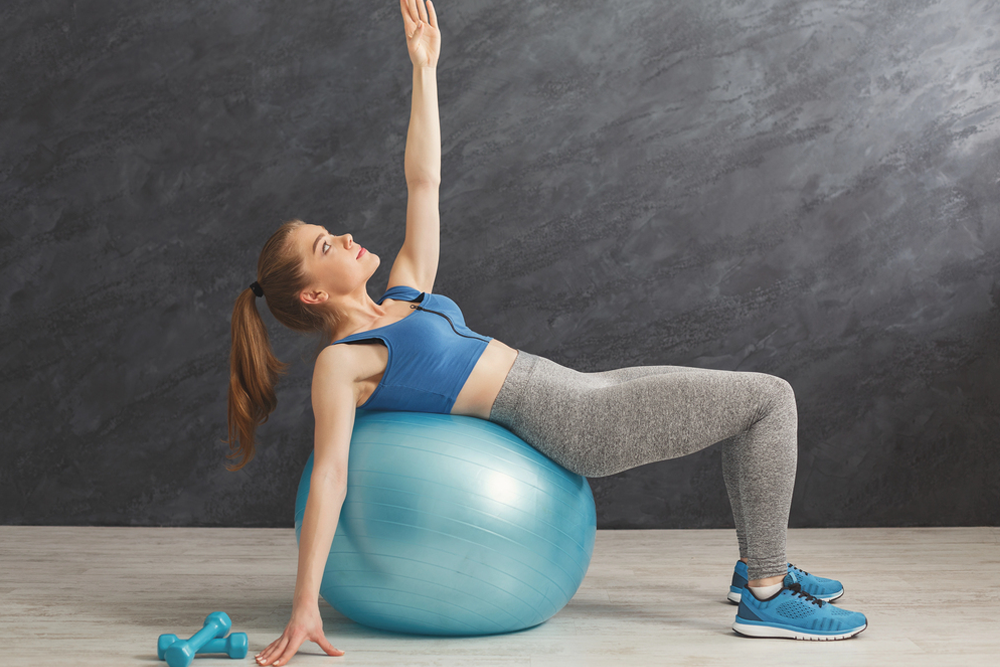
Acupuncture, Exercise & Athletic Recovery
You finish acupuncture in the afternoon and still have a run, lifting session, swim, tennis match or fitness class planned for later. Do you need to cancel it? For most people, there is no evidence-based rule requiring a full 24 hours without exercise after acupuncture. The better answer depends on why you were treated, what type of needling was performed, how you feel afterward and what the planned workout requires.
Can You Exercise After Acupuncture?
Often, yes. Light or moderate activity may be reasonable when you feel fully alert, the treated area is comfortable and there is no injury-related reason to restrict activity.
More demanding training may make sense to modify when the session included substantial dry needling, targeted trigger-point work, treatment of an acute injury or when the treated area is temporarily sore.
If you feel dizzy, faint, nauseated, unusually tired or physically unstable after treatment, wait until those symptoms have resolved before exercising or driving.
The decision should follow your condition and response to treatment, not a universal 24-hour clock.
Is There a Required 24-Hour Rest Period After Acupuncture?
Current research does not establish a universal period after acupuncture during which exercise must be avoided.
Acupuncture can be followed by relaxation, temporary local soreness, changes in pain or no noticeable immediate effect at all. These responses vary between patients and between treatments.
Normal Exercise Responses Do Not Automatically Undo Acupuncture
Exercise temporarily changes heart rate, blood pressure, stress hormones and many other physiological systems.
Those normal responses do not mean exercise biologically opposes acupuncture or reverses a treatment.
The more useful question is whether the activity is appropriate for the condition being treated and how your body feels that day.
What Does Research Say About Acupuncture and Exercise Recovery?
Research has examined acupuncture and dry needling in athletes, but it does not establish a single required waiting period before returning to exercise.
A randomized controlled study gave acupuncture to recreationally active adults shortly after maximal cycling exercise.
Overall physiological recovery measures did not significantly differ between real acupuncture, placebo acupuncture and no treatment.
A 2025 systematic review found results were generally more favorable for pain and muscle stiffness than for improving athletic performance.
Long-term outcomes, dosing and several athlete populations remain under-studied.
Athlete-focused research suggests possible short-term symptom changes after dry needling.
Consistent improvements in recovery, next-session readiness, athletic performance or injury prevention have not been firmly established.
A Mandatory 24-Hour Exercise Ban Is Not Supported
Current athlete research does not establish that every patient must avoid lifting, running, swimming, cycling or other exercise for the same fixed period after treatment.
Individual response and the underlying injury are more useful guides.
Does Acupuncture Affect Balance or Proprioception?
Proprioception is your sense of joint position and body movement. It plays an important role in lifting, running, jumping, cutting and other athletic movements.
Current clinical evidence does not establish that routine acupuncture predictably impairs proprioception enough to make normal exercise unsafe.
Use the Warm-Up as a Checkpoint
A patient may notice less pain, less muscle tension, temporary soreness or simply a different sensation in the treated area.
If the area feels unfamiliar, tender or uncomfortable, begin with a gradual warm-up before deciding whether heavier loading makes sense.
If symptoms increase as activity becomes more demanding, reduce the load or stop.
Does Exercise Cortisol Undo Acupuncture?
There is no good evidence that the normal rise in cortisol or adrenaline during demanding exercise reverses an acupuncture treatment.
Exercise involves normal temporary changes in hormones, cardiovascular activity and nervous-system signaling. Those responses are part of how the body handles physical activity.
Acupuncture research has explored pain modulation, autonomic activity and other physiological responses, but the mechanisms remain incompletely understood.
It is therefore more accurate to evaluate exercise based on the injury, treatment response and demands of the workout than to view exercise and acupuncture as competing biological states.
What About Qi and Exercise?
Traditional Chinese medicine may describe strenuous exercise using concepts involving Qi and Blood, while acupuncture treatment may be described as supporting or regulating Qi.
These concepts belong to the traditional clinical framework.
They should not be translated into a biomedical claim that exercise literally consumes energy that acupuncture had reserved for tissue repair.
Acupuncture and Dry Needling May Feel Different
Routine acupuncture and more targeted dry needling can produce different post-treatment sensations.
Some forms of dry needling involve more direct stimulation of symptomatic muscle tissue, and temporary local soreness can occur.
That does not mean the muscle has been deliberately damaged or that it requires a universal 24-hour period to repair itself before movement is safe.
| Situation | What You May Notice | Exercise Approach |
|---|---|---|
| Gentle acupuncture with no soreness | You feel normal, alert and comfortable. | Normal activity may be reasonable unless the underlying condition has specific restrictions. |
| Acupuncture for an orthopedic complaint | Symptoms may feel better, unchanged or mildly sore. | Follow the activity limits appropriate for the injury. |
| More targeted dry needling | Local tenderness or post-needling soreness may occur. | Modify loading if the treated muscle is temporarily uncomfortable. |
| Dizziness or faintness | Lightheadedness, sweating, nausea or weakness. | Do not exercise or drive until fully recovered. |
| Acute or significant injury | Swelling, weakness, instability or substantial pain may be present. | Injury restrictions matter more than the acupuncture session. |
How Do You Decide Whether to Work Out?
Instead of watching the clock, use a few practical checkpoints.
Are You Fully Alert and Steady?
Do not exercise if you feel faint, dizzy, nauseated, unusually weak or significantly drowsy. Needling can occasionally be associated with vasovagal reactions.
How Does the Treated Area Feel?
Mild local soreness can occur, particularly after targeted muscle work. If the area feels significantly irritated, a demanding workout may not be useful that day.
Why Were You Treated?
Someone receiving acupuncture for a headache is different from an athlete with an acute ankle injury, Achilles pain, shoulder injury or hamstring strain.
What Does the Workout Demand?
Walking, easy cycling, heavy squats, sprint intervals and maximal throwing place very different demands on the body.
Do You Have Medical or Rehabilitation Restrictions?
Restrictions from a physician, surgeon, physical therapist, athletic trainer or another clinician do not disappear because pain feels better after acupuncture.
Can You Lift Weights After Acupuncture?
There is no universal rule that weight training is unsafe after acupuncture.
If you feel normal and the workout does not conflict with the condition being treated, returning to training may be reasonable.
If dry needling was performed directly into a muscle you plan to load heavily and that muscle feels sore, reducing intensity, changing exercises or training a different region may be more comfortable.
A gradual warm-up can provide useful information. If the treated region becomes increasingly painful, weak or mechanically limited, reduce the load or stop.
Can You Run After Acupuncture?
Acupuncture itself does not automatically require a runner to take the day off.
The condition being treated may still require activity modification.
A runner with temporary calf tightness who feels comfortable during an easy warm-up is different from a runner being evaluated for focal shin pain, an acute hamstring injury or a suspected bone stress injury.
Acupuncture should not be used to reduce pain simply so an athlete can ignore signs of a potentially significant injury.
Can You Do CrossFit or HIIT After Acupuncture?
High-intensity exercise does not automatically cancel acupuncture because cortisol or adrenaline increases.
CrossFit and HIIT are simply demanding forms of training. If you feel normal and have no injury-related restriction, there is no established acupuncture-specific reason they must always be avoided for 24 hours.
If treatment involved extensive muscle needling, you are sore or you are rehabilitating an injury, modifying the workout may make more sense.
Can You Swim After Acupuncture?
There is no universal evidence-based requirement to avoid swimming for 24 hours after routine acupuncture.
If the shoulder, back or another area involved in swimming was treated because of an injury, use the activity guidance appropriate for that condition.
If a needle site is actively bleeding or significantly irritated, allow it to settle before entering the pool.
What About Hot Yoga or a Sauna?
Hot yoga and sauna use do not cause acupuncture toxins to move through the body. Acupuncture and massage also do not require sweating to flush lactic acid or uric acid.
The practical concern is heat. Hot environments and exercise can contribute to dehydration and lightheadedness.
If treatment already left you dizzy, faint or nauseated, wait until you feel normal before adding a hot environment.
If you feel completely well, there is no established universal 24-hour heat restriction specific to acupuncture.
Does Dry Needling Create Muscle Damage That Must Heal First?
A dry needle mechanically penetrates tissue, and some dry-needling techniques involve repeated stimulation of a muscle or trigger point.
Temporary soreness can occur.
That does not mean dry needling intentionally creates substantial muscle damage that must repair itself before the person can safely move again.
Athlete research has generally been more encouraging for short-term pain and stiffness than for consistent improvements in athletic performance or recovery.
Post-Treatment Soreness Is Not the Same as a Heavy Training Session
Patients sometimes compare post-needling soreness to the way a muscle feels after exercise.
That description may help explain the sensation, but it does not establish that dry needling creates the same physiological process as delayed-onset muscle soreness after strenuous training.
Mild temporary soreness can occur. Significant or increasing pain deserves reassessment.
Does Acupuncture Lower Blood Pressure or Blood Sugar Enough to Make Exercise Unsafe?
Routine acupuncture should not be assumed to predictably lower blood pressure or blood sugar enough to make post-treatment exercise unsafe in otherwise stable patients.
Dizziness and vasovagal reactions can occur after needling, however, and those symptoms matter regardless of their exact mechanism.
If you feel lightheaded, sweaty, nauseated, faint or weak, sit or lie down, tell the practitioner and delay exercise until you have fully recovered.
Patients with diabetes, cardiovascular disease, blood-pressure disorders or medication-related concerns should continue following the guidance of the healthcare professionals managing those conditions.
How Much Water Do You Need After Acupuncture?
Normal hydration is enough for most people.
There is no acupuncture-specific need to drink half your body weight in ounces of water.
You also do not need large amounts of fluid to flush lactic acid, uric acid or toxins released by needling.
Drink according to thirst, exercise demands, weather and any medical guidance that applies to you.
Excessive fluid intake is not automatically better, particularly for people with kidney, heart or fluid-balance conditions.
Pain Relief Does Not Automatically Mean You Are Ready to Compete
This distinction is especially important for athletes.
Pain can improve before strength, load tolerance, stability or tissue capacity has fully returned.
If acupuncture decreases pain, that should not automatically be interpreted as proof that an athlete is ready for maximal sprinting, throwing, jumping, lifting or competition.
Our broader acupuncture for sports injuries guide explains why return-to-sport decisions should include function and the underlying injury, not pain alone.
Do Not Exercise Through These Symptoms
- Significant trauma with deformity or inability to use a limb normally
- Sudden major weakness after a pop or injury
- Inability to bear weight
- Rapid or substantial swelling
- Focal bone pain during impact activity
- Progressive numbness, tingling or weakness
- New foot drop or another significant neurological change
- Chest pain or difficulty breathing
- Fever with increasing redness, warmth or swelling
A Practical Same-Day Training Guide
Normal or Easy Activity
- You feel fully alert and steady.
- There is no meaningful post-needling soreness.
- There is no acute injury restriction.
- Movement feels normal during warm-up.
- The treatment was relatively gentle.
Reduce the Load
- There is local soreness after dry needling.
- The muscle you plan to train was treated intensively.
- You are recovering from an orthopedic injury.
- The warm-up increases symptoms.
- The treated area feels unusually sensitive.
Wait or Get Evaluated
- Dizziness or faintness
- Significant nausea or weakness
- Severe or increasing pain
- Major injury warning signs
- Medical or rehabilitation restrictions prohibit activity
What If You Feel Better Immediately After Acupuncture?
That can be encouraging, but less pain does not necessarily mean the underlying condition has resolved.
If an injured shoulder, knee, Achilles tendon or back suddenly feels better, avoid treating that improvement as proof that maximal loading is now appropriate.
Reassess movement, strength, symptoms and the demands of the sport.
Messina Acupuncture PC is an orthopedic-focused acupuncture practice in East Setauket serving Stony Brook, Port Jefferson, the Three Village community and patients throughout Long Island’s North Shore.
Care is led by Daniel Messina, MSOM, L.Ac., a New York State Licensed Acupuncturist and NCCAOM Board-Certified Diplomate. The practice has served the local community since 2016.
Athletes may be evaluated using pain, range of motion, muscle guarding and functional movement to determine whether acupuncture, dry needling, electroacupuncture, medical massage or another care pathway may be appropriate.
Frequently Asked Questions About Exercise After Acupuncture
How long should I wait to exercise after acupuncture?
There is no universal evidence-based 12- or 24-hour waiting period. Timing depends on why you were treated, treatment intensity, temporary soreness, the underlying injury and how you feel afterward.
Can I lift weights after acupuncture?
Weight training may be reasonable if you feel normal and the underlying condition does not restrict lifting. Consider modifying the session when targeted dry needling leaves the muscle temporarily sore or lifting aggravates the injury being treated.
Can I run after acupuncture?
Acupuncture itself does not automatically require runners to take the day off. Base the decision on the condition being treated, symptoms during warm-up and whether running is appropriate for the underlying injury.
Can I do CrossFit or HIIT after acupuncture?
There is no evidence that the normal cortisol or adrenaline response from intense exercise automatically cancels acupuncture. If you feel normal and have no injury-related restriction, there is no universal acupuncture-specific ban.
Should I rest after dry needling?
Temporary local soreness can occur after dry needling. If the treated muscle is uncomfortable, reducing or modifying heavy loading may make sense. A mandatory 24-hour rest period has not been established for every patient.
Does dry needling damage the muscle?
Dry needling mechanically penetrates muscle or related soft tissue, but it should not be described as intentionally creating substantial muscle damage that must repair itself before normal movement can resume.
Can I swim after acupuncture?
There is no universal 24-hour swimming restriction after routine acupuncture. If the area being used for swimming is injured, follow the activity guidance for that condition. Allow an actively bleeding or significantly irritated needle site to settle first.
Can I use a sauna after acupuncture?
There is no evidence-based universal 24-hour sauna ban. Heat can contribute to dehydration or lightheadedness, so avoid a sauna or hot workout if you already feel dizzy, faint or unwell after treatment.
Does acupuncture change my balance or proprioception?
Current evidence does not establish that routine acupuncture predictably impairs proprioception enough to make exercise unsafe. If you feel physically different after treatment, use a gradual warm-up before heavy loading.
Is it okay to exercise if acupuncture made my injury feel better?
Less pain does not necessarily mean an injured structure has fully recovered. Return to sport should also consider strength, function, movement tolerance, stability and the underlying diagnosis.
Your Training Plan Should Fit the Injury, Not a 24-Hour Rule
If running, lifting, swimming, cycling, golf, tennis, pickleball or another activity is bringing on recurring pain, Messina Acupuncture PC can assess the pattern and discuss how acupuncture, dry needling, medical massage or another care pathway may fit around your training.
Sources and Further Reading
- National Center for Complementary and Integrative Health: Acupuncture Effectiveness and Safety
- Sports Medicine: Systematic Review of Dry Needling in Sports and Sport Recovery
- Critical Appraisal: Dry Needling and Post-Training Recovery
- Randomized Controlled Trial: Acupuncture and Physiological Recovery From Maximal Exercise
- Acupuncture in Sports Medicine