
Acupuncture for Stress & Anxiety in East Setauket, NY
Stress and anxiety can affect concentration, sleep, muscle tension, headaches, jaw symptoms and everyday function. Acupuncture may be considered as complementary care for selected patients, but it does not replace psychotherapy, psychiatric care, medication or medical evaluation when those are needed.
100 N Country Road, East Setauket, NY 11733
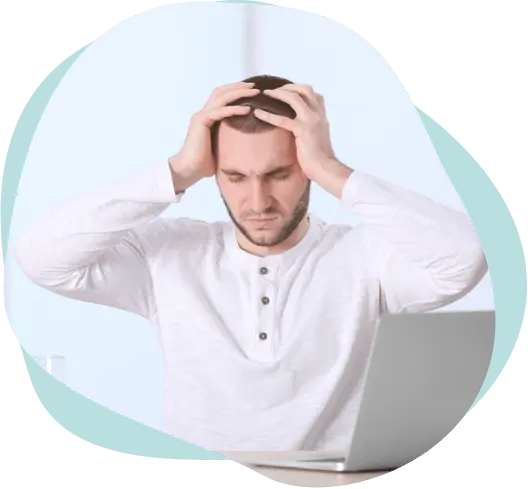
Stress and an Anxiety Disorder Are Not the Same Thing
Feeling worried, tense or overwhelmed during a difficult period is not automatically an anxiety disorder.
Stress Often Has an Identifiable Demand. Anxiety May Persist Beyond It.
Stress can arise during work pressure, caregiving, illness, family changes, financial difficulty, grief or another challenging situation.
Anxiety disorders involve more persistent or excessive fear or worry that can interfere with work, relationships and ordinary daily activities. Diagnosing an anxiety disorder belongs with an appropriately qualified medical or mental-health professional.
When Life Is Demanding
Workload, caregiving, relationship changes, loss, health concerns and other stressors can temporarily affect sleep, focus and physical comfort.
Worry That Is Hard to Control
Persistent, difficult-to-control worry that interferes with everyday function deserves evaluation rather than being dismissed as ordinary stress.
The Body Can Be Part of the Picture
Anxiety and stress can occur alongside muscle tension, sleep difficulty, headaches, gastrointestinal symptoms and changes in breathing or heart rate.
These symptoms can also have non-anxiety causes.
Physical Symptoms Should Not Automatically Be Blamed on Anxiety
New chest pain, persistent shortness of breath, fainting, significant palpitations, neurological symptoms or other concerning physical changes deserve appropriate medical evaluation.
A previous history of anxiety does not mean every new physical symptom is anxiety-related.
Stress and Anxiety Can Show Up in Different Ways
These are examples of symptoms that may overlap with stress or anxiety. They are not a way to diagnose yourself online.
Difficulty Turning Off Worry
- Persistent worry
- Difficulty concentrating
- Feeling keyed up or restless
- Difficulty relaxing
Trouble Settling at Night
- Difficulty falling asleep
- Waking during the night
- Sleep affected by worry
- Feeling tired after poor sleep
Persistent insomnia deserves its own evaluation.
Neck, Shoulder or Jaw Symptoms
- Shoulder guarding
- Neck discomfort
- Jaw clenching
- Temple or facial tension
Head Pain During Stressful Periods
Stress may influence headache burden in some people, but recurring headaches still need to be characterized appropriately.
Sudden Intense Physical Symptoms
Panic attacks can include racing heart, trembling, sweating, shortness of breath and intense fear.
New, severe or atypical chest or breathing symptoms should not automatically be assumed to be panic.
When Symptoms Start Changing Your Life
Avoiding activities, struggling at work, withdrawing socially or being unable to manage ordinary responsibilities are reasons to discuss symptoms with a qualified mental-health or medical professional.
What Do We Actually Know About Acupuncture and Anxiety?
Research is encouraging, particularly for generalized anxiety disorder, but the evidence is not strong enough to position acupuncture as a replacement for established anxiety treatment.
Newer Studies Are Positive, but Certainty Remains Limited
A 2025 systematic review included 41 randomized trials and 3,209 participants with generalized anxiety disorder. The pooled results favored acupuncture for anxiety symptom scores in several comparisons.
However, most included trials had some risk-of-bias concerns, 39 of the 41 studies were published in Chinese, and the authors rated the certainty of evidence for the primary anxiety outcome as low or very low.
Randomized Trials
The 2025 systematic review included 41 RCTs involving 3,209 participants.
Sham-Controlled Trials
A separate 2025 meta-analysis included 14 randomized trials comparing acupuncture with sham acupuncture.
Certainty Remains Limited
The sham-controlled review reported high heterogeneity and low-to-very-low certainty for patient-reported outcomes.
NCCIH takes a similarly cautious position. It notes that some studies suggest acupuncture may reduce anxiety symptoms, but higher-quality and larger studies are still needed before firm conclusions can be reached.
Promising Does Not Mean Proven First-Line Treatment
Acupuncture may be reasonable as complementary care for some patients, including people who are already participating in psychotherapy or receiving medical treatment.
It should not be presented as curing anxiety, eliminating panic disorder, resetting the nervous system or replacing evidence-based mental-health care.
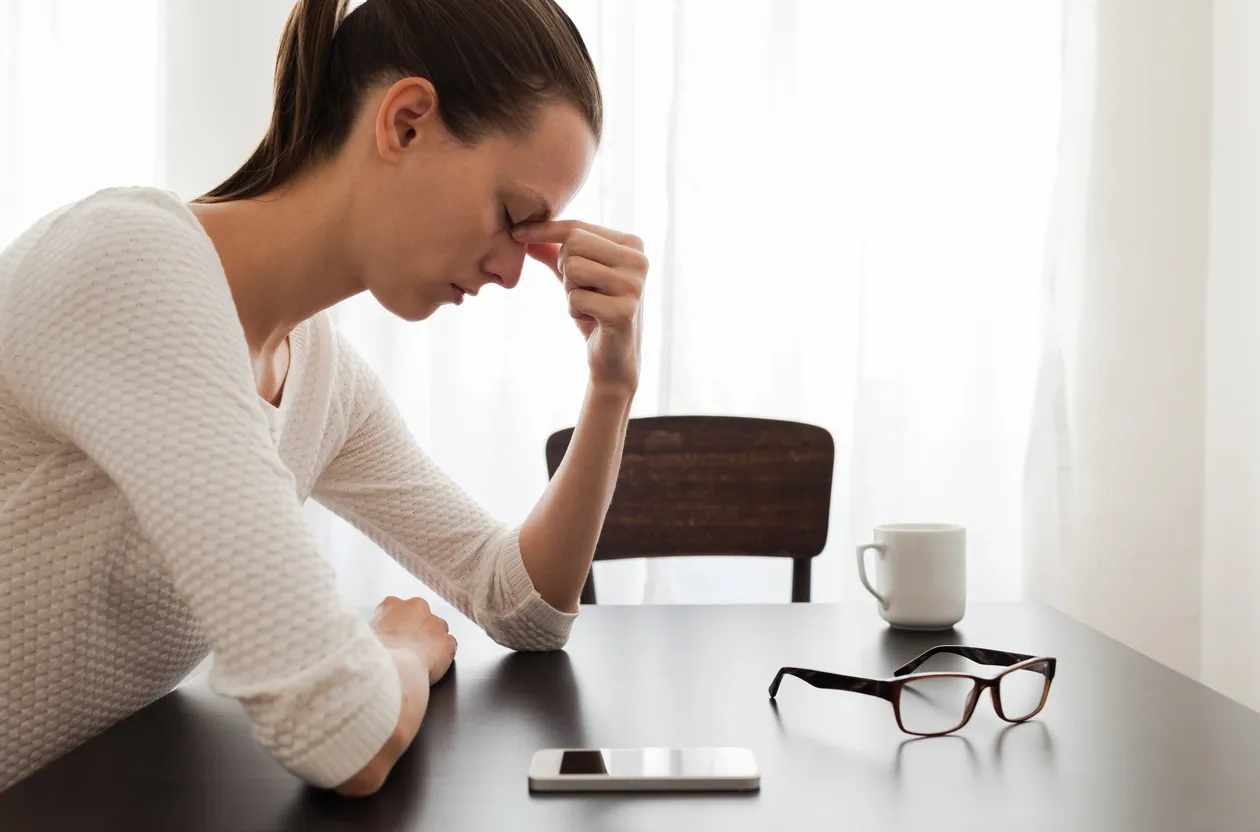
Head, Neck and Jaw Tension Can Overlap With Stress
Some people notice more jaw clenching, headache, neck discomfort or muscle guarding during stressful periods.
That relationship can be clinically relevant, but it does not mean anxiety is automatically the cause of every musculoskeletal symptom.
If the primary complaint is pain or restricted movement, the orthopedic symptom should still be evaluated on its own terms.
Acupuncture Should Fit Around Effective Mental-Health Care
For diagnosed anxiety disorders, psychotherapy, medication or a combination are established treatment options.
CBT and Other Evidence-Based Therapy
NIMH describes cognitive behavioral therapy, or CBT, as a well-studied psychotherapy commonly used for generalized anxiety disorder.
Other approaches, including acceptance and commitment therapy, may also be appropriate.
Physician-Directed Treatment
Depending on the condition, clinicians may use SSRIs, SNRIs, buspirone or other medications.
Medication changes should be handled by the prescribing clinician.
Sleep, Activity and Stress Management
Exercise, adequate sleep, mindfulness and reducing excess caffeine may support anxiety management when appropriate.
These strategies do not replace treatment when an anxiety disorder requires professional care.
You Do Not Need to Choose Between Acupuncture and Your Existing Care
Patients may continue psychotherapy, primary care, psychiatric care and prescribed medication while receiving acupuncture when it is appropriate for them.
Messina Acupuncture PC does not advise patients to discontinue psychiatric medication or replace their mental-health professional with acupuncture.
Complementary Care Should Match the Patient
The decision to use acupuncture or another service should follow the patient's symptoms, comfort, medical history and goals.
Complementary Needle-Based Care
Acupuncture may be considered for selected patients experiencing stress or anxiety symptoms as part of a broader care plan.
A Needle-Free Option
Patients who are uncomfortable with needles may prefer to begin with manual pressure at selected points.
When Muscle Discomfort Is Part of the Complaint
Massage may be considered when neck, shoulder or other muscle discomfort is a separate musculoskeletal concern.
What to Expect During a Stress or Anxiety-Focused Visit
Your first visit is 75 minutes. Care begins with understanding what you are experiencing and whether acupuncture is an appropriate complement to the rest of your care.
Review Your Symptoms and Goals
We discuss stressors, sleep, physical tension, headaches, jaw symptoms, current medical care and what you hope to improve.
Review Medications and Mental-Health Care
Tell us about prescribed medication, psychotherapy, psychiatric care and other treatment you are already using.
Check for Medical or Mental-Health Boundaries
Symptoms suggesting a medical problem, psychiatric crisis or need for more specialized care should be addressed through the appropriate healthcare pathway.
Choose a Comfortable Treatment Approach
If acupuncture is appropriate, treatment can be kept gentle and individualized. Patients who prefer not to start with needles may discuss acupressure.
Reassess What Actually Matters
Useful measures can include symptom frequency, sleep quality, physical tension and how symptoms are affecting work, relationships and daily activity.
There Is No Universal Anxiety Acupuncture Schedule
Follow-up visits are generally 45 to 60 minutes. Research protocols vary widely in treatment frequency, point selection and duration.
A research protocol should not be converted into a promise that every patient needs a fixed number of sessions or should notice a particular change after the first few visits.
Know When Acupuncture Is Not the Right First Step
Anxiety symptoms can be distressing, and some situations require immediate mental-health or medical care.
If You Are in Crisis, Use Crisis Care Now
If you are thinking about suicide or harming yourself, feel unable to keep yourself safe or are experiencing an acute mental-health crisis, acupuncture is not the appropriate first step.
Do Not Assume New Chest or Breathing Symptoms Are Anxiety
New or severe chest pain, persistent difficulty breathing, fainting, significant heart-rhythm symptoms, new neurological symptoms or another concerning physical change may require urgent medical evaluation.
A person can have anxiety and a separate medical condition at the same time.
Some Symptoms Need Psychiatric or Psychological Care
Severe depression, mania, psychosis, significant substance-related symptoms, frequent disabling panic attacks or anxiety that is substantially disrupting daily function should be addressed with an appropriate mental-health professional.
Acupuncture may sometimes be used complementarily, but it should not delay evidence-based treatment.
Stress Can Overlap With Pain, Headache and Jaw Symptoms
Use the condition page that best matches the primary symptom rather than assuming stress explains everything.
Have Questions About Insurance?
Acupuncture benefits vary by individual plan, diagnosis and available coverage. Contact the office with your insurance information and the team can help verify available benefits.
Questions Patients Ask Before Scheduling
Can acupuncture help anxiety?
Some research suggests acupuncture may reduce anxiety symptoms in selected patients, including people with generalized anxiety disorder. However, NCCIH considers the overall evidence limited, and recent reviews rate much of the evidence as low or very low certainty. Acupuncture is best considered complementary care, not a replacement for established treatment.
Is acupuncture a treatment for generalized anxiety disorder?
Acupuncture has been studied in people diagnosed with generalized anxiety disorder, and newer reviews have reported promising results. Psychotherapy, medication or both remain established treatments for GAD. Acupuncture may be considered as an adjunct when appropriate.
Can acupuncture replace my therapist?
No. Acupuncture does not replace psychotherapy or the work of a qualified mental-health professional. It can sometimes be used alongside therapy as complementary care.
Can I receive acupuncture while taking anxiety medication?
Acupuncture can often be used alongside prescribed medication. Tell your acupuncturist what medications you take, and do not stop or change psychiatric medication without speaking with the prescribing clinician.
Can acupuncture stop panic attacks?
Acupuncture should not be promised as a treatment that stops or eliminates panic attacks. Panic disorder has established treatments, including psychotherapy and medication. Patients with recurrent or disabling panic symptoms should discuss them with an appropriate healthcare professional.
Can acupuncture help me sleep when stress is keeping me awake?
Sleep may improve for some patients, but acupuncture should not be presented as a guaranteed treatment for stress-related insomnia. Persistent sleep problems deserve appropriate evaluation, particularly when they are severe or long-lasting.
What if I am nervous about acupuncture needles?
Tell the practitioner. Treatment can be discussed before anything is started. Patients who do not want to begin with needles may also ask whether acupressure is appropriate.
How many visits will I need?
There is no universal treatment count for stress or anxiety symptoms. Research studies use widely different treatment schedules. Frequency should be individualized according to the patient's goals, other care and response.
When should chest tightness or shortness of breath be medically evaluated?
New, severe or unexplained chest pain, significant breathing difficulty, fainting or other concerning physical symptoms should receive appropriate medical evaluation rather than automatically being attributed to anxiety.
What should I do if I am in a mental-health crisis?
If you are thinking about suicide or harming yourself, feel unable to stay safe or are in acute crisis, call or text 988 in the United States. If there is immediate physical danger, call 911 or go to the nearest emergency department.
Start With What Stress or Anxiety Is Affecting in Your Daily Life
If stress or anxiety symptoms are occurring alongside physical tension, headaches, jaw discomfort, sleep disruption or difficulty relaxing, Messina Acupuncture PC can discuss whether acupuncture may be an appropriate complementary part of your broader healthcare plan.
Sources and Further Reading
- National Center for Complementary and Integrative Health: Anxiety and Complementary Health Approaches
- National Institute of Mental Health: Generalized Anxiety Disorder
- National Institute of Mental Health: I’m So Stressed Out
- NICE: Generalised Anxiety Disorder and Panic Disorder in Adults
- 2025 Systematic Review: Acupuncture for Generalized Anxiety Disorder
- 2025 Sham-Controlled Meta-Analysis: Acupuncture and Generalized Anxiety Disorder
- NCCIH: Acupuncture Effectiveness and Safety
- 988 Suicide & Crisis Lifeline