

Acupuncture Safety in East Setauket, NY
If you are considering acupuncture for the first time, it is reasonable to ask what can happen afterward. Minor soreness, a small bruise, or a tiny amount of bleeding can occur. Serious complications are rare, but they are not impossible, which is why practitioner training, anatomy, sterile single-use needles, and a thorough health history matter.
Is Acupuncture Safe?
Acupuncture is generally considered a relatively safe procedure when performed appropriately by a qualified practitioner. Most reported adverse events are mild and temporary.
Serious complications such as pneumothorax, infection, organ injury, nerve injury, or retained or broken needles are uncommon, but patients should know the warning signs.
At Messina Acupuncture PC, acupuncture is performed using sterile, single-use needles, and treatment is adjusted according to the patient’s health history, medications, anatomy, condition, and the area being treated.
How Common Are Acupuncture Side Effects?
One of the largest modern safety reviews was published in BMJ Open in 2021. It analyzed prospective studies specifically designed to track acupuncture-related adverse events.
Those percentages need context. Definitions of an adverse event varied considerably between studies, and roughly half of reported events were bleeding, pain, or a local symptom flare at the needle site.
The same review estimated serious adverse events at approximately 1 per 10,000 patients and about 8 per one million individual treatments, although there was substantial variation across studies.
What More Recent Safety Research Shows
A 2024 review of acupuncture adverse-event research similarly concluded that serious events are rare, estimating approximately 0.04 to 0.08 serious events per 10,000 treatments.
Common minor events included bruising, small hematomas, local bleeding, residual soreness, tiredness, dizziness, and vasovagal reactions.
Rare serious events included pneumothorax, nerve injury, organ injury, infection, cardiac injury, and needle breakage.
Common Minor Reactions After Acupuncture
Minor reactions do not occur after every appointment, and patients can respond differently from one visit to another. The following are among the more commonly reported effects.
Mild Soreness
A needled area may feel temporarily tender or achy afterward. This can be more noticeable after treatment involving sensitive or guarded muscle tissue.
Mild soreness generally settles on its own. Increasing or severe pain should be discussed with your practitioner.
Small Bruise or Minor Bleeding
A needle can occasionally contact a small superficial blood vessel, resulting in a tiny drop of blood or a small bruise.
Patients who bruise easily or take medications that affect clotting should mention that before treatment.
Dizziness or Feeling Faint
Needles can occasionally trigger a vasovagal reaction, which may cause light-headedness, sweating, nausea, or faintness.
Tell your practitioner immediately if you feel dizzy, clammy, nauseated, or faint during treatment.
Tiredness
Some patients report feeling tired after acupuncture. Fatigue is a reported minor reaction, but it should not be interpreted as proof that the nervous system has entered a specific physiological state.
Temporary Local Sensitivity
A point can occasionally remain sensitive for a short period after the needle has been removed. Persistent burning, severe pain, progressive numbness, or weakness is different and should be reported.
Short-Term Symptom Fluctuation
Some studies report temporary symptom flare after treatment. That can happen, but worsening symptoms should not automatically be labeled a positive sign that treatment is “working.”
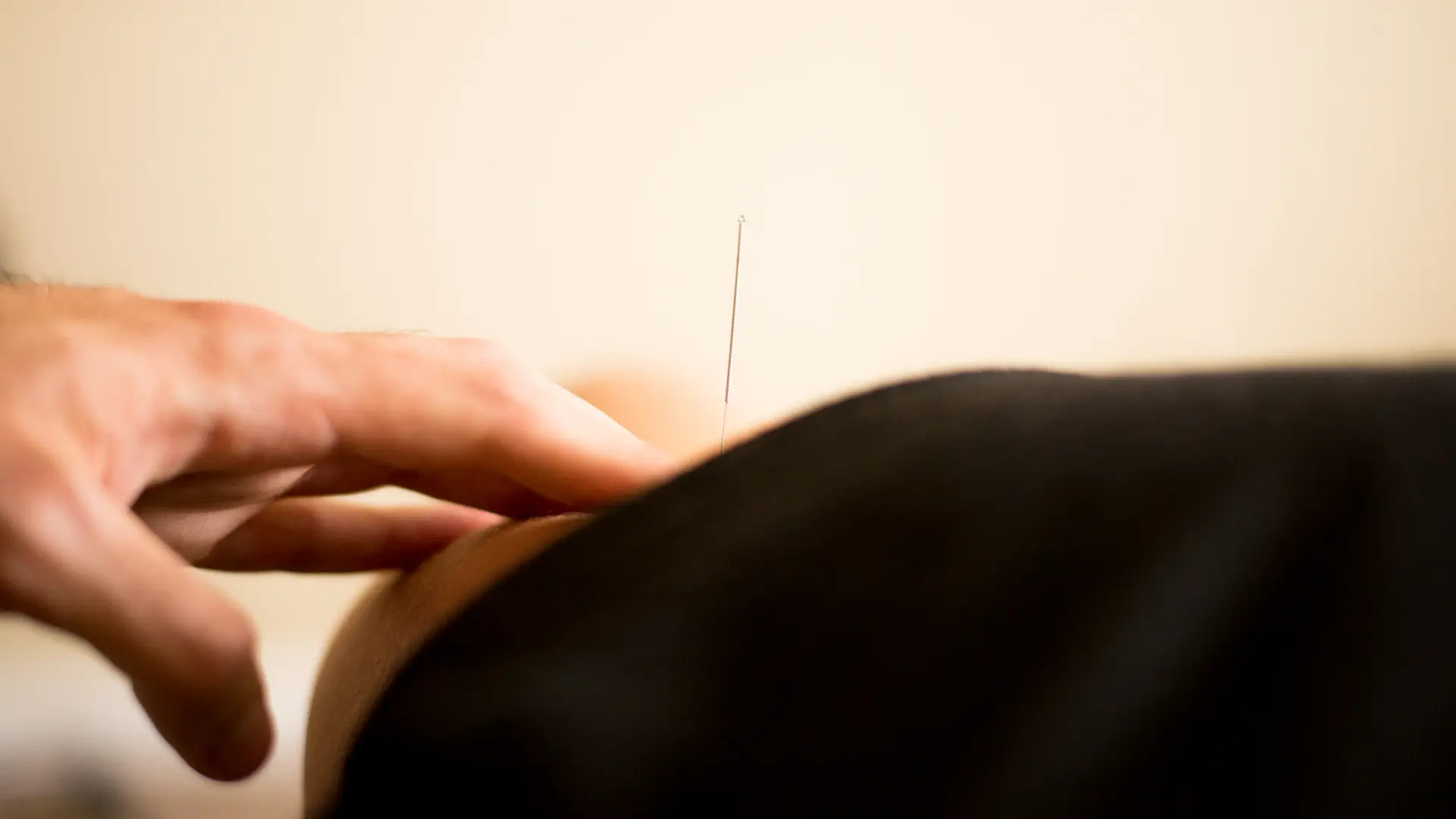
Is Feeling Tired After Acupuncture a Sign That It Worked?
Not necessarily.
Tiredness and relaxation are both reported after acupuncture, but a patient’s subjective feeling cannot be used to confirm a specific autonomic or neurological response.
Saying that fatigue proves your body has switched from “fight or flight” into a parasympathetic state goes beyond what we can reliably determine from how someone feels after a session.
If you feel pleasantly relaxed, that is a valid experience. If you feel unusually weak, persistently dizzy, confused, or otherwise unwell, tell your practitioner rather than assuming it is a desirable treatment reaction.
What About a “Healing Crisis” After Acupuncture?
Worsening Symptoms Are Not Proof of Healing
The phrase “healing crisis” is sometimes used in alternative health settings to describe symptoms becoming worse before they improve.
It is not a useful medical explanation for a significant increase in pain or other symptoms after acupuncture.
A temporary local flare can occur after needling, especially in a sensitive area. But new, severe, progressive, or persistent symptoms should be evaluated rather than reassured away as part of the healing process.
Can Acupuncture Cause an Emotional Reaction?
Someone may feel relaxed, emotional, anxious, tearful, or simply quiet during or after any healthcare encounter. That experience is real, but it does not establish that a needle released an emotion stored in a particular organ or meridian.
Traditional Chinese medicine has historical frameworks linking emotions with organ systems. Those ideas can be discussed as traditional theory, but they should not be presented as a biomedical explanation for crying, laughter, or mood changes after acupuncture.
Significant or persistent changes in mood, anxiety, depression, or mental status deserve appropriate medical or mental-health evaluation.
Rare but Serious Acupuncture Complications
Serious complications are uncommon, but informed consent should include an honest discussion that rare risk is not the same as zero risk.
Pneumothorax
Pneumothorax occurs when air enters the space around a lung. In acupuncture, this can occur if a needle penetrates too deeply in an anatomically vulnerable area.
New shortness of breath or significant chest pain after chest, upper-back, shoulder, or thoracic needling requires prompt medical evaluation.
Skin or Deeper Infection
Modern single-use sterile needles greatly reduce needle-related infection risk, but no procedure that breaks the skin can be described as having absolutely zero infection risk.
Increasing redness, warmth, swelling, drainage, or fever after treatment should be medically evaluated.
Organ or Tissue Injury
Improper depth, direction, or technique can injure structures beneath the skin. Anatomical training and appropriate needle depth are important components of safe needling.
Nerve Injury
Serious nerve injury is rare. New progressive weakness, substantial loss of sensation, or another major neurological change after treatment should be evaluated promptly.
How Does Practitioner Training Affect Safety?
Safe acupuncture involves more than opening a sterile needle. The practitioner also needs appropriate education in anatomy, needle depth and direction, patient screening, contraindications, infection control, and recognition of adverse reactions.
Acupuncture Is a Licensed Healthcare Profession
New York State identifies an acupuncturist as a licensed healthcare professional and states that only a licensed acupuncturist or an appropriately certified physician or dentist may provide acupuncture services.
The state also describes single-use, pre-sterilized disposable needles as the preferred standard of practice.
Patients can verify a practitioner’s current New York registration through the Office of the Professions.
Why Single-Use Sterile Needles Matter
The U.S. Food and Drug Administration regulates acupuncture needles as Class II medical devices.
Acupuncture needles marketed for standard use in the United States are labeled sterile and for single use. A needle should not be reused from one patient to another or saved for a later appointment.
At Messina Acupuncture PC, acupuncture is performed with sterile, single-use needles.
View the FDA classification for single-use acupuncture needles
Pregnancy, Blood Thinners and Implanted Devices
These situations do not automatically mean a patient can never receive acupuncture, but they belong in the health history before treatment begins.
Tell Your Practitioner If You Are Pregnant
A systematic review of acupuncture during pregnancy found few acupuncture-related adverse events when treatment was correctly applied, with reported related events generally mild or moderate.
Pregnancy still requires appropriate point selection, positioning, technique, and coordination with obstetric care when medically appropriate.
Blood-Thinning Medication
Warfarin, direct oral anticoagulants, heparin, antiplatelet medication, bleeding disorders, and other clotting concerns should be disclosed.
Research suggests acupuncture can often be performed safely in anticoagulated patients when needling depth and location are appropriate, but some data also show increased risk of minor bleeding with anticoagulants.
Do not stop anticoagulant medication for acupuncture unless the clinician managing that medication tells you to.
Pacemakers and Implanted Electronics
Tell your practitioner about pacemakers, implanted defibrillators, neurostimulators, insulin pumps, or other implanted electronic devices.
This information is particularly important before electroacupuncture, which uses electrical stimulation through selected needles. Manual acupuncture and electroacupuncture are not the same exposure.
Tell Us About Recent Procedures and Medical Conditions
Recent surgery, active infection, impaired healing, significant immune suppression, bleeding disorders, altered sensation, fainting history, or other relevant medical conditions may change how treatment is planned.
What Should You Tell Your Acupuncturist Before Treatment?
Share Your Medication List
Include prescription medications, anticoagulants, antiplatelet drugs, supplements, and recent medication changes.
Mention Pregnancy or Possible Pregnancy
Pregnancy may affect point selection, positioning, and which modalities are appropriate.
Disclose Implanted Devices
Pacemakers and other electronic implants are particularly relevant when electrical stimulation is being considered.
Tell Us If You Tend to Faint With Needles
A history of vasovagal reactions, fainting with injections or blood draws, or significant needle anxiety is useful information. Treatment position and technique can be adjusted.
Mention New or Concerning Symptoms
Acupuncture should not be used to bypass evaluation of major trauma, unexplained weakness, fever, chest pain, progressive neurological symptoms, or another potentially urgent medical problem.
After Acupuncture: What Is Normal and When Should You Get Help?
There is no perfect time cutoff that separates every harmless reaction from every complication. Severity, progression, and the type of symptom matter more than an arbitrary 24- or 48-hour rule.
Monitor at Home
- Small bruise
- Tiny amount of needle-site bleeding that stops
- Mild localized tenderness
- Temporary tiredness
- Brief mild light-headedness that fully resolves
Tell Your Practitioner
- Pain that is increasing rather than settling
- Large or expanding bruising
- Persistent dizziness or nausea
- Bleeding that is difficult to stop
- New symptoms that concern you after treatment
Do Not Wait for Your Next Appointment
- New shortness of breath
- Significant or sharp chest pain
- Difficulty breathing
- Severe or progressive weakness or numbness
- Fever with spreading redness, warmth, swelling, or drainage
- Loss of consciousness or another severe reaction
Chest Symptoms After Thoracic Needling Need Prompt Attention
Pneumothorax is rare, but it is one complication where waiting to see whether symptoms disappear is not appropriate.
New shortness of breath, difficulty breathing, or meaningful chest pain after acupuncture around the chest, upper back, shoulder, or nearby areas warrants prompt medical assessment.
Should Acupuncture Safety Be Compared Directly With Pain Medication?
Not as a simple percentage comparison.
Acupuncture, NSAIDs, acetaminophen, prescription medications, injections, physical therapy, and other treatments have different indications and different types of risk.
A minor bruising rate from acupuncture cannot be directly compared with gastrointestinal, kidney, cardiovascular, dependency, sedation, or other medication risks as though the percentages measure the same thing.
The safer message is that acupuncture has a generally favorable safety profile when appropriately performed, while medication decisions should remain between the patient and the clinician managing those medications.
Do not stop prescribed medication because acupuncture appears to have fewer adverse effects in a particular study.
Choosing an Acupuncturist in New York
Patients should feel comfortable asking a practitioner straightforward safety questions.
Are You Licensed in New York?
New York State provides an online license-verification system. A current registration can be checked through the Office of the Professions.
Are the Needles Sterile and Single Use?
Patients should receive a clear answer. Needles should be sterile and intended for a single use.
Do You Review My Medical History?
Medication, pregnancy, implanted devices, recent surgery, bleeding concerns, and other relevant conditions should be discussed before treatment.
Will You Tell Me When Acupuncture Is Not the Right First Step?
A safe practitioner should recognize symptoms that require medical evaluation, imaging, emergency care, rehabilitation, or another healthcare professional.
Care at Messina Acupuncture PC is led by Daniel Messina, MSOM, L.Ac., a New York State Licensed Acupuncturist and NCCAOM Board-Certified Diplomate.
Messina Acupuncture PC has served East Setauket and Long Island’s North Shore since 2016, with an orthopedic and musculoskeletal focus.
Learn more about acupuncture at Messina Acupuncture PC or meet the clinical team .
Frequently Asked Questions About Acupuncture Side Effects
What are the most common acupuncture side effects?
Common minor reactions can include temporary needle-site soreness, small bruises, minor bleeding, tiredness, dizziness, or brief vasovagal symptoms. Most reported acupuncture adverse events are mild.
Is it normal to feel sore after acupuncture?
Mild temporary tenderness around a needled area can occur. Severe, increasing, persistent, burning, or neurologic pain should not simply be assumed to be normal and should be reported to the practitioner.
Is fatigue after acupuncture a good sign?
Some patients feel tired or relaxed after acupuncture, but fatigue does not prove that the treatment has activated a particular nervous-system response or that it is working. Significant or persistent weakness or dizziness should be reported.
Is a “healing crisis” normal after acupuncture?
We do not recommend using the term “healing crisis” to explain worsening symptoms. Temporary soreness or symptom fluctuation can occur, but severe, progressive, or persistent symptoms should be evaluated rather than assumed to represent healing.
Can acupuncture cause a collapsed lung?
Pneumothorax is a rare but recognized acupuncture complication when a needle penetrates the chest cavity. New chest pain, shortness of breath, or difficulty breathing after needling around the chest or upper back requires prompt medical evaluation.
Can acupuncture cause an infection?
Infection is uncommon when proper infection-control practices and sterile single-use needles are used, but no procedure that penetrates the skin has zero infection risk. Increasing redness, warmth, swelling, drainage, or fever should be evaluated.
Is acupuncture safe if I take blood thinners?
Research suggests acupuncture can often be performed safely in patients taking anticoagulants when appropriate needling location and depth are used, although minor bleeding or bruising risk may be higher. Tell the practitioner what you take and do not stop anticoagulant medication without medical guidance.
Is acupuncture safe during pregnancy?
Research suggests acupuncture during pregnancy is associated with relatively few adverse events when correctly performed. Pregnancy should always be disclosed so treatment, positioning, and point selection can be adjusted appropriately and coordinated with obstetric care when needed.
Are acupuncture needles reused?
They should not be. Acupuncture needles used for standard U.S. clinical practice are regulated medical devices labeled sterile and for single use. Messina Acupuncture PC uses sterile, single-use needles.
Have Questions Before Your First Acupuncture Visit?
If you are considering acupuncture and have questions about medications, previous procedures, needle sensitivity, bleeding risk, pregnancy, implanted devices, or what to expect after treatment, contact Messina Acupuncture PC before your appointment.
Sources and Further Reading
- National Center for Complementary and Integrative Health: Acupuncture Effectiveness and Safety
- BMJ Open: Systematic Review and Meta-Analysis of Acupuncture Adverse Events
- PubMed: Acupuncture Safety, Adverse Events and Risk Prevention
- New York State Education Department: Acupuncture Consumer Information
- U.S. Food and Drug Administration: Single-Use Acupuncture Needle Classification
- PubMed: Acupuncture Safety in Patients Receiving Anticoagulants
- PubMed: Systematic Review of Acupuncture Safety During Pregnancy