
Acupuncture for Back Pain in East Setauket, NY
Back pain can feel tight, sharp, stiff, guarded or radiating. The cause is not always obvious from where it hurts. At Messina Acupuncture PC, care begins by looking at the pain pattern, movement, neurological symptoms and relevant history before deciding whether acupuncture or another service may be appropriate.
100 N Country Road, East Setauket, NY 11733
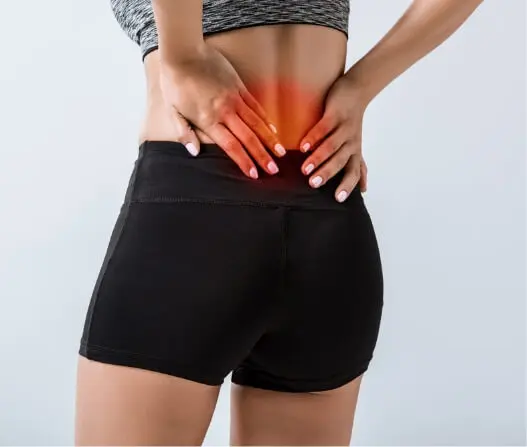
Back Pain Is a Symptom, Not One Diagnosis
The back contains vertebrae, spinal joints, discs, ligaments, muscles, connective tissue and nerves. Pain may involve one or more of these structures, and imaging does not always explain why someone hurts.
A Sore Back Does Not Automatically Mean Something Is Damaged
Some episodes begin after lifting, bending, exercise or prolonged sitting. Others develop without one obvious event.
Muscle guarding, joint irritation, disc-related symptoms and nerve sensitivity can overlap. That is why treatment should follow the overall presentation rather than one tender muscle or one imaging finding.
Mayo Clinic notes that back pain can result from muscle or ligament strain, disc problems, arthritis and other conditions. It also notes that bulging or ruptured discs may sometimes appear on imaging without causing pain.
An MRI Finding Does Not Automatically Explain Every Symptom
Disc bulges, degeneration and other structural findings may be important in some patients, but imaging must be interpreted together with symptoms, neurological findings and physical examination.
Acupuncture should not be used to claim that a disc has been mechanically corrected simply because pain changes.
Low-Back Pain Can Behave in Very Different Ways
The way pain begins, moves and responds to activity can help determine what type of care makes sense.
Sudden Back Pain
- Pain after bending or lifting
- Muscle guarding or spasm
- Difficulty standing upright
- Restricted movement
- Pain changing position
New pain still needs appropriate screening, especially when significant trauma or neurological symptoms are present.
Persistent or Recurring Low-Back Pain
- Symptoms lasting several months
- Repeated flareups
- Stiffness after sitting
- Activity-related pain
- Difficulty returning to exercise or work
Chronic pain may involve several biological, movement and lifestyle factors rather than one isolated structure.
Back Pain With Sciatica-Like Symptoms
- Pain into the buttock
- Pain traveling down the leg
- Numbness or tingling
- Changes in sensation
- Possible weakness
Back Pain With Hip or Glute Symptoms
- One-sided low-back pain
- Gluteal soreness
- Symptoms with walking
- Pain getting out of a chair
- Hip and back stiffness together
Pain near the SI region does not automatically prove that the SI joint is the primary source.
Persistent Pain After Spine Surgery
- Residual muscle guarding
- Ongoing pain after healing
- Reduced movement tolerance
- Adjacent muscle discomfort
- Persistent nerve symptoms
Surgical history, hardware, neurological status and surgeon recommendations need to be considered.
Sitting-Related Back Pain
- Symptoms after commuting
- Low-back stiffness at a desk
- Discomfort standing after sitting
- Hip or glute symptoms
- Pain late in the workday
Long sitting can aggravate symptoms, but it should not automatically be treated as the root cause of every lumbar condition.
What the Pain Keeps You From Doing Matters
Back pain can interfere with lifting, work, sitting, standing, exercise, sleep and ordinary movement.
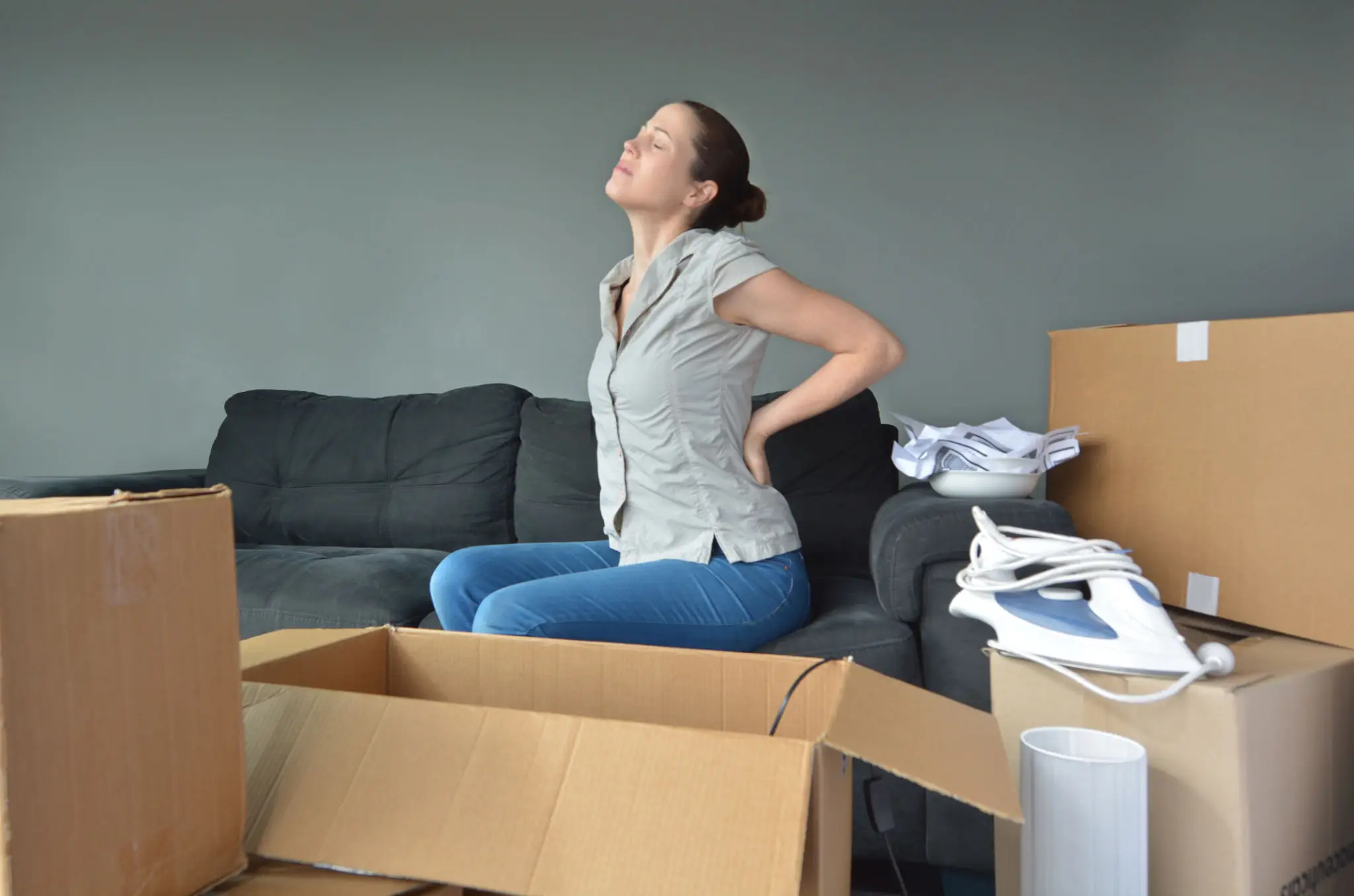
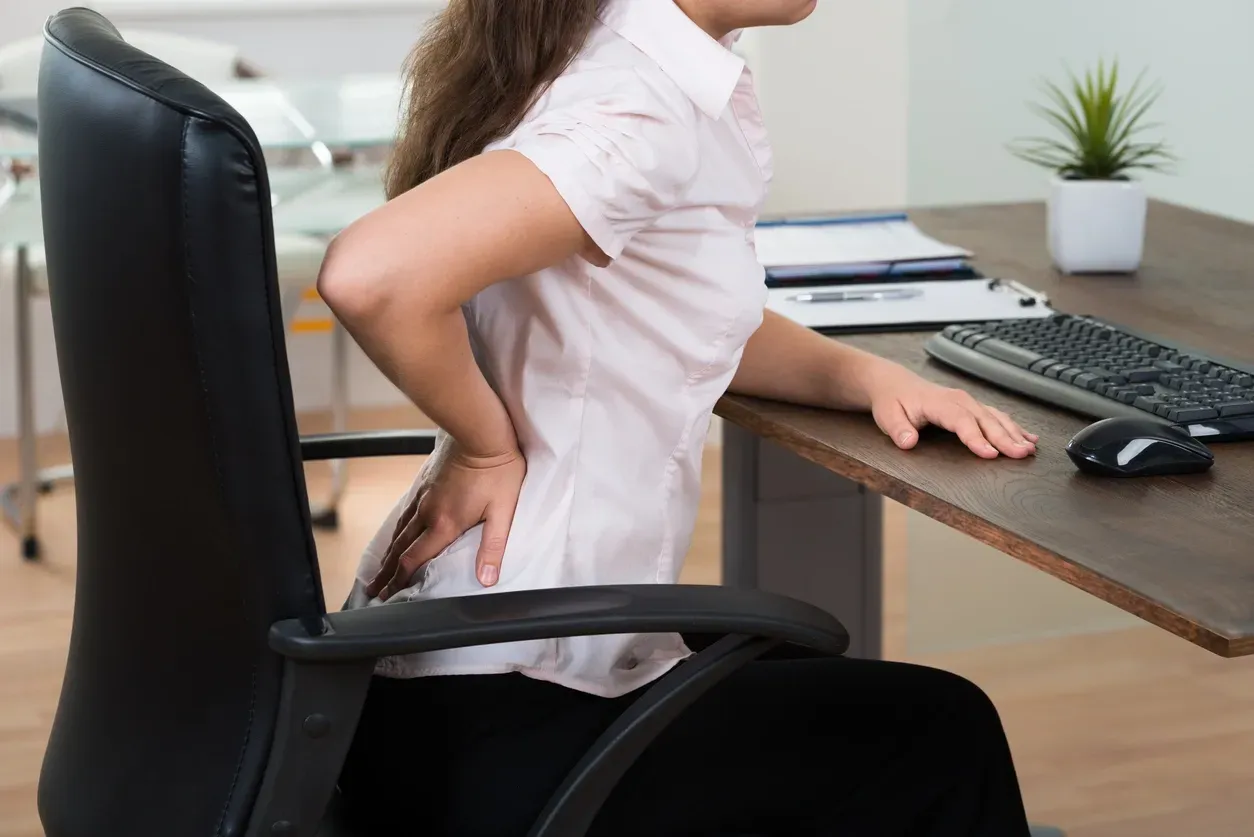
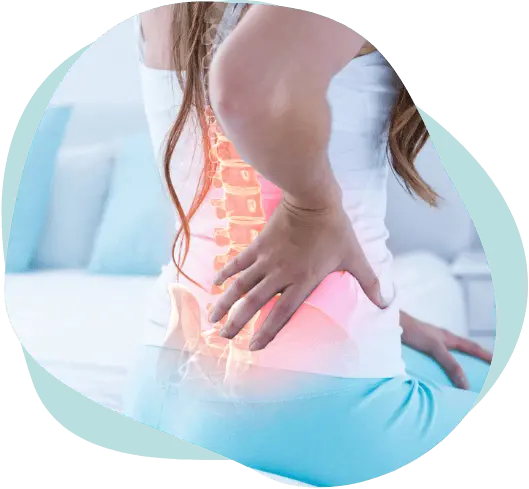
Several Structures Can Contribute to Back Pain
Low-back pain should not automatically be labeled a muscle problem, disc problem or SI-joint problem without appropriate evaluation.
Muscle & Soft Tissue
Strain, guarding, tenderness and other soft-tissue findings may contribute to movement-related pain and stiffness.
Joints & Discs
Lumbar joints, discs, age-related changes and other structural conditions may be relevant depending on symptoms and examination findings.
Nerves
Nerve-root irritation can contribute to radiating pain, numbness, tingling or weakness into the leg.
A Tender QL, Glute or Piriformis Is a Finding, Not the Whole Diagnosis
Tenderness in the quadratus lumborum, lumbar paraspinals, gluteal muscles or piriformis may be clinically relevant.
Finding tenderness, however, does not prove that one of those muscles is the root cause of persistent low-back or radiating leg pain.
Where Acupuncture May Fit
Acupuncture is included among non-drug options used for low-back pain, particularly when conservative care is appropriate.
The Evidence Is Stronger for Chronic Low-Back Pain Than for Acute Pain
NCCIH reports low-to-moderate-quality evidence that acupuncture may be helpful for chronic low-back pain and low-quality evidence that it may help acute low-back pain.
NCCIH also notes that the American College of Physicians includes acupuncture as an initial non-drug option for chronic low-back pain and as an option for acute or subacute low-back pain.
Needle-Based Pain Care
Acupuncture may be considered for selected acute or chronic low-back pain presentations when conservative care is appropriate.
When Muscle Findings Are Relevant
Dry needling may be considered when selected muscle or myofascial findings appear relevant to the pain pattern.
Controlled Electrical Stimulation
Selected acupuncture needles may be paired with controlled electrical stimulation when appropriate for the presentation and patient.
Soft-Tissue Care
Hands-on care may be considered for selected back, hip and surrounding soft-tissue symptoms.
Local Suction Therapy
Cupping may be used for selected muscle discomfort. Cupping marks do not identify disc damage, inflammation or the source of back pain.
Care Can Be Combined
Acupuncture can often be used alongside physical therapy, exercise, medication or other appropriate medical care.
Acupuncture Does Not Repair a Herniated Disc or Mechanically Unpinch a Nerve
Acupuncture should not be presented as pushing a disc back into place, rebuilding spinal tissue, permanently realigning the lumbar spine or mechanically removing nerve compression.
It may be used as part of conservative pain management when appropriate, while medical, rehabilitation or surgical care addresses problems that require those services.
Similar Back Pain Can Point to Different Next Steps
These examples are not diagnoses. They show why the symptom pattern matters before treatment.
| What You Notice | What May Need Consideration | Why It Matters |
|---|---|---|
| Local pain after lifting | Strain, muscle guarding and other mechanical causes. | Conservative care may be reasonable when no warning signs are present. |
| Chronic stiffness or aching | Muscular, joint, disc and broader chronic-pain factors. | Treatment often needs to consider function and activity, not only a painful spot. |
| Pain traveling below the knee | Lumbar nerve-root involvement or another neurological source. | Radiating symptoms require more specific screening. |
| Numbness or tingling | Nerve irritation, compression or another neurological condition. | Sensory symptoms should not automatically be attributed to muscle tightness. |
| Progressive weakness or foot drop | Significant nerve involvement may be possible. | Prompt medical assessment is appropriate. |
| Severe pain after major trauma | Fracture or other structural injury. | Medical evaluation should come before routine conservative treatment. |
What to Expect During a Back Pain Visit
Your first visit is 75 minutes. The goal is to understand what makes the pain better, worse or different before selecting a treatment.
Review the History
We discuss when the pain began, injuries, previous diagnosis, surgery, imaging, medications, prior treatment and which activities are currently limited.
Screen Neurological Symptoms
Leg pain, numbness, tingling, weakness and bowel or bladder symptoms are important to identify before treatment.
Evaluate Relevant Movement
Depending on the presentation, bending, extension, rotation, sitting, standing, muscle guarding and other relevant movements may be considered.
Choose the Treatment Tool
Acupuncture, dry needling, electroacupuncture, medical massage or another approach may be selected when it fits the presentation and safety findings.
Reassess
Pain, motion, bending, standing tolerance or another useful measure may be rechecked to determine whether treatment produced a meaningful change.
There Is No Universal Number of Back Pain Visits
Follow-up visits are generally 45 to 60 minutes. The number and frequency of treatments depend on the presentation, symptom duration, neurological findings, functional limitations and response.
Acute, chronic, nerve-related and post-surgical pain should not be assigned fixed treatment packages simply from the diagnosis label.
Movement and Daily Activity Are Often Part of Back Pain Care
Most back-pain care should not revolve around protecting the back from all movement. Appropriate activity and gradual return to function are often important.
Change Position Instead of Chasing Perfect Posture
If sitting consistently increases symptoms, shorter sitting periods, position changes and an easier workstation setup may be useful.
There is no single perfect sitting posture required for every back.
Avoid Unnecessary Bed Rest
Mayo Clinic notes that bed rest is generally not recommended for ordinary back pain. Appropriate gentle activity can often be part of recovery.
Build Back Toward Normal Activity
Strengthening, walking, mobility or physical therapy may be appropriate depending on the patient's diagnosis and tolerance.
Temporary Pain Does Not Always Mean New Damage
Symptoms can fluctuate during recovery. A flareup should be interpreted alongside neurological symptoms, trauma and overall function rather than assuming something has been newly damaged.
Some Back Pain Needs Medical Evaluation First
Most episodes of back pain are not caused by a medical emergency, but certain symptoms should not be managed as routine muscle pain.
Seek Appropriate Medical Care for Concerning Back Pain
Prompt or emergency medical evaluation is appropriate when back pain is associated with:
- new bowel or bladder control problems,
- new numbness around the groin or saddle region,
- progressive leg weakness or foot drop,
- significant or rapidly spreading numbness,
- fever with significant back pain,
- severe pain after a fall, collision or other major trauma,
- unexplained weight loss with persistent back pain, or
- rapidly worsening or otherwise unusual neurological symptoms.
A Significant Fall or Collision Changes the Evaluation
Mayo Clinic advises medical evaluation for back pain following a serious fall, car crash, sports injury or other trauma.
Acupuncture may sometimes be considered later as part of recovery, but it should not delay necessary imaging or medical assessment.
Back Pain Often Overlaps With Other Symptoms
These pages provide more detail when symptoms extend beyond the low back.
Have Questions About Insurance?
Acupuncture benefits vary by individual plan, diagnosis and available coverage. Contact the office with your insurance information and the team can help verify available benefits.
Questions Patients Ask Before Scheduling
Can acupuncture help low-back pain?
It may help selected patients. NCCIH reports low-to-moderate-quality evidence for chronic low-back pain and lower-quality evidence for acute low-back pain. The appropriate plan still depends on the presentation, safety and response.
Can acupuncture help sciatica?
Acupuncture may be considered for selected patients with back and radiating leg pain, but “sciatica” describes a symptom pattern, not one single cause. Progressive weakness, foot drop or significant neurological changes need medical evaluation.
Can acupuncture fix a herniated disc?
No claim should be made that acupuncture physically repairs or pushes a herniated disc back into place. It may be used as an adjunct for pain in selected cases while appropriate medical and rehabilitation care addresses the underlying condition.
Do I need an MRI before acupuncture?
Not everyone does. Imaging decisions depend on the history, injury mechanism, neurological findings, medical risk factors and suspected diagnosis. Structural findings can also appear on imaging in people without pain.
Can I receive acupuncture after lumbar fusion or back surgery?
Previous surgery does not automatically rule out acupuncture, but the surgical history, hardware, healing status, neurological symptoms and surgeon recommendations should be considered. Acupuncture should not be presented as changing or repositioning spinal hardware.
Can I get acupuncture during an acute back-pain flareup?
Sometimes, when the presentation is appropriate for conservative care. Significant trauma, fever, progressive weakness, bowel or bladder changes or other warning signs need medical evaluation first.
Is dry needling different from acupuncture for back pain?
Yes. Both use thin filiform needles, but they use different clinical frameworks. Dry needling generally targets selected muscle or myofascial findings, while acupuncture can use local and distal points as part of a broader treatment plan.
How many visits will I need?
There is no fixed treatment count that applies to every patient. Frequency depends on the presentation, symptom duration, neurological findings, other treatment and whether meaningful improvement is occurring.
Can acupuncture be used with physical therapy?
Often, yes. Acupuncture can be used alongside physical therapy, strengthening, exercise, medication or other appropriate care. It does not need to replace a broader rehabilitation plan.
When is back pain an emergency?
Seek urgent medical care for back pain with new bowel or bladder problems, saddle-region numbness, progressive weakness, significant trauma, fever or rapidly worsening neurological symptoms.
Start With What Your Back Is Keeping You From Doing
If back pain, stiffness, muscle guarding, radiating symptoms or restricted movement is interfering with work, sitting, exercise, sleep or everyday life, Messina Acupuncture PC can evaluate the pattern and determine whether acupuncture, dry needling, medical massage or another healthcare pathway may be appropriate.
Sources and Further Reading
- National Center for Complementary and Integrative Health: Low-Back Pain and Complementary Health Approaches
- NCCIH: Acupuncture Effectiveness and Safety
- American College of Physicians: Guideline for Nonradicular Low-Back Pain
- World Health Organization: Chronic Primary Low-Back Pain Guideline
- Mayo Clinic: Back Pain Symptoms and Causes
- Mayo Clinic: When to Seek Medical Care for Back Pain