
Acupuncture for Sciatica in East Setauket, NY
Sciatica can cause pain that travels from the low back or buttock into the thigh, calf or foot, sometimes with numbness, tingling or weakness. At Messina Acupuncture PC, the first step is determining whether the symptoms fit a lumbar nerve-root pattern or another condition that can mimic sciatica before deciding whether acupuncture is an appropriate part of care.
100 N Country Road, East Setauket, NY 11733
What Sciatica Actually Means
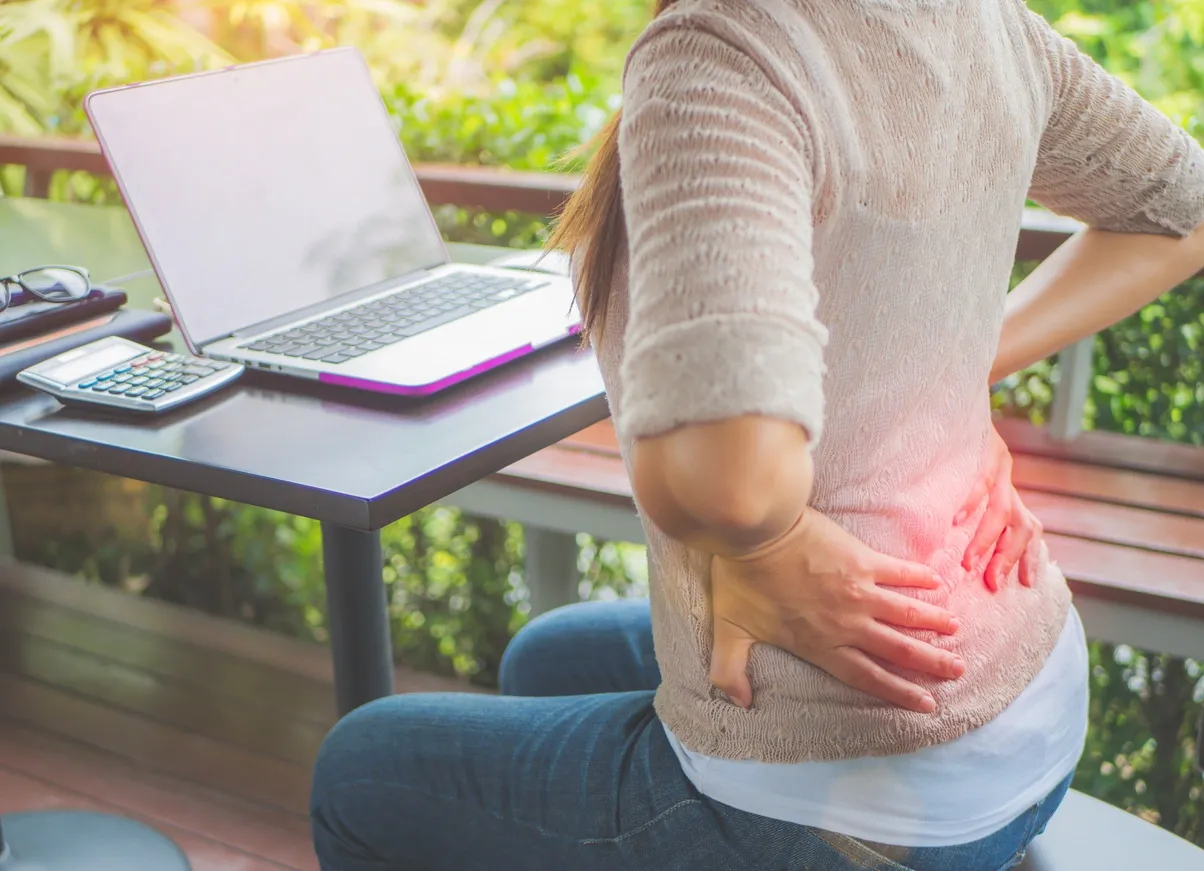
Sciatica describes a pattern of pain that travels along the sciatic nerve pathway, usually from the low back or buttock into one leg.
Classic Sciatica Usually Starts Upstream in the Lower Back
The sciatic nerve is formed from nerve roots that leave the lower spine. In classic lumbar sciatica, one or more of these nerve roots becomes irritated or compressed.
A herniated disc and age-related bony narrowing are common causes. This is why someone can feel severe calf or foot pain even though the relevant problem is higher in the lumbar spine.
Sciatica may include burning, aching, sharp or electric-like pain. Some patients also experience numbness, tingling or weakness in part of the leg or foot.
Symptoms are commonly one-sided. Sitting, coughing, sneezing or particular movements can aggravate symptoms in some lumbar nerve-root presentations.
Not Every Pain That Travels Down the Leg Is Sciatica
Hip disorders, sacroiliac-region pain, hamstring problems, deep-gluteal conditions and peripheral nerve disorders can produce symptoms that resemble sciatica.
Those conditions may require a different treatment approach, which is why the evaluation comes before the needle plan.
Sciatica Can Include More Than Leg Pain
The location, neurological symptoms and activities that aggravate the pain can provide useful clues about the presentation.
Buttock-to-Leg Pain
- Pain beginning in the low back or buttock
- Symptoms into the thigh or calf
- Pain reaching the ankle or foot in some cases
- Burning, sharp or electric sensations
Numbness or Tingling
- Altered sensation in part of the leg
- Tingling into the foot
- Areas that feel numb despite pain elsewhere
- Sensory changes affected by position
Leg or Foot Weakness
Nerve-root involvement can sometimes affect muscle strength. New or progressive weakness deserves greater attention than pain alone.
Symptoms During Prolonged Sitting
Some people with sciatica report increased symptoms during prolonged sitting or driving.
Sitting pain alone, however, does not identify the cause.
Leg Symptoms With Standing or Walking
Older adults with lumbar spinal stenosis may experience leg symptoms that worsen with standing or walking.
This pattern needs to be distinguished from an acute disc-related presentation.
Back and Leg Pain Together
Some patients have substantial low-back pain together with leg symptoms. Others experience mostly leg pain.
Radiating Pain Can Change How You Sit, Walk and Move
Function gives useful context when evaluating whether symptoms are improving.

Several Conditions Can Produce Similar Leg Symptoms
Identifying a reasonable working diagnosis is more useful than labeling every buttock or leg complaint as a sciatic nerve problem.
Lumbar Nerve Root
Disc herniation or degenerative narrowing may irritate a lumbar nerve root and produce radiating pain, numbness, tingling or weakness.
Deep Gluteal Region
Conditions affecting the deep buttock region can sometimes irritate the sciatic nerve outside the spine and mimic lumbar sciatica.
Referred Pain
Hip, sacroiliac-region and surrounding soft-tissue problems can refer pain into the buttock or thigh without being true lumbar radiculopathy.
Piriformis-Related Pain and Lumbar Sciatica Are Not Automatically the Same Thing
The piriformis and other structures in the deep-gluteal region can sometimes be involved in sciatic-nerve-like symptoms.
A tender piriformis muscle does not by itself prove sciatic nerve compression. Deep-gluteal pain, lumbar radiculopathy and referred hip or pelvic pain need to be distinguished as carefully as possible.
Similar Leg Pain Can Point to Different Next Steps
These examples are not diagnoses. They illustrate why neurological and orthopedic findings matter.
| What You Notice | What May Need Consideration | Why It Matters |
|---|---|---|
| Pain from the back or buttock into one leg | Lumbar nerve-root irritation or radicular pain. | The neurological pattern should be assessed, especially when symptoms extend below the knee. |
| Numbness or tingling | Nerve-root or peripheral nerve involvement. | Sensory change should not simply be attributed to tight muscles. |
| Buttock-dominant pain with sitting | Deep-gluteal, hip or lumbar causes may need consideration. | Sitting pain alone does not confirm piriformis syndrome. |
| Leg pain with prolonged standing or walking | Lumbar spinal stenosis or another cause of neurogenic symptoms. | The pattern may require a different management strategy from acute disc irritation. |
| Progressive weakness or foot drop | Significant motor nerve involvement. | Prompt medical evaluation is appropriate. |
| Saddle numbness or bladder or bowel change | Cauda equina syndrome must be considered. | This requires immediate emergency medical evaluation. |
What Current Research Says About Acupuncture for Sciatica
Acupuncture has been studied specifically for sciatica, including a recent randomized sham-controlled trial in patients with chronic sciatica from lumbar disc herniation.
The Strongest Recent Trial Focused on Chronic Disc-Related Sciatica
A 2024 multicenter randomized clinical trial published in JAMA Internal Medicine compared acupuncture with sham acupuncture in adults with chronic sciatica caused by herniated lumbar disc.
The acupuncture group experienced greater improvement in leg pain and disability at four weeks. Between-group differences remained present through the 52-week follow-up.
The result is encouraging, but it should not be generalized to every person with buttock or leg pain. The participants had chronic sciatica specifically associated with herniated lumbar discs.
A 2025 overview of systematic reviews also found promising results for acupuncture, while identifying important methodological problems, study overlap and possible publication bias in the broader literature. A 2026 meta-analysis of randomized studies of chronic disc-related sciatica similarly reported improvements in leg pain and disability, although most included participants were from studies conducted in China.
A Study Protocol Is Not a Universal Treatment Schedule
The JAMA trial used ten acupuncture sessions over four weeks. That tells us how the research protocol was designed.
It does not prove that every patient with sciatica needs exactly ten visits or that the same schedule applies to acute, stenosis-related, post-surgical or sciatica-like pain.
Sciatica Care Should Follow the Evaluation
Acupuncture is one possible conservative option. Other services are considered only when they fit the patient's findings and goals.
Needle-Based Pain Care
Acupuncture may be considered for selected lumbar and radiating-leg pain patterns.
Controlled Electrical Stimulation
Selected needles may be paired with controlled electrical stimulation when clinically appropriate.
When Muscle Findings Are Relevant
Dry needling may be considered when selected lumbar or gluteal muscle findings appear clinically relevant.
Surrounding Soft Tissue
Hands-on care may support comfort and movement when surrounding lumbar, hip or gluteal soft tissue is part of the presentation.
Physical Therapy & Exercise
Exercise-based rehabilitation and physical therapy may remain important, particularly for restoring strength, confidence and activity tolerance.
Medication, Injection or Surgical Evaluation
Depending on symptom severity, neurological findings and diagnosis, patients may also need physician-directed medication, injection or surgical consultation.
Acupuncture Does Not Push a Herniated Disc Back Into Place
Acupuncture should not be presented as mechanically shrinking or repositioning a herniated disc, widening spinal stenosis or physically removing nerve-root compression.
It may be used as part of conservative pain management in selected patients while appropriate medical or rehabilitation care addresses the underlying condition.
What to Expect During a Sciatica Visit
Your first visit is 75 minutes. The objective is to understand the radiating-pain pattern and screen for neurological findings before treatment.
Review the History
We discuss where symptoms begin, how far they travel, when they started, previous injuries, imaging, surgery, medications and other treatments.
Review Neurological Symptoms
Numbness, tingling, weakness, changes in sensation and bowel or bladder symptoms are important to identify.
Evaluate the Relevant Pattern
Depending on the presentation, lumbar movement, leg symptoms, strength, sensation and relevant orthopedic or neurological findings may be considered.
Decide Whether Acupuncture Fits
If the presentation appears appropriate for conservative acupuncture care, the treatment plan is selected according to the findings, safety and patient preference.
Reassess Meaningful Function
Leg pain, sitting tolerance, walking, movement or another relevant measure may be reassessed over the course of care.
There Is No Universal 3-, 6- or 12-Visit Sciatica Package
Follow-up visits are generally 45 to 60 minutes. Frequency should reflect symptom duration, neurological findings, diagnosis, functional limitations, other treatment and response.
If symptoms are not changing as expected, the diagnosis and care pathway should be reconsidered rather than automatically adding more sessions.
Activity and Rehabilitation Still Matter
Acupuncture does not mean that movement, strength or rehabilitation become unimportant.
Avoid Unnecessary Prolonged Inactivity
Mayo Clinic notes that extended inactivity can worsen sciatica symptoms. Activity should be adjusted to the individual presentation rather than stopped completely without a medical reason.
Change Position When Sitting Aggravates Symptoms
If prolonged sitting or driving increases leg symptoms, position changes and reasonable movement breaks may be useful.
Gradual Rehabilitation May Be Appropriate
Strengthening, walking or physical therapy may be incorporated according to the diagnosis, irritability of symptoms and medical guidance.
Pain Fluctuation Does Not Always Mean New Nerve Damage
Symptoms can fluctuate. What matters is whether there is progressive weakness, expanding numbness, worsening function or another concerning change.
Some Sciatica Symptoms Need Immediate Medical Evaluation
Most sciatica does not require emergency treatment. Certain neurological changes, however, should not wait for an acupuncture appointment.
Know the Signs That Can Suggest Cauda Equina Syndrome
Seek immediate emergency medical evaluation for severe low-back or leg pain associated with:
- new difficulty starting or controlling urination,
- new loss of bladder or bowel control,
- new numbness around the genitals, anus or saddle region,
- new disturbance of sexual sensation or function together with severe radiating back pain,
- severe or rapidly worsening weakness in one or both legs, or
- rapidly worsening bilateral leg symptoms.
Not Every Severe Leg-Pain Pattern Is Routine Sciatica
Prompt medical evaluation may also be appropriate for sudden significant weakness, foot drop, symptoms after major trauma, fever with significant back pain, rapidly worsening numbness, unexplained weight loss or concerning symptoms in a patient with a history of cancer.
Acupuncture should not delay appropriate imaging, emergency care, neurological assessment or surgical consultation when those are indicated.
Sciatica Often Overlaps With Back, Hip and Muscle Symptoms
These pages provide more detail when the complaint extends beyond radiating leg pain.
Have Questions About Insurance?
Acupuncture benefits vary by individual plan, diagnosis and available coverage. Contact the office with your insurance information and the team can help verify available benefits.
Questions Patients Ask Before Scheduling
What exactly is sciatica?
Sciatica describes pain traveling along the sciatic-nerve pathway, usually from the low back or buttock into one leg. Classic lumbar sciatica most often involves irritation or compression of nerve roots in the lower spine.
Can acupuncture help sciatica?
It may help selected patients. A 2024 randomized clinical trial found better leg-pain and disability outcomes with acupuncture than sham acupuncture in patients with chronic sciatica from herniated lumbar disc. The finding should not be assumed to apply to every cause of leg pain.
Can acupuncture fix a herniated disc?
No claim should be made that acupuncture physically repairs or pushes a herniated disc back into place. It may be considered as a conservative option for pain in selected patients.
Is piriformis syndrome the same as sciatica?
Not exactly. Deep-gluteal conditions can sometimes irritate the sciatic nerve outside the spine and create sciatica-like symptoms. Classic sciatica, however, commonly comes from lumbar nerve-root irritation.
Can dry needling be used for sciatica?
Dry needling may be considered when selected lumbar or gluteal muscle findings are relevant. It should not be presented as decompressing a lumbar nerve root or correcting a herniated disc.
Do I need an MRI before acupuncture?
Not everyone does. Imaging decisions depend on the history, severity, neurological findings, duration, prior treatment and warning signs. If the presentation suggests that imaging or specialist evaluation should come first, acupuncture should not delay it.
Can I try acupuncture while waiting for an injection?
Acupuncture can sometimes be considered as part of conservative care while another treatment is being planned. It should not be promised as a replacement for an injection, and urgent neurological symptoms require medical evaluation first.
Can acupuncture be used with physical therapy?
Often, yes. Acupuncture can be used alongside physical therapy, exercise, medication and other appropriate care. It does not need to replace rehabilitation.
How many acupuncture visits will I need for sciatica?
There is no fixed number of visits that applies to every patient. Frequency depends on the diagnosis, symptom duration, neurological findings, functional limitations, other treatment and whether meaningful improvement is occurring.
When is sciatica an emergency?
Seek emergency medical care for severe radiating back or leg pain with new bladder or bowel dysfunction, saddle-region numbness, significant or rapidly worsening weakness or severe worsening symptoms in both legs.
Will insurance cover acupuncture for sciatica?
Coverage varies by insurance plan, diagnosis, available benefits and how care is billed. Contact Messina Acupuncture PC with your insurance information to verify available benefits.
Start With Where the Pain Travels and What It Is Keeping You From Doing
If pain, burning, numbness or tingling is traveling from your low back or buttock into the leg and interfering with sitting, walking, work, sleep or exercise, Messina Acupuncture PC can evaluate the pattern and determine whether acupuncture or another healthcare pathway may be appropriate.
Sources and Further Reading
- JAMA Internal Medicine: Acupuncture vs Sham Acupuncture for Chronic Sciatica From Herniated Disk
- PubMed: 2024 Randomized Clinical Trial of Acupuncture for Chronic Disc-Related Sciatica
- 2025 Overview of Systematic Reviews: Acupuncture Therapy for Sciatica
- 2026 Systematic Review and Meta-Analysis: Acupuncture for Chronic Sciatica From Herniated Disks
- National Center for Complementary and Integrative Health: Acupuncture Effectiveness and Safety
- Mayo Clinic: Sciatica Symptoms and Causes
- Mayo Clinic: Sciatica Diagnosis and Treatment
- NICE: Neurological Referral Guidance and Cauda Equina Warning Signs