
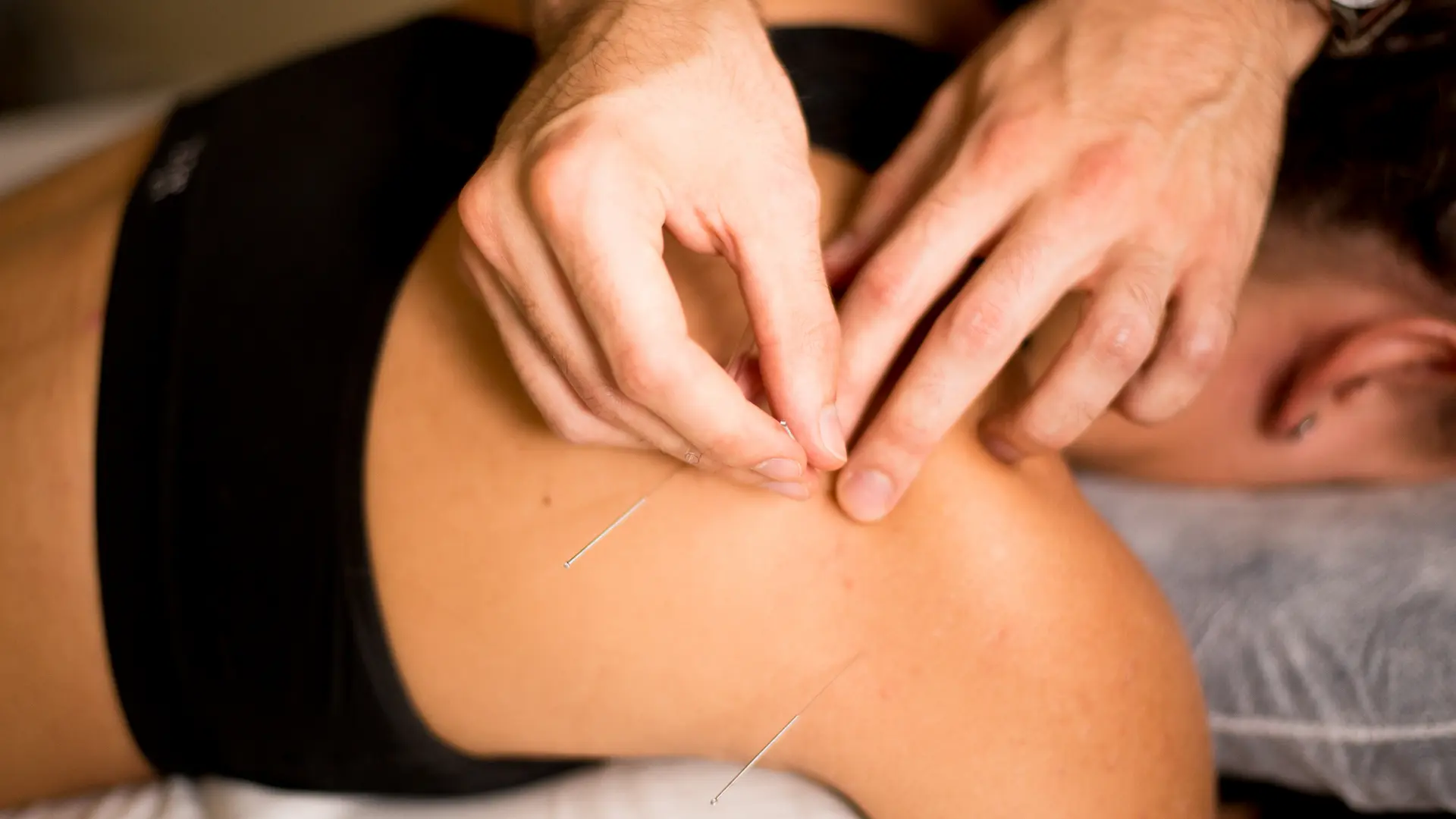
Acupuncture Aftercare in East Setauket
Acupuncture aftercare is usually much simpler than many online checklists make it sound. Most people can return to a fairly normal day after treatment. The most useful questions are how you feel, what condition was treated, whether the session involved more intensive muscle needling, and whether your practitioner gave you condition-specific instructions.
What Should You Not Do After Acupuncture?
Do not drive if you feel dizzy, faint or unusually drowsy. Do not ignore new or severe symptoms. Do not stop prescribed medication, rehabilitation or other medical care simply because you received acupuncture.
You also do not need to assume that coffee, exercise, ice, cold air, normal food, screens, swimming or other ordinary activities automatically undo an acupuncture treatment.
Aftercare should be based on your symptoms and the condition being treated rather than a universal 24-hour restriction list.
9 Things to Be Careful About After Acupuncture
Do Not Drive If You Feel Dizzy, Faint or Too Drowsy
Most patients are able to drive normally after acupuncture. Temporary dizziness, tiredness and vasovagal reactions can occur, however.
If you feel lightheaded, sweaty, nauseated, faint or unusually sleepy, sit or lie down until you feel fully alert.
If symptoms do not settle, tell the practitioner and arrange transportation rather than driving yourself.
Do Not Assume Every Uncomfortable Reaction Is “Detox”
A small bruise, local soreness, temporary tiredness or brief dizziness can occur after acupuncture.
These reactions do not establish that toxins are being released from tissues or flushed through the liver and kidneys.
New or worsening symptoms should be evaluated according to what they actually are.
Do Not Stop Medication or Change Your Medical Plan
Acupuncture is not a reason to stop pain medication, anticoagulants, psychiatric medication, blood-pressure treatment or another prescribed drug.
Medication changes belong with the healthcare professional managing that medication.
The same principle applies to braces, physical therapy, post-operative instructions, activity restrictions and other medical recommendations.
Do Not Assume Coffee Cancels the Treatment
There is no established clinical rule requiring patients to avoid caffeine for four to six hours after acupuncture.
A frequently cited 2010 study found an adenosine-related pain effect from acupuncture in mice. It did not show that drinking coffee after acupuncture neutralizes treatment in human patients.
If caffeine normally makes you shaky, anxious or interferes with sleep, use your usual judgment.
Do Not Automatically Stop Using Ice
Acupuncture does not make cold therapy universally inappropriate.
For selected acute sprains and strains, cold therapy may still be used to help manage pain and swelling.
If a physician, physical therapist or another clinician has recommended ice for your injury, acupuncture is not automatically a reason to reverse that plan.
Do Not Assume Heat Is Always Better
A warm shower or heating pad may feel good for some muscle stiffness, but heat is not appropriate for every injury.
For example, heat may be inappropriate over an acutely swollen, bruised or injured area.
Choose heat or cold based on the condition and guidance appropriate to that injury.
Do Not Push Through Significant Soreness Just to Train
There is no universal evidence-based rule requiring every patient to avoid exercise for 24 hours after acupuncture.
There is also no benefit to forcing a hard workout if treatment left an area sore, particularly after targeted muscle or trigger-point needling.
Let the underlying injury, treatment intensity, symptoms and planned workout guide the decision.
Do Not Overhydrate to “Flush Toxins”
Drink according to thirst and your usual health needs.
You do not need unusually large amounts of water, lemon water, detox tea or electrolyte drinks to flush substances released by acupuncture.
People with fluid restrictions or kidney, heart or blood-pressure conditions should continue following their medical guidance.
Do Not Ignore a Serious Symptom as a “Healing Crisis”
Mild temporary symptoms can occur after acupuncture, but significant worsening should not automatically be interpreted as a positive healing response.
New chest pain, breathing difficulty, significant weakness, spreading redness, fever or another severe symptom deserves appropriate evaluation.
Does Acupuncture Put You Into “Parasympathetic Dominance”?
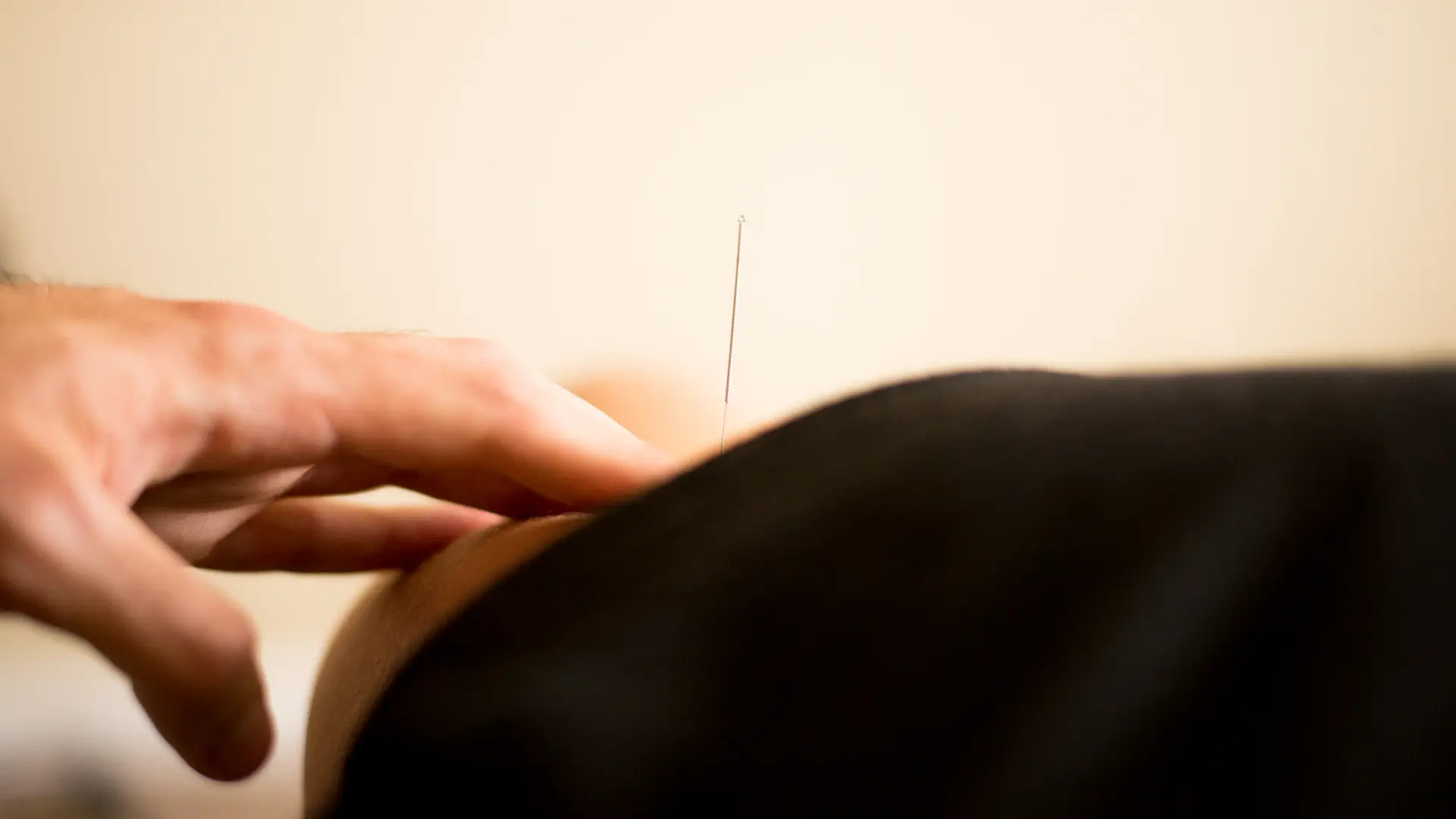
Patients often describe feeling relaxed, heavy, calm or sleepy during acupuncture. Those experiences can be very real.
Researchers have studied acupuncture in relation to autonomic nervous-system activity, pain modulation and other physiological responses. The mechanisms remain incompletely understood.
Feeling Relaxed Is Not the Same as Proving a Nervous-System “Switch”
Feeling relaxed after treatment does not by itself establish that acupuncture forced the body from sympathetic dominance into parasympathetic dominance.
It also does not prove that the body has been flooded with endorphins, enkephalins or anti-inflammatory cytokines.
You do not need to protect a fragile neurological state for acupuncture to have value.
Does Caffeine Really Block Acupuncture?
Caffeine interacts with adenosine receptors, and adenosine has been studied as one possible component of acupuncture-related pain modulation.
A frequently cited Nature Neuroscience study found that acupuncture increased local extracellular adenosine in mice and that the experimental pain effect involved adenosine A1 receptors.
That research helps scientists explore a possible mechanism. It does not establish that drinking coffee after acupuncture prevents pain relief in people.
Animal Mechanism Research Does Not Create a 4-Hour Coffee Rule
The adenosine research was not a human clinical trial comparing people who drank coffee after acupuncture with people who did not.
It therefore does not establish a clinically validated period during which caffeine must be avoided.
If caffeine affects your anxiety, heart symptoms or sleep, limiting it may make sense for those reasons.
Should You Ice an Injury After Acupuncture?
Sometimes.
The appropriate choice depends on the injury and treatment goal. Acupuncture does not require replacing condition-specific injury care with warmth.
Cold therapy may still be useful for selected acute injuries and swelling. Heat may be useful in other situations such as stiffness.
Ice should not be applied directly to bare skin, and people with reduced sensation, poor circulation or certain medical conditions may need individualized guidance.
If the clinician managing your injury has specifically recommended cold therapy, do not discontinue it solely because you also received acupuncture.
Can You Exercise After Acupuncture?
There Is No Universal 24-Hour Exercise Ban
Whether exercise makes sense depends more on the condition being treated, treatment intensity and how you feel than on the number of hours since the appointment.
A normal exercise-related increase in heart rate, adrenaline or stress hormones has not been shown to automatically cancel acupuncture.
An athlete who received targeted needling into a sore calf immediately before a demanding run may reasonably modify the workout.
Someone who received a gentler treatment and feels completely normal may not need the same restriction.
If acupuncture is part of injury care, follow the activity guidance appropriate for that injury.
What About Alcohol?
Acupuncture does not create a special “toxin load” that suddenly has to be processed by the liver.
Alcohol can still affect hydration, sleep, balance, judgment and medication safety.
If you feel dizzy, faint, nauseated or unusually tired after treatment, alcohol may also make those symptoms harder to interpret.
If alcohol is restricted because of medication or a medical condition, continue following that guidance.
Do You Need a Special Post-Acupuncture Diet?
No.
You do not need bone broth, congee, steamed vegetables, herbal tea or another specific food to preserve the effects of acupuncture.
Eat according to your normal nutritional needs and any recommendations from your healthcare team.
If you feel mildly nauseated, choosing foods you normally tolerate well may simply be more comfortable.
Does Cold Air Undo Acupuncture?
Traditional Chinese medicine uses concepts such as Wind, Cold and Wei Qi within its historical clinical framework.
Those traditional concepts should not be presented as proof that acupuncture leaves literal open meridians or pores through which cold air enters the body.
If you feel cold, wearing a sweater or making yourself comfortable is perfectly reasonable.
You do not need to avoid an air-conditioning vent to keep acupuncture from being undone.
Can You Swim or Take a Bath After Acupuncture?
Routine acupuncture uses very fine needles, and there is no well-established universal rule requiring every patient to avoid swimming or bathing for 12 to 24 hours.
Practical judgment still matters. If a needle site is actively bleeding, unusually irritated or affected by a skin condition, allow the area to settle.
Patients with immune suppression, impaired wound healing, active skin disease or another infection-related concern may need individualized advice.
The same principle applies if treatment included more extensive dry needling or another technique that left the area locally irritated.
Do Screens or Stressful Emails Undo Acupuncture?
There is no evidence that checking email, scrolling through social media or using a screen reverses acupuncture through a dopamine mechanism.
Taking some quiet time after treatment may feel good, and stepping away from stressful work may be a useful personal choice.
It is not necessary to protect or “lock in” serotonin, dopamine or a special nervous-system state.
Is a “Healing Crisis” Normal?
Worsening Symptoms Should Be Taken Seriously
Acupuncture can occasionally be followed by mild soreness, tiredness, dizziness, minor bruising or a short-lived symptom flare.
Those experiences are not evidence that toxins or stored emotions are being flushed from the body.
Severe, persistent or progressively worsening symptoms require appropriate assessment.
For a closer look at this topic, read Detox Symptoms After Acupuncture: What’s Real and What’s Not .
Can You Have Sex After Acupuncture?
There is no established medical requirement to abstain from sexual activity for 24 hours after acupuncture in order to preserve treatment energy.
As with other physical activity, the relevant question is whether the movement aggravates the injury or condition being treated.
If pregnancy, fertility treatment, recent surgery or another medical condition comes with specific activity restrictions, follow the guidance of the clinician managing that condition.
Can You Shave or Wax After Acupuncture?
There is no universal evidence-based rule requiring every patient to avoid shaving or waxing for exactly 24 hours.
Avoid irritating a site that is bruised, tender, bleeding or visibly inflamed.
Otherwise, ordinary skin care can generally be based on comfort and common sense.
What Should You Actually Do After Acupuncture?
| Topic | Practical Aftercare | What to Know |
|---|---|---|
| Hydration | Drink according to thirst and your usual health needs. | Extra water is not needed to flush acupuncture toxins. |
| Food | Eat normally unless nausea or another medical instruction changes what feels appropriate. | A special post-acupuncture diet is not required. |
| Caffeine | Use your usual judgment based on tolerance, anxiety and sleep. | Coffee has not been shown to chemically cancel acupuncture. |
| Exercise | Base activity on the condition, treatment intensity and how you feel. | There is no universal 24-hour exercise restriction. |
| Ice / Heat | Follow injury-specific or medical guidance. | Acupuncture does not automatically make either ice or heat the correct choice. |
| Driving | Drive only when fully alert and steady. | Significant dizziness or drowsiness should resolve first. |
| Rest | Rest if you feel tired. Otherwise, normal activity may be fine. | You are not protecting a fragile post-treatment repair window. |
What’s Normal, and When Should You Get Help?
Monitor
- Small bruise
- Mild needle-site soreness
- Tiny amount of bleeding that stops
- Temporary tiredness
- Brief mild dizziness that fully resolves
Check In
- Pain that is increasing instead of settling
- Large or expanding bruising
- Repeated dizziness or nausea
- Bleeding that is difficult to stop
- A new symptom that concerns you
Do Not Wait
- New shortness of breath
- Significant chest pain
- Difficulty breathing
- Severe or progressive weakness or numbness
- Loss of consciousness
- Fever with spreading redness, swelling or drainage
Messina Acupuncture PC is an orthopedic-focused acupuncture practice in East Setauket serving Stony Brook, Port Jefferson, the Three Village community and patients throughout Long Island’s North Shore.
Care is led by Daniel Messina, MSOM, L.Ac., a New York State Licensed Acupuncturist and NCCAOM Board-Certified Diplomate. The practice has served the local community since 2016.
Treatment uses sterile, single-use acupuncture needles. Aftercare recommendations are based on the patient’s condition, treatment performed and individual response rather than a one-size-fits-all 24-hour protocol.
Frequently Asked Questions About Acupuncture Aftercare
Can I drink coffee after acupuncture?
There is no established clinical rule requiring you to avoid caffeine for several hours after acupuncture. A frequently cited adenosine study was conducted in mice and does not demonstrate that coffee cancels acupuncture in human patients.
Can I exercise after acupuncture?
There is no universal 24-hour exercise restriction. Base activity on what was treated, treatment intensity, current soreness, the underlying injury and the workout you plan to perform.
Can I use ice after acupuncture?
Yes, when cold therapy is appropriate for the underlying condition. Acupuncture does not automatically make ice harmful. Follow condition-specific medical or rehabilitation guidance.
Can I drink alcohol after acupuncture?
Acupuncture does not create a special detox process that requires the liver to handle a large toxin load. Alcohol can still affect hydration, sleep, balance, judgment and medication safety.
Can I shower after acupuncture?
Routine showering is generally reasonable after uncomplicated acupuncture. Avoid aggressively scrubbing a site that is tender, bruised or actively bleeding.
Can I swim after acupuncture?
There is no well-established universal rule requiring all patients to avoid swimming for 12 to 24 hours after routine acupuncture. If a site is bleeding, unusually irritated or you have medical factors affecting infection risk, ask your practitioner for individualized guidance.
Is tiredness after acupuncture normal?
Temporary tiredness is a reported minor reaction. It does not prove that the body entered parasympathetic dominance, began detoxifying or shifted energy toward tissue repair.
Is it normal to feel worse after acupuncture?
Mild local soreness or a short-lived symptom flare can occur. Severe, progressive or persistent symptoms deserve appropriate evaluation rather than being automatically labeled a healing response.
Can I drive after acupuncture?
Most people can drive normally. If you feel dizzy, faint, significantly drowsy or otherwise impaired, wait until you feel fully alert or arrange another way home.
Aftercare Should Be Clear, Not Complicated
If you recently had acupuncture and are unsure about exercise, soreness, bruising, dizziness, nausea or another post-treatment concern, contact Messina Acupuncture PC. Aftercare should reflect what was actually treated and how you are responding.
Sources and Further Reading
- National Center for Complementary and Integrative Health: Acupuncture Effectiveness and Safety
- 2024 Review: Acupuncture Safety, Adverse Events and Risk Prevention
- Nature Neuroscience: Adenosine A1 Receptors and Acupuncture in a Mouse Pain Model
- Mayo Clinic: Sprain First Aid
- Mayo Clinic: Muscle Strain Treatment
- American Academy of Orthopaedic Surgeons: Heat or Ice for Your Pain?