
Cupping Therapy in East Setauket, NY
Cupping uses controlled suction applied to the skin for a limited period of time. It may be considered for selected neck, back, shoulder and muscle-pain presentations when hands-on suction therapy fits the clinical picture.
At Messina Acupuncture PC, cupping is one treatment option rather than a treatment automatically added to every pain complaint. We first look at the symptom pattern, movement, skin health, medical history and treatment goals.
100 N Country Road, East Setauket, NY 11733
What Is Cupping Therapy?
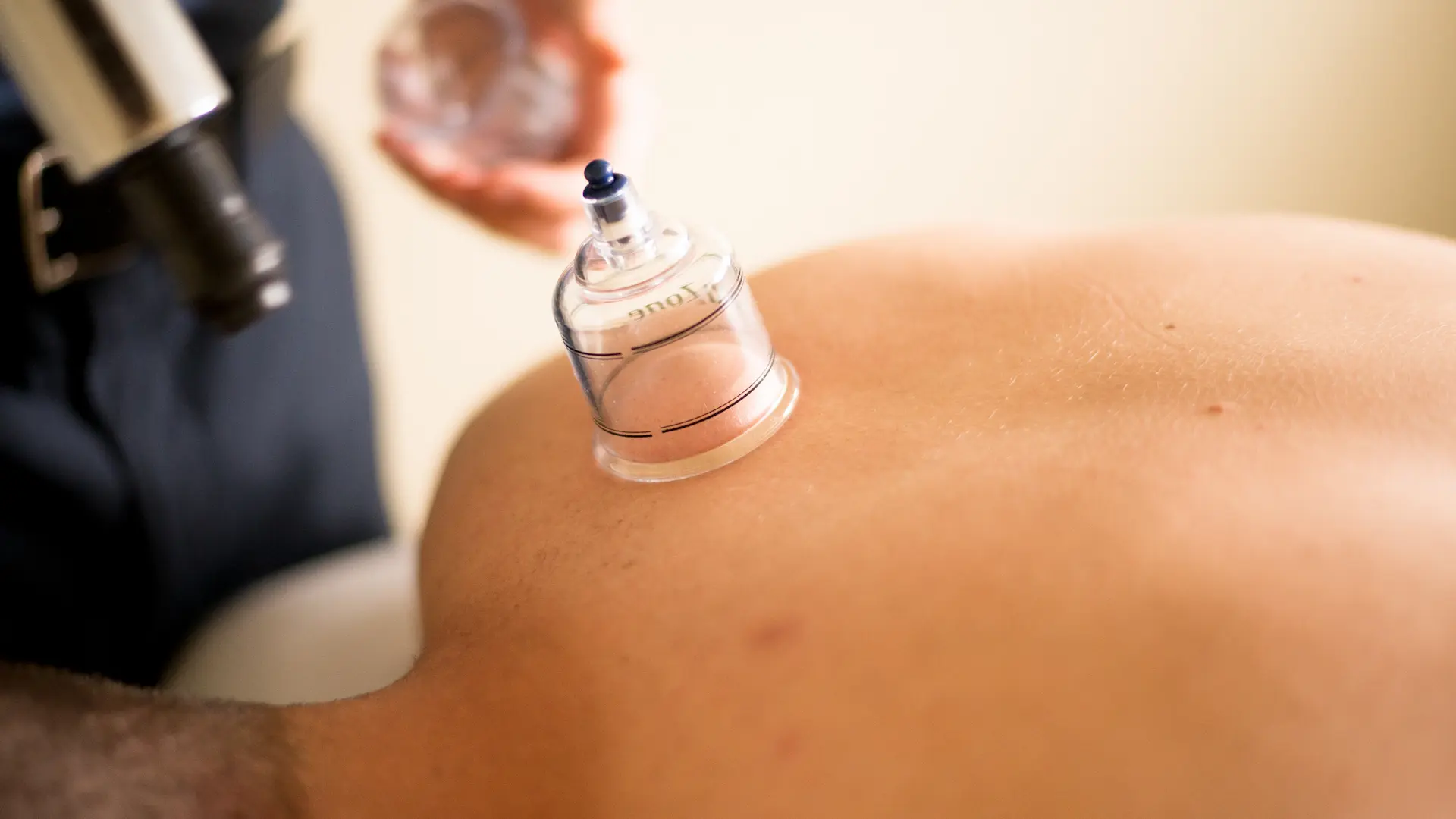
Cupping is a traditional therapy that uses negative pressure, or suction, to pull the skin upward into a cup.
Cupping Applies Suction Instead of Manual Pressure
Plastic, silicone, glass or other appropriate cups can be placed against the skin. A vacuum inside the cup creates an upward pulling force.
This makes the sensation different from medical massage or acupressure , which generally apply pressure toward the body.
Dry cupping does not involve cutting or intentionally piercing the skin. NCCIH distinguishes dry cupping from wet cupping, in which the skin is intentionally pierced.
The cupping discussed on this page is used within a musculoskeletal and acupuncture-based treatment setting.
Suction Does Not Prove Fascia Was “Released”
The cup unquestionably pulls on the skin and superficial soft tissue.
A patient may feel less tight or move more comfortably afterward, but that does not prove fascia was permanently separated, adhesions were broken or compressed tissue was structurally decompressed.
When Might Cupping Be Considered?
Cupping research is strongest around pain conditions, particularly musculoskeletal pain. It is not a general treatment for every symptom associated with stress, inflammation or poor circulation.
Chronic Neck Pain
Cupping has been studied specifically for chronic neck pain. Recent reviews suggest potential improvements in pain and function, although limitations remain in the evidence.
Back Pain
Cupping may be considered for selected back-pain presentations, particularly when muscle tenderness or guarded movement accompanies the complaint.
Shoulder and Upper-Back Tightness
Cups may be used over selected shoulder-blade, upper-back or trapezius regions when suction-based treatment fits the presentation.
Exercise-Related Muscle Soreness
Active patients sometimes choose cupping for temporary muscle soreness, tenderness or stiffness.
Symptom relief does not mean an injured tendon, ligament or muscle is fully healed.
Painful or Guarded Movement
Some patients experience a short-term change in comfort or range of motion after cupping.
Long-term mobility may still require exercise, strengthening or rehabilitation.
Alongside Other Treatment
Cupping may be incorporated alongside acupuncture , acupressure or medical massage when the combination makes clinical sense.
Not Every Tight or Painful Area Needs Cupping
Sharp trauma, progressive weakness, numbness, suspected fracture, infection, significant swelling or symptoms suggesting nerve involvement may require another evaluation before manual treatment.
How Might Cupping Influence Pain?
The full mechanism behind cupping is not established. Several mechanical and sensory effects occur during treatment, but those effects should not be confused with proven structural repair.
Negative Pressure
Suction stretches the skin and superficial tissue upward into the cup.
Sensory Input
The pulling sensation provides strong sensory input that may influence pain perception and how the area feels.
Local Vascular Response
Suction changes local blood flow and can dilate or rupture small capillaries, producing the familiar circular marks.
Increased Local Blood Flow Does Not Prove Faster Tissue Healing
Local vascular changes occur during cupping.
That does not establish that the treatment rebuilds cartilage, repairs tendons, accelerates ligament healing or delivers a special supply of oxygen that resolves an injury.
Cupping Marks Do Not Show Toxins Leaving the Body
Circular discoloration reflects a local vascular response to suction.
The marks should not be interpreted as visible toxins, lactic acid, inflammation or “stagnation” being pulled out of the body.
What Do Cupping Marks Actually Mean?
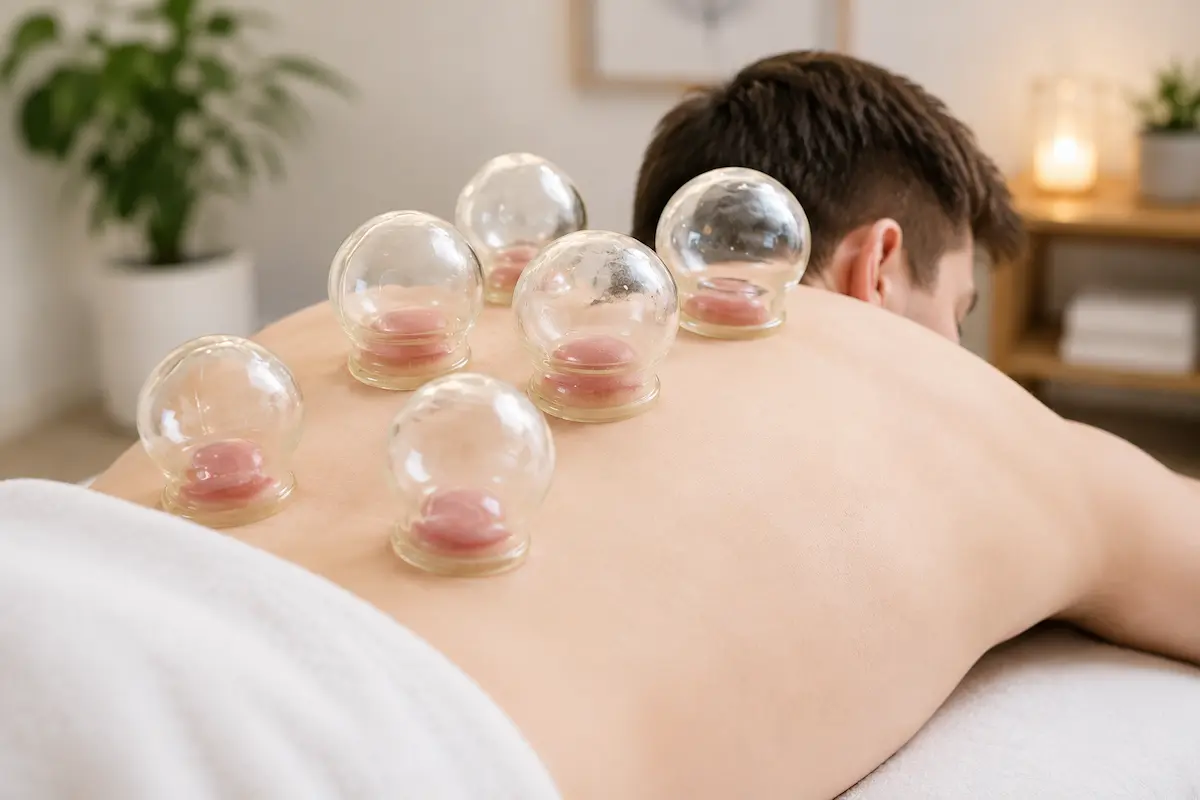
Cupping marks occur because suction stretches the skin and affects small superficial blood vessels.
They can range from light pink to red, purple or darker discoloration depending on suction intensity, duration, skin characteristics and individual vascular response.
Tell Us if Visible Marks Matter for an Upcoming Event
If you have a wedding, photos, competition, beach trip or another event coming up, mention it before treatment.
Suction, placement and technique can sometimes be modified, or another treatment option can be considered.
Different Ways Cupping May Be Applied
Suction strength, cup movement and treatment duration can be adjusted according to the body region, skin response and treatment purpose.
Stationary Dry Cupping
Cups remain in selected locations for a limited period. This approach is more likely to create visible circular marks.
Sliding Cupping
A lubricant may be applied so a cup can move across a broader soft-tissue region while suction is maintained.
Brief or Flash Cupping
Cups may be applied and removed more quickly when a shorter or lighter suction exposure is preferred.
Stronger Suction Is Not Automatically Better
Treatment does not need to create the darkest possible marks in order to be useful.
Suction should remain tolerable and should be adjusted if the patient experiences sharp pain, burning or excessive discomfort.
What to Expect During a Cupping Appointment
Cupping is typically considered after reviewing the complaint and deciding whether suction-based therapy is appropriate.
Review the Pain Pattern
We discuss symptoms, activity triggers, relevant injuries, health history, skin health and your treatment goals.
Screen for Safety
The treatment area is checked for wounds, infection, significant skin irritation and other factors that may affect whether cupping is appropriate.
Select the Technique
Stationary, sliding or brief cupping may be selected according to the body region and treatment goal.
Adjust Suction
Suction is kept within a tolerable range. Tell the practitioner if pulling, pressure or skin discomfort becomes excessive.
Reassess
Pain, range of motion, tenderness or another meaningful functional measure may be checked again when appropriate.
Aftercare Can Usually Stay Simple
Mild tenderness or skin sensitivity can occur. Keep the treated skin clean and avoid irritating or aggressively rubbing areas that feel sensitive.
Normal hydration according to thirst is appropriate. There is no need to drink excessive water to flush toxins after cupping.
Activity can generally be guided by how you feel and by the underlying injury. If the area is sore, modifying strenuous activity may be reasonable.
What Does Current Research Say About Cupping?
Cupping has been studied for multiple pain conditions, but study quality, protocols and comparison groups vary considerably.
Chronic Musculoskeletal Pain
A 2025 BMJ Open systematic review and meta-analysis found an immediate reduction in chronic musculoskeletal pain intensity.
It did not find significant improvement in functional disability or mental health, and statistical heterogeneity was high.
Review the studyChronic Neck Pain
A 2026 meta-analysis of nine randomized trials reported improvements in pain and functional disability for chronic neck pain.
The authors still noted methodological limitations in several included trials.
Review the studyComparison Group Matters
A 2020 chronic-pain review found larger short-term effects compared with no treatment, but no significant pain difference compared with sham cupping or other active treatment.
This is one reason cupping should not be presented as clearly superior to other appropriate care.
Review the studyPain Evidence Exists, but the Overall Research Base Is Still Limited
The National Center for Complementary and Integrative Health notes that cupping may reduce pain, while also emphasizing that much of the research is low quality.
That supports using cupping selectively rather than presenting it as a proven treatment for a long list of unrelated health conditions.
Cupping vs. Massage vs. Acupuncture vs. Dry Needling
These services can overlap in the symptoms patients bring to the office, but they use very different forms of stimulation.
| Feature | Cupping | Medical Massage | Acupuncture | Dry Needling |
|---|---|---|---|---|
| Main stimulus | Suction applied to skin. | Hands-on pressure and movement. | Thin, sterile, single-use needles. | Targeted solid filament needles applied to selected muscle findings. |
| Needles | No | No | Yes | Yes |
| Visible marks | Common with stationary cupping. | Not normally expected. | Occasional small bruising can occur. | Small bruising or bleeding can occur. |
| Which is best? | There is no universally best treatment. Selection depends on the condition, examination, patient preference and clinical response. | |||
When Should Cupping Be Avoided or Modified?
Dry cupping is generally considered relatively low risk, but suction can injure skin and is not appropriate for every patient or body region.
Your Health History Can Change the Plan
Important considerations include:
- blood-thinning medications or bleeding disorders,
- known or suspected blood clots,
- fragile skin or a history of easy bruising,
- open wounds, burns or healing incisions,
- active skin infection,
- significant eczema, psoriasis or other irritated skin in the treatment area,
- reduced sensation or neuropathy,
- recent surgery,
- pregnancy or possible pregnancy, and
- significant cardiovascular or other medical conditions.
Severe Symptoms Are Not Normal Cupping Aftereffects
Contact an appropriate healthcare professional if cupping is followed by severe or worsening pain, burns, blistering, fever, spreading redness, drainage or other signs of skin infection.
New neurological symptoms, chest pain, difficulty breathing or other urgent symptoms require appropriate medical evaluation rather than attribution to cupping.
Cupping Is One Option Within a Broader Treatment Plan
Questions Patients Ask Before Cupping
What is cupping therapy?
Cupping uses controlled negative pressure, or suction, to pull the skin upward into a cup. Dry cupping does not involve intentionally piercing the skin.
Does cupping hurt?
Cupping usually creates a noticeable pulling or tight sensation. It should not require sharp or severe pain. Suction can be reduced or a cup removed if treatment becomes uncomfortable.
Why does cupping leave circles?
Suction stretches the skin and affects small superficial blood vessels. This can produce temporary circular discoloration or ecchymosis.
Do darker cupping marks mean more toxins?
No. Mark color should not be used to diagnose toxins, inflammation, stagnation or the severity of muscle restriction.
How long do cupping marks last?
Marks generally fade over several days, although the timing varies depending on suction level, duration, skin characteristics and individual vascular response.
Can cupping help neck pain?
Cupping has been studied for chronic neck pain. Recent systematic reviews report improvements in pain and function, but study limitations mean cupping should still be considered one possible option rather than a guaranteed treatment.
Can cupping help back pain?
Cupping may help some patients with musculoskeletal back pain. Back pain has many causes, so neurological symptoms, trauma or other concerning findings may require additional evaluation first.
Does cupping break up fascia or scar tissue?
Cupping applies mechanical suction to skin and superficial tissue and may temporarily change pain or perceived stiffness. Clinical improvement does not prove fascia or scar tissue was physically broken apart.
Should I drink extra water after cupping?
Normal hydration according to thirst and medical needs is generally appropriate. There is no established need to drink excessive water to flush toxins after cupping.
Can I exercise after cupping?
There is no universal evidence-based 24-hour exercise ban. Activity should be guided by the underlying condition, skin sensitivity, soreness and how you feel. If the treated area is uncomfortable, temporarily modifying strenuous activity may be reasonable.
Is cupping safe?
Dry cupping is generally considered relatively low risk when appropriately performed, but burns, persistent discoloration, skin injury and infection can occur. Cupping should be modified or avoided in selected medical and skin conditions.
How many cupping sessions will I need?
There is no fixed evidence-based number that applies to everyone. Continued treatment should depend on the condition, response, functional goals and whether cupping is providing meaningful benefit.