
Acupuncture & Pain Relief Services in East Setauket, NY
You do not need to choose the perfect treatment before your first appointment. At Messina Acupuncture PC, care begins by understanding the pain pattern, what movement is limited and what you want to get back to doing.
Depending on the findings and your preferences, care may involve acupuncture, dry needling, acupressure, medical massage, electroacupuncture, cupping or more than one approach over the course of care.
100 N Country Road, East Setauket, NY 11733
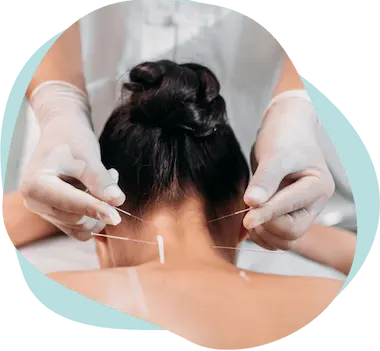
Six Treatment Options, Each With a Different Role
These services overlap in some of the problems patients bring to the office, but they do not work in exactly the same way and they are not interchangeable.
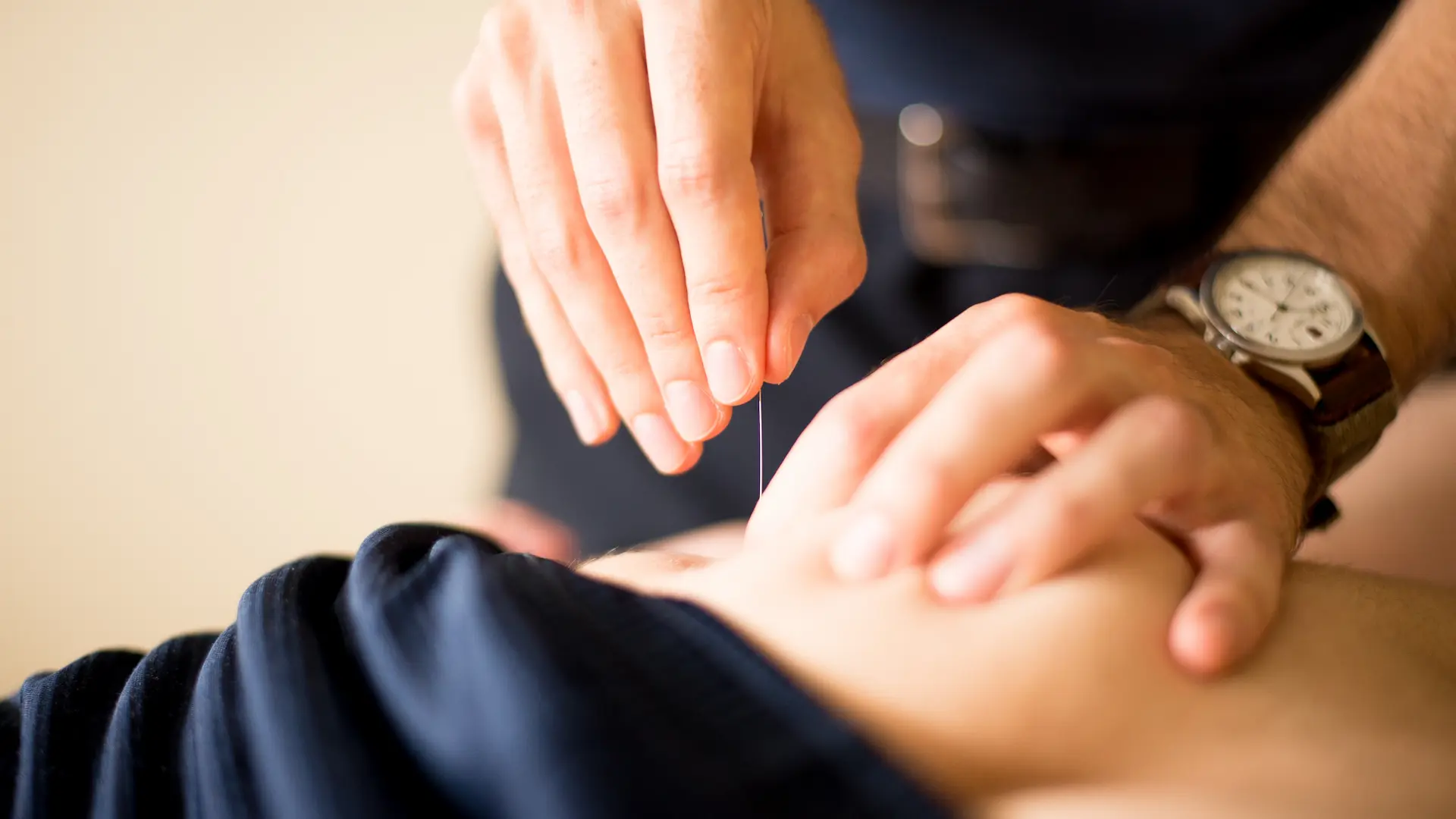
Acupuncture
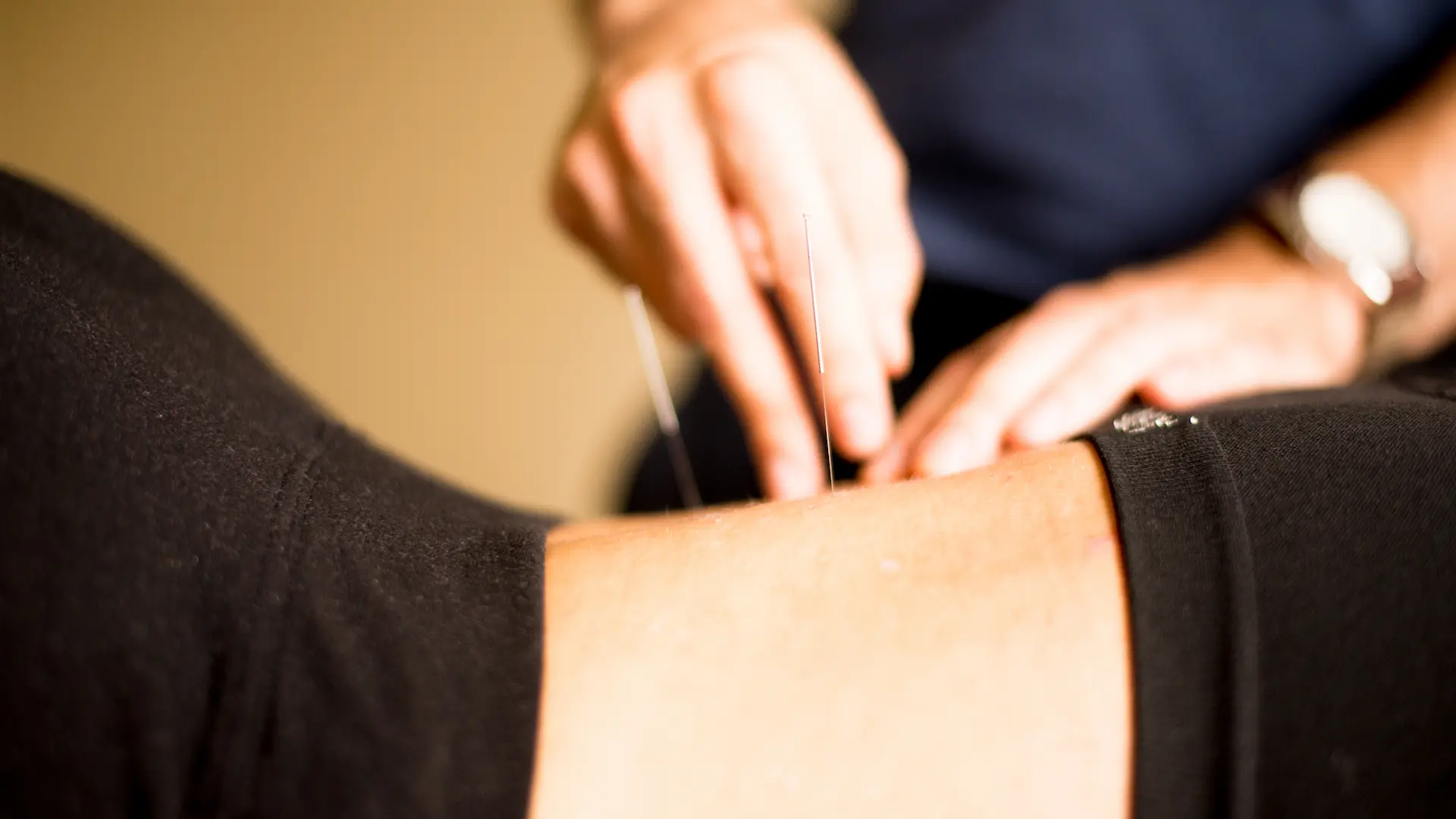
Acupuncture uses fine, sterile, single-use needles placed at selected points.
At Messina Acupuncture PC, acupuncture may combine orthopedic assessment with traditional acupuncture-point selection.
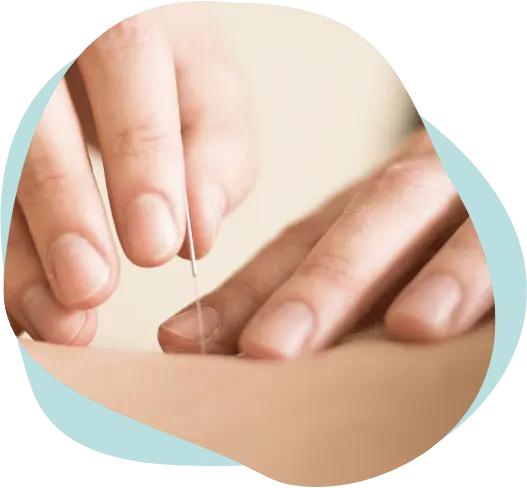
Dry Needling
Dry needling uses thin solid filament needles to stimulate selected muscle and myofascial areas.
It may be used when muscle tenderness, guarding or movement-related symptoms appear relevant to the patient's pain pattern.

Acupressure
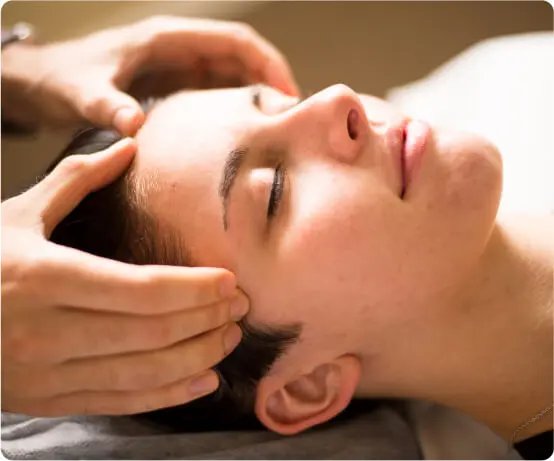
Acupressure uses targeted manual pressure on selected acupuncture points, tender regions or clinically relevant areas.
It offers a needle-free option for patients who prefer hands-on treatment.
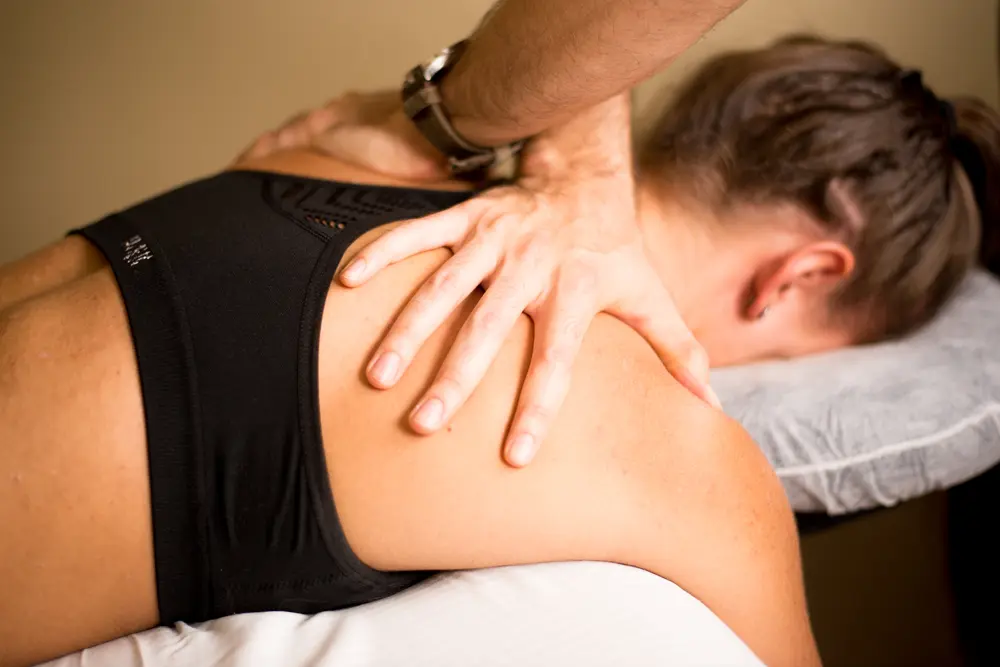
Medical Massage
Medical massage is goal-based massage therapy organized around a specific symptom, movement limitation or body region.
Pressure and techniques are adjusted according to the complaint, health history and patient comfort.
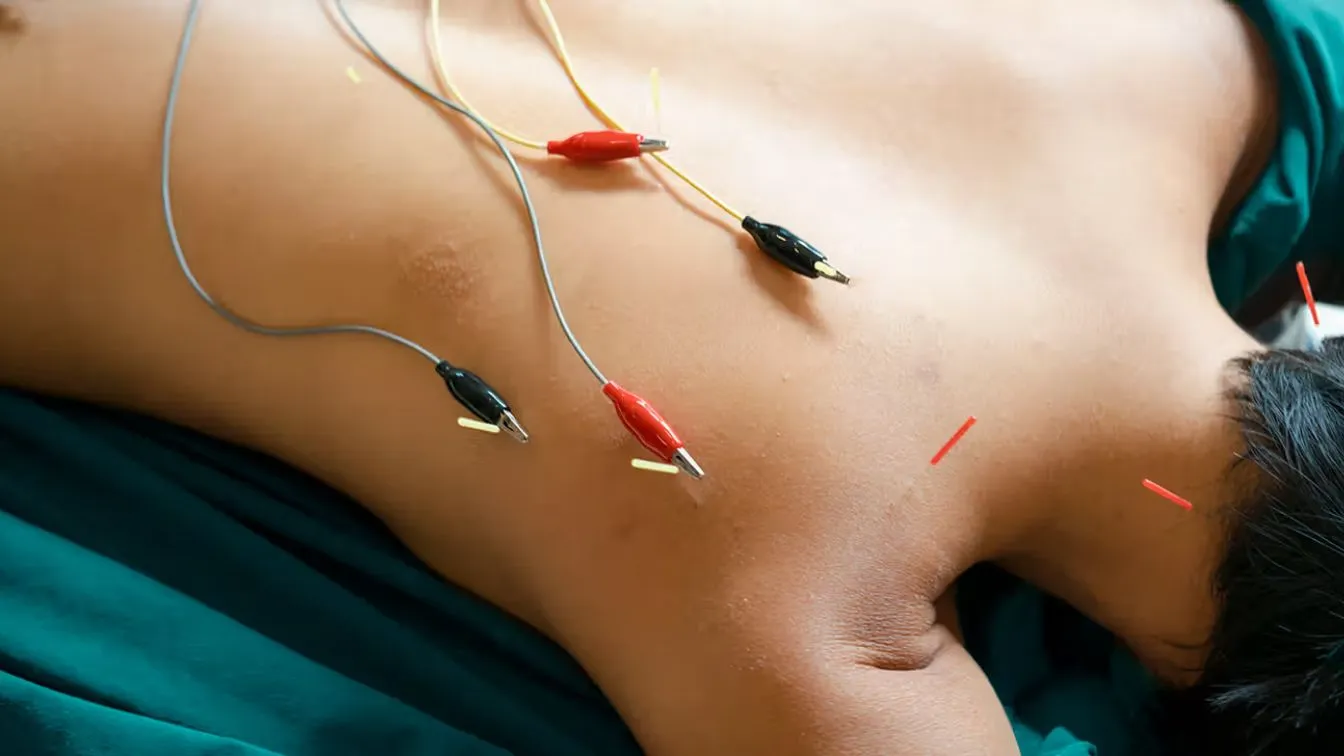
Electroacupuncture
Electroacupuncture combines acupuncture needles with controlled, low-level electrical stimulation through selected needles.
The stimulation pattern is adjustable and is used only when it fits the patient's presentation.
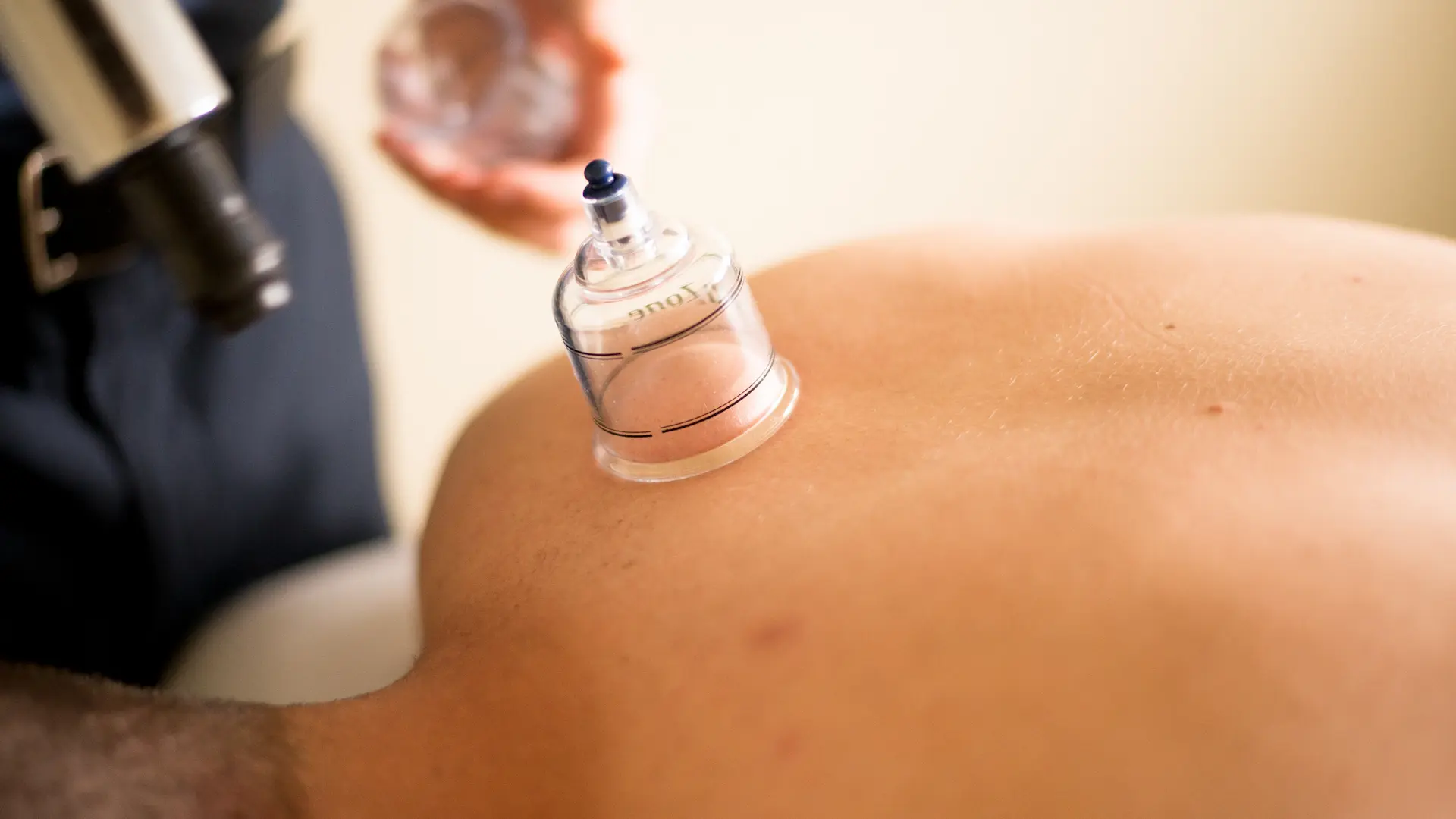
Cupping Therapy
Cupping applies controlled suction to the skin and superficial soft tissue for a limited period.
Suction level, cup placement and treatment duration are adjusted according to the body region and patient response.
Start With the Problem, Not the Treatment Name
Patients often arrive knowing where they hurt but not whether acupuncture, dry needling, massage or another service makes the most sense.
Tell Us Where It Hurts
Is the problem in your back, neck, shoulder, jaw, head, hip, knee or another region?
Tell Us What Triggers It
Sitting, lifting, running, turning your head, sleeping, chewing or another movement may help clarify the pattern.
Tell Us What You Want Back
The goal may be returning to training, sitting through work, sleeping comfortably, turning your head or moving with less pain.
You Do Not Need to Diagnose Yourself Before Booking
A painful muscle does not automatically mean dry needling. Chronic pain does not automatically mean electroacupuncture. Feeling tight does not automatically mean cupping.
The service should follow the clinical presentation, patient preference, safety screening and response to treatment.
Ask Where to StartStart With the Condition Page When the Symptom Pattern Is Clear
A service page explains the treatment tool. A condition page explains the problem and where complementary care may fit.
Back Pain
Low-back pain can involve muscles, joints, discs, nerves and referred pain patterns.
Neck Pain
Neck symptoms may involve stiffness, guarding, headache overlap or radiating symptoms.
Sciatica
Radiating leg pain can have several causes and deserves appropriate evaluation.
Headaches & Migraines
Explore migraine, tension-type and selected neck-related headache patterns.
TMJ Disorders
Jaw pain may overlap with clenching, facial muscle tenderness, neck symptoms and headaches.
Joint Pain
Shoulder, elbow, hip, knee, wrist and ankle symptoms need condition-specific evaluation.
Symptoms Do Not Always Fit Neatly Into One Treatment Box
Pain may involve more than one contributing factor. That is why a service should not be selected from a symptom checklist alone.
What Helps Determine the Treatment Plan?
The plan should be based on more than how long symptoms have been present.
What Makes It Better or Worse?
Sitting, walking, lifting, rotating, exercising or sleeping positions may provide useful information.
Does the Pain Stay Local or Travel?
Radiating symptoms can change the clinical reasoning and may require neurological screening.
What Function Is Limited?
Range of motion, gripping, bending, walking or another activity can provide an objective measure to reassess.
What Treatment Are You Comfortable With?
Some patients prefer needles. Others want a needle-free option. Comfort and preference are part of treatment planning.
Are There Reasons to Modify the Plan?
Pregnancy, medications, implanted devices, skin conditions, recent surgery and other health factors may change treatment selection.
Is Treatment Producing Meaningful Change?
Pain, range of motion, function or activity tolerance may be reassessed rather than assuming treatment should continue indefinitely.
How the Six Services Differ
This table is designed to help you understand the treatment tools, not diagnose which one you need.
| Service | Main Technique | Needles? | Typical Focus |
|---|---|---|---|
| Acupuncture | Selected acupuncture points using thin, sterile, single-use needles. | Yes | Condition-specific pain, headache and musculoskeletal care. |
| Dry Needling | Targeted needle stimulation of selected muscle or myofascial areas. | Yes | Muscle tenderness, guarding and selected movement-related symptoms. |
| Acupressure | Manual pressure at selected points or tender areas. | No | Needle-free, targeted hands-on care. |
| Medical Massage | Broader hands-on soft-tissue techniques. | No | Selected muscle tenderness, pain and mobility concerns. |
| Electroacupuncture | Controlled electrical stimulation through selected acupuncture needles. | Yes | Condition-specific acupuncture where electrical stimulation is appropriate. |
| Cupping | Controlled suction applied to the skin. | No | Selected musculoskeletal pain and soft-tissue symptoms. |
None of These Services Is Universally Better
A more aggressive, deeper or more technologically involved treatment is not automatically a better treatment.
The appropriate choice depends on the condition, safety, treatment goal and patient response.
Good Care Includes Knowing When Treatment Should Wait
Complementary care can be useful, but some symptoms deserve medical evaluation first.
These Services May Fit Selected Non-Urgent Pain Patterns
- recurring musculoskeletal pain,
- muscle tenderness or guarding,
- selected headaches or jaw discomfort,
- movement-related pain,
- chronic stiffness, and
- symptoms already evaluated as part of another medical or rehabilitation plan.
Red Flags Come Before Treatment Selection
- new or progressive weakness,
- significant numbness or neurological changes,
- bowel or bladder changes with back or leg symptoms,
- sudden severe or unusual headache,
- chest pain or difficulty breathing,
- fever or signs of infection,
- significant unexplained swelling, and
- major trauma or suspected fracture.
Questions Patients Ask Before Booking
How do I know which service to choose?
You do not need to choose perfectly before contacting us. Tell us where it hurts, how symptoms behave, what activities are limited and what you want to get back to doing.
What is the difference between acupuncture and dry needling?
Both use thin solid filament needles, but the clinical reasoning differs. Dry needling commonly focuses on selected muscle and myofascial findings, while acupuncture may use local and distal points within orthopedic and traditional acupuncture frameworks.
Which services do not use needles?
Acupressure, medical massage and cupping are needle-free. Acupuncture, dry needling and electroacupuncture involve needles.
Can services be combined?
Yes, when combining services fits the clinical presentation and patient preference. More treatments in one visit are not automatically better.
Is electroacupuncture better than regular acupuncture?
Not automatically. Electroacupuncture provides a different and more consistent stimulation pattern, but evidence varies by condition.
Does dry needling physically break up muscle knots?
Dry needling provides mechanical and sensory stimulation to selected tissue. Clinical improvement does not require describing a trigger point as a knot that has been physically broken apart.
Does cupping pull toxins out of the body?
No. Cupping creates local suction and vascular changes. The circular marks should not be interpreted as toxins leaving the body.
Is medical massage supposed to hurt?
No. Some techniques may create firm pressure or temporary tenderness, but severe pain is not required for medical massage to be useful.
Can I choose acupressure because I do not want needles?
Yes. Acupressure provides a needle-free option using targeted manual pressure. Patient preference is part of treatment planning.
How many visits will I need?
There is no fixed evidence-based number that applies to everyone. Visit frequency should depend on the condition, functional limitations, clinical response and whether meaningful improvement is occurring.
Will insurance cover every service?
No. Coverage varies by plan, diagnosis, benefits and how a service is billed. Contact the office to discuss available benefit verification.
Do I need a physician referral for acupuncture in New York?
No. A physician referral is not required to receive acupuncture from a New York licensed acupuncturist.
Tell Us What Hurts and What You Want to Get Back To
You do not need to know whether acupuncture, dry needling, acupressure, medical massage, electroacupuncture or cupping is the right first step. Start with the problem. We can help determine a reasonable care pathway.