
Dry Needling · Treatment Options · East Setauket, NY
Both trigger point injections and dry needling target the muscle knots behind stubborn pain, but they work differently: one delivers medication through a hollow needle, the other uses a thin solid needle and nothing else. Here is a clear comparison of the methods, the evidence, the risks, and how to choose with your clinician.
It usually starts with a knot that will not quit: a spot between the shoulder blades or deep in the hip that refers pain elsewhere and resists stretching, massage, and heat. When a patient arrives having been offered both dry needling and trigger point injections, the first question is always the same: which one actually works better? The honest answer is that they work differently, suit different situations, and the right choice depends on the person.
At Messina Acupuncture in East Setauket, our practice centers on dry needling as a non-pharmacological approach to trigger points. We explain both options plainly below, including when an injection-based approach through a medical provider may be the better fit. You can read more about our approach on our dry needling page.
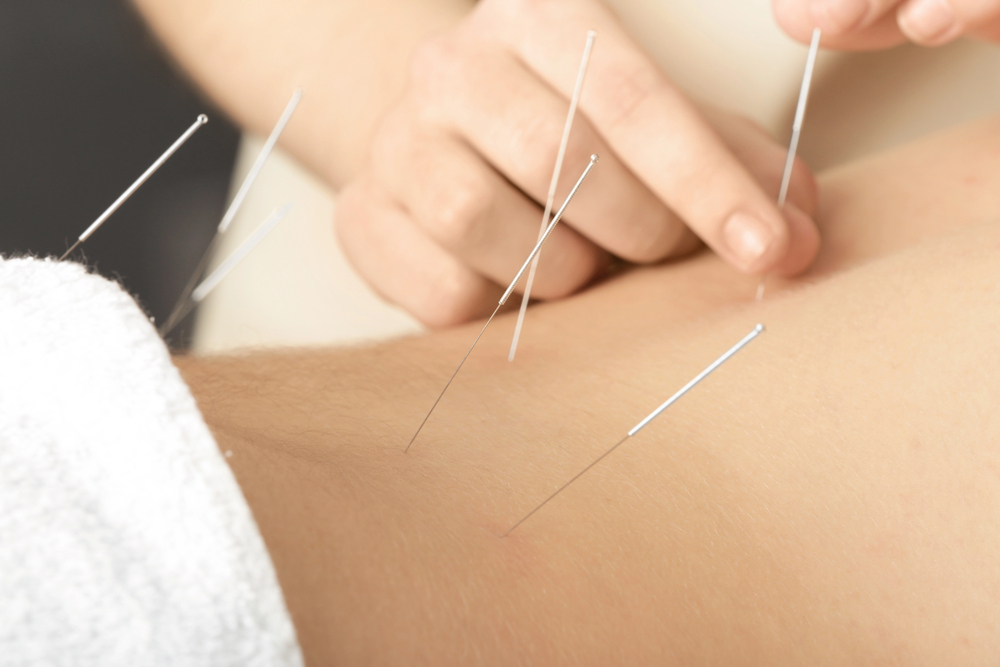
- Dry needling: a thin, solid filament needle is placed into the trigger point; no medication is delivered. The mechanical stimulation encourages the muscle to release
- Trigger point injections: a hollow needle delivers a local anesthetic, saline, or sometimes a corticosteroid into the trigger point to quiet it
- Speed vs. approach: injections may provide faster relief because of the medication; dry needling avoids medication entirely and usually works over a short series
- Risk profiles differ: dry needling: mainly temporary soreness or minor bruising; injections: add infection risk and possible medication reactions, though serious events are uncommon
- No universal winner: the right choice depends on symptom severity, treatment goals, medical history, and personal preference, discussed with a qualified clinician
What Is Dry Needling?
Dry needling involves inserting a thin, sterile, single-use filament needle directly into a myofascial trigger point. The goal is mechanical: the needle stimulates the tight band of muscle, often producing a brief local twitch response, which encourages the muscle to relax and release the knot. ‘Dry’ distinguishes it from injections: nothing is delivered through the needle. It is commonly performed by trained physical therapists and acupuncturists, and it suits patients who prefer a non-pharmacological approach and are comfortable with a short series of sessions.
What Are Trigger Point Injections?
Trigger point injections use a hollow needle to deliver a solution directly into the trigger point. The injectate is commonly a local anesthetic such as lidocaine, sometimes saline, and in some practices a corticosteroid. The medication aims to inactivate the trigger point and quiet the pain quickly, which is often the deciding factor for patients in severe discomfort. Because it is a medical procedure involving medication, it must be performed by an appropriately licensed medical professional, such as a physician or nurse practitioner.
Comparing the Methods
Effectiveness
Both approaches can reduce trigger-point pain. Dry needling has the stronger published evidence base for myofascial pain, with a 2017 meta-analysis finding short-term pain reduction compared with sham or no treatment. Evidence for injections varies with the injectate, and direct head-to-head trials comparing injections with dry needling are limited. In practice, injections are often chosen when rapid relief matters most, while dry needling is chosen for a gradual, medication-free course.
Treatment Process and Comfort
Dry needling can be briefly uncomfortable as the needle contacts the trigger point; the resulting twitch is often taken as a sign the treatment has engaged the right spot. Injections may be more painful at the moment of delivery because fluid is being introduced into the tissue, though the anesthetic usually brings relief quickly afterward. Neither is described by most patients as severe, and both are brief procedures.
Safety and Side Effects
Both are considered safe when performed by trained professionals, with different risk profiles. Dry needling’s most common effects are temporary soreness and minor bruising or bleeding at the needle site. Injections carry those same possibilities plus the small risks inherent to any injection: infection and reactions to the medication used. Serious complications from either are uncommon, but the injection route adds considerations that deserve discussion with the medical provider.
Cost and Accessibility
Dry needling is often less expensive than trigger point injections and is widely offered by physical therapists and acupuncturists. Injections, as a medical procedure, typically cost more and require a physician or other licensed medical provider, which can affect scheduling and convenience. Actual costs vary widely by provider and region, so treat this as a general pattern rather than a rule.
Choosing the Right Treatment
Consider these factors with your clinician. Severity of symptoms: if you are in severe pain and need quick relief, injections may be the better fit; for ongoing issues that can take a gradual approach, dry needling often works well. Treatment goals: if avoiding medication matters to you, dry needling is the natural choice. Medical history: medication allergies, bleeding disorders, and other conditions affect which option is safer, so disclose them fully. Personal preference: some people strongly prefer to avoid injected medication, while others prefer the fastest possible relief. Your comfort with each procedure should guide the decision alongside the clinical factors.
What to Expect at Messina Acupuncture
A candid comparison conversation
We assess your trigger points, review your history and goals, and explain which option fits your situation, including when we think a medical provider’s injection approach would serve you better.
Precise dry needling treatment
If dry needling is the choice, we map your active trigger points and treat them with sterile single-use needles, tracking your response visit to visit.
Coordination, not competition
If injections are more appropriate, we say so and help you have an informed conversation with your physician. Our goal is the right treatment, not necessarily ours.
Frequently Asked Questions
Which works better: injections or dry needling?
Neither is universally superior. Injections may provide faster relief because of the medication delivered; dry needling offers a medication-free approach that works over a short series. Limited head-to-head research exists, so the choice usually comes down to your severity, goals, history, and preference.
Which one hurts more?
Experiences vary. Dry needling often causes a brief twitch or cramp at the trigger point. Injections can sting more at the moment fluid enters the tissue, but the anesthetic typically brings quick relief afterward. Most patients describe both as brief and tolerable.
How many sessions will I need?
Dry needling typically involves a short series, often weekly at first. Injections are sometimes given as a single treatment or a small series spaced weeks apart. Your clinician sets expectations based on your pattern.
Can I try dry needling first and get injections later?
Yes. Many patients start with the less invasive option and escalate if needed. There is no rule against sequencing them; discuss the plan with your providers so everyone is coordinated.
Are trigger point injections the same as cortisone shots?
Not exactly. Trigger point injections most commonly use a local anesthetic or saline; corticosteroid is only one possible injectate and is used less often for pure trigger points. Ask the medical provider what will be injected and why.
Does insurance cover these treatments?
Coverage varies by plan, diagnosis, and provider type. Our office can verify your dry needling benefits before treatment. For injections, check with the medical provider’s office. Call (631) 403-0504 and we will help you understand your options.
Not Sure Which Option Fits?
If a stubborn trigger point is limiting your life, start with an honest assessment. Book a visit and we will help you choose the right path, even if it is not with us.
Messina Acupuncture PC
100 N Country Road, East Setauket, NY 11733