
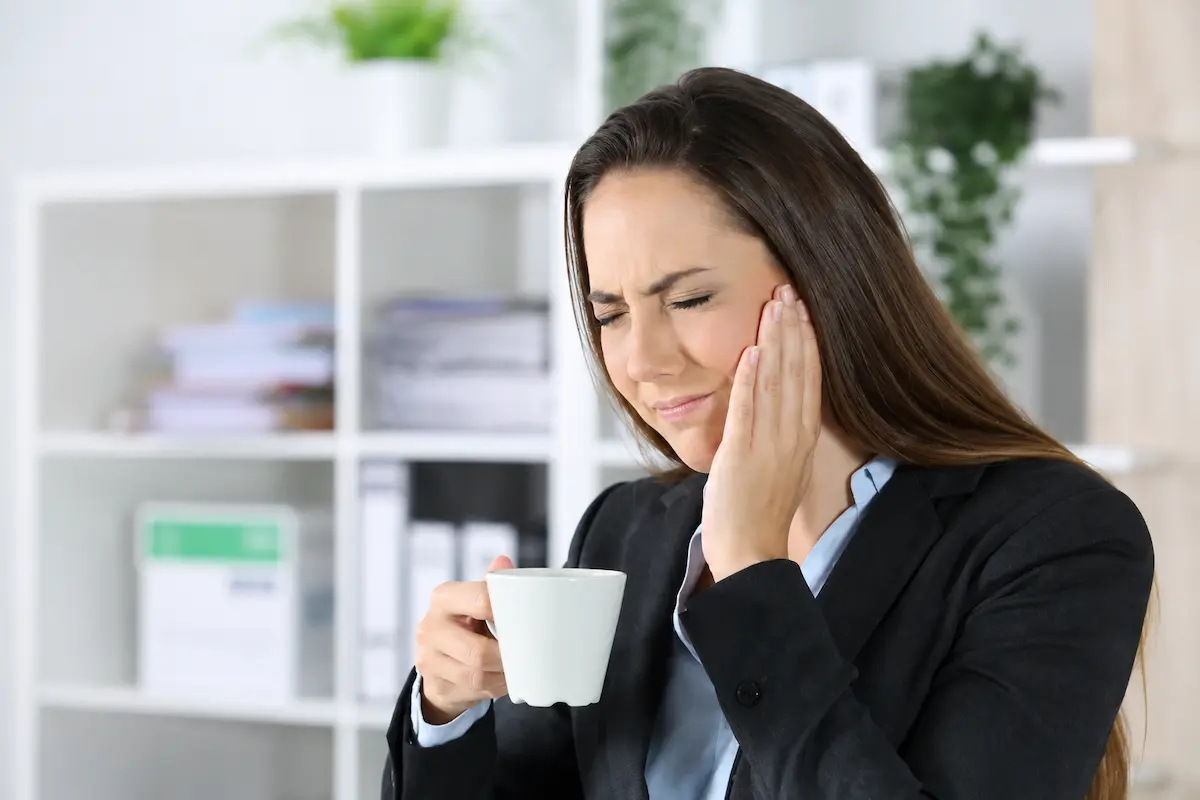
Temporomandibular disorders cause jaw pain, clicking, limited opening, and headaches that many patients do not connect to the jaw at all. This evidence-based guide for Setauket patients explains what TMD actually is, how acupuncture and dry needling may ease jaw pain and muscle tension, what the 2024 research found, and how treatment pairs with dental care.
She thought she had chronic tension headaches until a dentist pointed out the real culprit: she was clenching her jaw through every stressful workday, and the masseter muscles at her jaw angles were tender to the touch. The headaches, the ear fullness, the jaw that ached after long days at the computer, it was all temporomandibular disorder, and she had never heard the term.
TMD is common, underdiagnosed, and very treatable with conservative care. At Messina Acupuncture in Setauket, we work with TMD patients regularly, coordinating with dentists and physical therapists. Here is what the condition is, what acupuncture and dry needling may do for it, and what the research honestly shows.
Key Takeaways
- What TMD is: an umbrella term for disorders of the jaw joint, the chewing muscles, or both. The three main categories are muscle disorders, disc displacement, and arthritic joint changes. Most cases are muscular and respond to conservative care.
- Stress and clenching: daytime clenching and nighttime grinding (bruxism) overload the masseter, temporalis, and pterygoid muscles. Stress management is part of treatment, not an afterthought.
- How acupuncture may help: reducing masseter and temporalis muscle tension, modulating jaw pain signaling, improving mouth opening, and calming the nervous system hyperarousal that drives clenching.
- The evidence: a 2024 systematic review of 10 trials found acupuncture effective versus placebo for TMD pain and muscle palpation tenderness, with the best results when combined with an occlusal device. Evidence is short-term; long-term data are limited.
- With dental care: acupuncture pairs well with a night guard, dental evaluation, and physical therapy. It does not replace dental treatment for structural joint problems.
- Red flags: jaw locking shut, trauma to the jaw, facial numbness, or rapidly worsening swelling need prompt medical or dental evaluation.
What Temporomandibular Disorders Actually Are
TMD is an umbrella term, not a single diagnosis, and the category determines the treatment. Muscle disorders, the most common type, involve pain and dysfunction in the masseter, temporalis, and pterygoid muscles, usually from clenching or grinding. Disc displacement involves the articular disc slipping forward, causing clicking, popping, or intermittent locking. Arthritic changes involve degeneration within the joint itself. Most cases we see are primarily muscular, which is also the category most responsive to acupuncture and dry needling. A dental evaluation helps confirm which category you are in.
The Stress-Clenching Connection
Many TMD patients clench during the day without realizing it: at the computer, in traffic on 347, during difficult conversations. Nighttime grinding adds hours of load while you sleep. The masseter is one of the strongest muscles in the body relative to its size, and chronic overuse creates trigger points that refer pain to the temples, the ears, and the teeth, which is why TMD is so often mistaken for headaches, ear infections, or tooth problems. Treatment has to address the clenching behavior, not just the sore muscles, which is why stress management and habit awareness are built into the plan.
How Acupuncture and Dry Needling Help Jaw Pain
Acupuncture for TMD focuses on the chewing muscles and the nervous system driving them. Needling the masseter, temporalis, and surrounding points may reduce muscle hypertonicity, modulate the trigeminal pain signaling involved in jaw pain, and improve comfortable mouth opening. For appropriate patients we add dry needling of masseter and temporalis trigger points, which directly deactivates the taut bands that refer pain to the temples and ears. Sessions also include points for stress regulation, because a calmer nervous system clenches less. Treatment is coordinated with your dentist’s plan, including any night guard.
Our Approach at Messina Acupuncture
Every TMD case starts with a dental history: do you have a night guard, has a dentist evaluated the joint, is there clicking or locking? We palpate the masseter, temporalis, and pterygoids, measure comfortable mouth opening, and screen for cervical involvement, because neck tension and jaw tension travel together. Point selection is individualized, but commonly includes local jaw points (ST6, ST7), distal regulatory points (LI4, LV3), and auricular points for the stress component. We reassess mouth opening and pain scores at regular intervals.
What a Typical Course Looks Like
Plans often run 6 to 10 sessions over 6 to 8 weeks for muscular TMD. Many patients notice reduced morning jaw soreness within the first few sessions; improvements in mouth opening and headache frequency typically follow. Night guard compliance matters enormously: acupuncture cannot outpace eight hours of unprotected grinding every night. Between visits, we teach jaw relaxation habits, gentle opening exercises, and awareness of daytime clenching. Disc displacement with locking and arthritic joint changes need dental or specialist management alongside any acupuncture, with more modest expectations.
Evidence Note: favorable for short-term TMD pain, limited long-term data
A 2024 systematic review and meta-analysis (Tardelli et al., Heliyon: 10 randomized trials) found acupuncture effective compared with placebo for TMD pain and muscle palpation tenderness, with the best results when acupuncture was combined with an occlusal (night guard) device. A 2025 network meta-analysis (45 studies, 2,211 participants) found acupuncture reduced TMD pain more than sham. Honest limits: the evidence is short-term, there is no standardized acupuncture protocol for TMD, and long-term data are limited. Our take: acupuncture and dry needling are reasonable conservative options for muscular TMD, best combined with a night guard and dental care, not a fix for structural joint problems.
Your First Visits, Step by Step
Assessment and first treatment (60 to 75 minutes)
We review your dental history and night guard use, palpate the jaw muscles, measure comfortable mouth opening, and screen for cervical involvement. Treatment begins the same day when appropriate.
Follow-up sessions (30 to 45 minutes)
Plans often run 6 to 10 sessions over 6 to 8 weeks for muscular TMD. Dry needling of masseter and temporalis trigger points may be added. We track mouth opening and pain scores at intervals.
After each visit
Mild jaw soreness is possible after dry needling and usually resolves within a day. Practice the jaw relaxation and clenching-awareness habits between visits, and wear your night guard as your dentist directed.
Why Choose Licensed Care
Licensed and coordinated care. Before booking acupuncture anywhere, confirm three things: the practitioner is licensed in New York State, they use sterile single-use needles, and they will communicate with your dentist or physical therapist. Messina Acupuncture meets all three, and we coordinate with dental and medical providers across Long Island.
See your dentist or physician promptly for a jaw locked shut or that will not open, jaw trauma or suspected fracture, facial numbness or weakness, rapidly worsening swelling, or severe tooth pain with fever. Acupuncture is for diagnosed temporomandibular disorders, not for evaluating trauma, infection, or neurological symptoms. Structural joint problems like advanced disc displacement need dental or specialist management.
Frequently Asked Questions
Is acupuncture painful for TMJ?
Most patients describe a brief ache at the jaw points, then relief as the muscle releases. Dry needling of the masseter can cause a brief twitch response that patients usually describe as strange rather than painful. Tell us if you are sensitive and we will adjust.
How many sessions will I need?
Plans often run 6 to 10 sessions over 6 to 8 weeks for muscular TMD. Many patients notice reduced morning soreness within the first few sessions. We track mouth opening and pain scores objectively.
Should I still wear my night guard?
Yes. Acupuncture cannot outpace eight hours of unprotected grinding every night. The research found the best results when acupuncture was combined with an occlusal device. Keep following your dentist’s guidance.
Can acupuncture fix jaw clicking or locking?
It depends on the cause. Clicking from muscular dysfunction often improves as the muscles calm. Structural disc displacement with locking needs dental or specialist management, with more modest expectations from acupuncture alone.
Does insurance cover acupuncture for TMJ in New York?
Some commercial plans cover acupuncture for chronic pain conditions including TMD. Call our front desk at 631-403-0504 and we will verify your benefits before your first visit.
What can I do at home between sessions?
Practice jaw relaxation: lips together, teeth apart, tongue resting on the roof of the mouth. Notice and stop daytime clenching. Apply gentle warmth to sore jaw muscles, avoid gum chewing and very hard foods during flares, and wear your night guard.
Ready to Unclench?
If jaw pain, morning soreness, or tension headaches are part of your daily pattern, a conservative plan coordinated with your dental care may be what has been missing. We will assess your jaw, measure your progress objectively, and tell you honestly what acupuncture can do for your specific type of TMD. Call to schedule your initial evaluation.
Messina Acupuncture PC
100 N Country Road, East Setauket, NY 11733
Sources and Further Reading
- Tardelli et al. Effectiveness of acupuncture for temporomandibular disorders: a systematic review and meta-analysis. Heliyon, 2024.
- Network meta-analysis of acupuncture therapies for temporomandibular disorders. 2025.
- National Center for Complementary and Integrative Health: Acupuncture effectiveness and safety.
- New York State Office of the Professions: Acupuncture consumer information.