
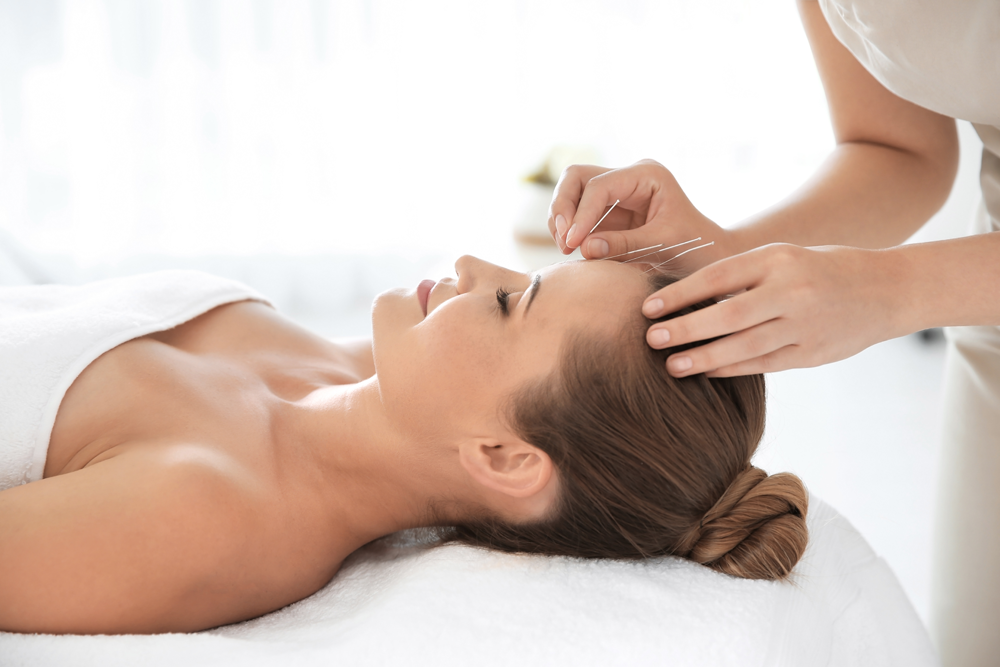
Women's Health & Acupuncture in East Setauket
Acupuncture is often promoted online as a way to "balance hormones," improve fertility, regulate periods, ease pregnancy symptoms, or manage menopause. Some of those claims go much further than the research supports. The more useful question is where acupuncture may reasonably complement medical care and where established gynecologic, fertility, or obstetric treatment needs to remain the priority.
Can Acupuncture Support Women's Health?
Possibly, depending on the symptom. Acupuncture and acupressure may be useful complementary options for some types of menstrual pain. Some people also report improvement in menopausal symptoms. Acupuncture has been studied during fertility treatment, pregnancy, and for several gynecologic conditions.
What the research does not establish is that acupuncture reliably "balances hormones," corrects the hypothalamic-pituitary-ovarian axis, restores ovulation, increases egg quality, or improves IVF live-birth rates.
At Messina Acupuncture PC, we believe those distinctions matter. Acupuncture should complement appropriate medical care rather than compete with it.
Does Acupuncture Actually Balance Hormones?
"Hormonal balance" is a common wellness phrase, but it is not a precise medical diagnosis. Estrogen, progesterone, follicle-stimulating hormone, luteinizing hormone, thyroid hormones, insulin, and other hormones each perform different jobs and change for different reasons.
Acupuncture has been studied for possible effects involving the nervous system, pain pathways, stress responses, circulation, and hormonal signaling. That research is interesting, but it does not justify telling a patient that acupuncture predictably resets the HPO axis or normalizes reproductive hormones.
Why This Distinction Matters
Irregular periods, missed periods, abnormal bleeding, infertility, acne, unexpected hair growth, pelvic pain, and menopausal symptoms can have very different causes.
Those symptoms may involve PCOS, endometriosis, thyroid disease, fibroids, perimenopause, pregnancy, medication effects, metabolic conditions, or other medical issues. Acupuncture should not be used to bypass appropriate diagnosis.
Acupuncture for Painful Periods
Painful menstruation is called dysmenorrhea. Primary dysmenorrhea is commonly associated with prostaglandins, natural chemicals that cause the uterus and its blood vessels to contract during menstruation.
The American College of Obstetricians and Gynecologists notes that acupuncture and acupressure may be useful options for painful periods. That makes menstrual pain one of the more reasonable women's-health symptoms for discussing acupuncture as complementary care.
Cramping Without Another Known Disorder
Acupuncture or acupressure may be considered alongside strategies such as heat, exercise, adequate sleep, and appropriate pain medication when recommended by your healthcare provider.
When Pain Needs More Investigation
Pain that is severe, progressively worsening, occurs outside menstruation, causes pain with sex, or is accompanied by unusual bleeding deserves gynecologic evaluation for conditions such as endometriosis, fibroids, ovarian cysts, or other causes.
Acupuncture may help with pain for some patients, but we would not describe the mechanism as "washing prostaglandins away" or forcing blood through the pelvis. Those explanations go beyond what has been established.
Acupuncture and Fertility: What Does the Evidence Show?
Fertility is one of the areas where acupuncture marketing often exceeds the evidence.
Acupuncture has been studied before and during IVF, around embryo transfer, and during other fertility treatment. However, high-quality evidence has not consistently shown that acupuncture improves pregnancy or live-birth rates.
Acupuncture Should Not Be Marketed as a Way to Increase IVF Success
The National Center for Complementary and Integrative Health summarizes a review of more than 2,500 IVF participants in which acupuncture did not produce higher pregnancy or live-birth rates than sham acupuncture.
The American Society for Reproductive Medicine has similarly concluded that acupuncture performed around embryo transfer has not been shown to improve live-birth rates.
For unexplained infertility, European fertility guidance also states that evidence for acupuncture is limited and low quality.
Can Someone Still Use Acupuncture During Fertility Treatment?
Yes, if their reproductive endocrinologist or fertility team has no objection and the patient finds acupuncture helpful for relaxation, musculoskeletal discomfort, stress-related physical tension, headaches, or another symptom.
The key is being clear about the goal. Feeling more comfortable during a demanding IVF cycle is different from claiming that acupuncture increases egg quality, prevents uterine contractions, improves implantation, or raises the chance of a live birth.
What About PCOS?
Polycystic ovary syndrome is a complex endocrine and metabolic condition associated with ovulatory dysfunction, androgen excess, and sometimes insulin resistance.
Current evidence-based PCOS management depends on the patient's symptoms and goals and may involve lifestyle measures, metabolic screening, hormonal treatment, fertility treatment, or other medical care.
Acupuncture research in PCOS is ongoing, but it is not appropriate to promise that electroacupuncture will lower insulin and testosterone, restore ovulation, or allow patients to avoid standard fertility medications.
Anyone with irregular cycles, signs of androgen excess, fertility concerns, or suspected PCOS should have the condition evaluated and managed through an appropriate medical provider.
Acupuncture and Endometriosis
Endometriosis is a chronic condition involving endometrial-like tissue outside the uterus. It can cause significant pelvic pain, painful periods, pain with sex, bowel or bladder symptoms, and fertility problems.
Acupuncture may be considered by some patients as part of a broader pain-management plan. It does not diagnose endometriosis, remove endometriosis lesions, or replace gynecologic evaluation.
Pelvic Pain Deserves a Diagnosis
Persistent or severe pelvic pain should not simply be labeled "stagnation" and treated indefinitely with acupuncture.
If symptoms suggest endometriosis or another pelvic disorder, appropriate medical evaluation is important even when acupuncture is being used to help manage discomfort.
Pregnancy Nausea and Acupressure
The PC6, or P6, point on the inner wrist is one of the most commonly studied acupuncture and acupressure points for nausea. Some pregnant patients use manual pressure or wristbands over this point as a simple complementary strategy for morning sickness.
Evidence during pregnancy is mixed, however, so it should not be described as universally effective or risk-free.
If nausea is persistent or severe, you cannot keep fluids down, you are losing weight, or you have signs of dehydration, contact your obstetric provider. Severe pregnancy nausea can require medical treatment.
Tell Your Acupuncturist That You Are Pregnant
Pregnancy changes how acupuncture treatment should be planned. Rather than relying on internet lists of supposedly "safe" and "forbidden" acupuncture points, work with a licensed acupuncturist who knows you are pregnant and coordinate care with your OB-GYN, midwife, maternal-fetal medicine specialist, or other obstetric provider.
Acupuncture should never delay urgent pregnancy-related medical assessment.
What About Breech Presentation and Moxibustion?
Moxibustion has been studied for breech presentation, but this is a specialized pregnancy question rather than something we recommend presenting as a general at-home women's health protocol.
Fetal position, gestational age, placental position, pregnancy complications, and the obstetric plan all matter. Patients concerned about breech presentation should discuss options first with their obstetric provider.
Acupuncture for Menopause Symptoms
Menopause and the years leading up to it can include hot flashes, night sweats, sleep changes, mood changes, vaginal symptoms, headaches, and musculoskeletal discomfort.
Acupuncture has been studied for menopausal hot flashes and vasomotor symptoms, but the findings are mixed.
How to Interpret the Menopause Research
Some clinical studies have found reductions in hot-flash frequency or severity and improvements in quality-of-life measures when acupuncture was compared with no acupuncture.
ACOG notes that acupuncture may be worth trying for some patients who are bothered by hot flashes or night sweats.
NCCIH notes that studies comparing real acupuncture with simulated or sham acupuncture have often found little or no difference between the groups.
Acupuncture should therefore not be described as a proven hormonal treatment or as being equivalent to menopause hormone therapy.
Acupuncture Is Not an Alternative to All Conventional Care
Women's healthcare does not need to be framed as a competition between acupuncture and conventional medicine.
Birth control, hormone therapy, metformin, fertility medication, pain medication, surgery, psychotherapy, physical therapy, and other treatments each have particular indications, benefits, limitations, and risks.
Acupuncture can sit alongside appropriate medical treatment when a patient and her healthcare team decide that complementary care makes sense.
We would not tell a patient to stop prescribed treatment because acupuncture is somehow correcting the "root cause." That decision belongs between the patient and the clinician managing the condition.
What Should a Women's Health Acupuncture Visit Look Like?
If you are considering acupuncture while managing a gynecologic, reproductive, pregnancy-related, or menopausal concern, communication matters.
Tell Us the Diagnosis and Current Medical Plan
Share relevant diagnoses, medications, fertility treatment, pregnancy status, surgeries, hormone therapy, and specialist care.
Define the Actual Symptom Goal
Rather than using a vague goal such as "balance my hormones," identify what you actually want to change, such as period pain, headache frequency, neck tension, sleep disruption, or another measurable symptom.
Use Acupuncture as Complementary Care
Treatment should support the care you are already receiving and should not interfere with prescribed medication, fertility treatment, prenatal care, or necessary diagnostic work.
Reassess Whether It Is Helping
Continued treatment should depend on meaningful changes in the symptom being tracked rather than on a predetermined package or a promise that hormones need months of acupuncture to "reset."
When to Contact Your Medical Provider First
Some Women's Health Symptoms Need Medical Evaluation
Contact an appropriate healthcare professional for severe or worsening pelvic pain, unusually heavy bleeding, bleeding between periods or after menopause, persistent missed periods, a new pelvic mass or swelling, suspected pregnancy complications, significant unexplained weight changes, severe pregnancy vomiting, or other symptoms that are new, persistent, or concerning.
Acupuncture should never delay emergency care or evaluation for a potentially serious gynecologic, obstetric, or medical problem.
Where Messina Acupuncture Fits
Messina Acupuncture PC is primarily an orthopedic-focused acupuncture practice. Many women who come to the East Setauket office are seeking care for problems such as back pain, neck pain, headaches and migraines, TMJ-related jaw tension , joint pain, and physical tension associated with stress.
If a patient is also navigating menstruation, fertility treatment, pregnancy, PCOS, endometriosis, or menopause, we want that care coordinated appropriately rather than treated as though acupuncture replaces an OB-GYN or reproductive specialist.
Learn more about acupuncture at Messina Acupuncture PC .
Care at Messina Acupuncture PC is led by Daniel Messina, MSOM, L.Ac., a New York State Licensed Acupuncturist and NCCAOM Board-Certified Diplomate.
The practice has served East Setauket and Long Island's North Shore since 2016.
Frequently Asked Questions
Does acupuncture balance hormones?
Research has explored possible effects of acupuncture on neurological, stress-related, and hormonal pathways, but current evidence does not show that acupuncture predictably normalizes reproductive hormones or "resets" the hormonal system. Symptoms suggesting a hormonal disorder should be medically evaluated.
Can acupuncture help painful periods?
ACOG notes that acupuncture and acupressure may be useful for painful periods. Severe, worsening, or unusual period pain should still be evaluated to rule out conditions such as endometriosis or another gynecologic disorder.
Does acupuncture increase IVF success rates?
High-quality evidence has not consistently shown that acupuncture improves IVF pregnancy or live-birth rates. Acupuncture may still be used for comfort or other symptoms during fertility treatment, but it should not be marketed as a proven way to increase the chance of having a baby.
Can acupuncture restore ovulation in PCOS?
Current evidence does not support guaranteeing that acupuncture will lower androgen levels, correct insulin resistance, or restore ovulation. PCOS requires appropriate medical evaluation and individualized treatment.
Can acupuncture treat endometriosis?
Acupuncture may be considered as complementary pain-management care for some people, but it does not remove endometriosis lesions or replace diagnosis and treatment from a gynecologic provider.
Is acupuncture safe during pregnancy?
Acupuncture can be used during pregnancy in appropriate circumstances, but pregnancy requires additional clinical precautions. Tell the practitioner that you are pregnant and coordinate treatment with your obstetric provider.
Can acupuncture help menopause symptoms?
Some studies suggest acupuncture may reduce hot flashes or other menopausal symptoms for some patients, particularly compared with receiving no acupuncture. Research comparing acupuncture with sham treatment has been less convincing, so results should not be guaranteed.
Should I stop my medication if I start acupuncture?
No. Do not stop birth control, hormone therapy, fertility medication, metformin, pain medication, antidepressants, or other prescribed treatment because you begin acupuncture unless the prescribing healthcare professional tells you to make that change.
Have Questions About Whether Acupuncture Fits Your Care?
If you are managing pain, headaches, jaw tension, musculoskeletal symptoms, or another concern while also navigating a women's health condition, contact Messina Acupuncture PC. We can discuss whether acupuncture may be a reasonable complement to the medical care you already receive.
Messina Acupuncture PC
100 N Country Road, East Setauket, NY 11733
Medical Sources Reviewed for This Article
This article was updated using guidance and evidence summaries from the American College of Obstetricians and Gynecologists, the National Center for Complementary and Integrative Health, the American Society for Reproductive Medicine, and the European Society of Human Reproduction and Embryology.
Medical evidence changes over time. This article is educational and is not a substitute for diagnosis or individualized advice from your physician, OB-GYN, fertility specialist, or other healthcare professional.