
Medical Massage · Stroke Recovery · East Setauket, NY
Stroke recovery is rarely a straight line: muscles tighten, sensation changes, and daily tasks take renewed effort. Massage cannot treat a stroke or replace rehabilitation, but as supportive care it may ease stiffness, improve comfort, and help survivors participate more fully in their rehab.
Her husband had a stroke last spring and came home from rehab able to walk short distances, but his affected arm stays tight and his shoulder aches constantly. She is looking for something gentle that might ease his stiffness between therapy appointments, and she wants to be sure it is safe.
That caution is exactly right, and we share it. At Messina Acupuncture, massage for stroke survivors is slow, gentle, and coordinated with the medical team. Here is what it can offer and how we keep it safe.
- Supportive, not curative: massage does not treat stroke itself. It may ease muscle tightness, discomfort, and stress alongside rehabilitation.
- Possible benefits: better circulation to underused areas, reduced stiffness, improved comfort and sleep, and a calmer stress response.
- Medical team first: begin only with clearance from the physician or rehab team. We coordinate with them; we never replace them.
- Gentle by design: slow pace, careful pressure, close observation, and constant communication.
- A long-term tool: many survivors use ongoing sessions to manage tightness and stay comfortable months or years later.
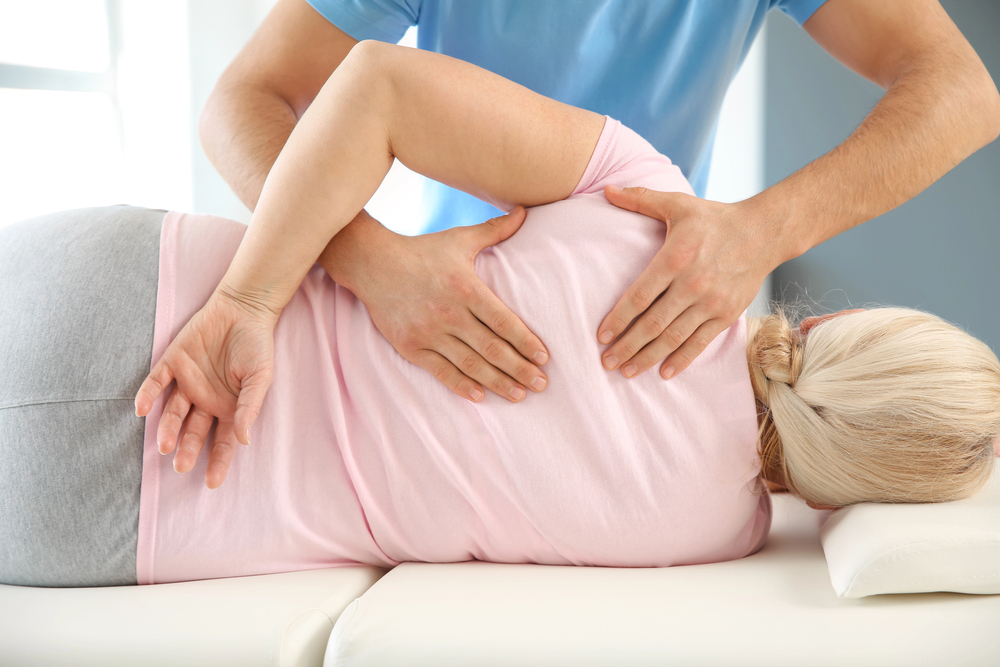
What Massage May Support After a Stroke
After a stroke, the affected side often changes in several ways at once. Muscles may become tight or develop spasticity. Areas that move less can feel cold or heavy as circulation slows. Swelling sometimes appears in the hand or foot. And pain, especially shoulder pain on the affected side, is common.
Massage cannot change the neurological injury. But skilled, gentle bodywork can encourage blood flow to underused areas, help tight muscles relax, and reduce the discomfort that makes daily life harder. For many survivors, the simple experience of the affected side being cared for matters too.
Stress, Sleep, and Emotional Recovery
Recovery from a stroke is physically demanding and emotionally heavy. Anxiety, frustration, and disrupted sleep are common, and tension accumulates in the shoulders, neck, and jaw. Massage activates the parasympathetic nervous system, the body’s rest-and-digest branch: breathing deepens, heart rate eases, and guarded muscles begin to let go.
Many survivors and caregivers report better sleep and a calmer mood with regular gentle sessions. That is not a small thing when the days are hard.
Stiffness, Spasticity, and Joint Comfort
Muscle tightness after stroke ranges from mild stiffness to spasticity, where muscles resist stretching involuntarily. Spasticity itself is a medical issue managed by the physician and rehab team, often with medications, bracing, or targeted therapies.
Massage sits alongside that care. Gentle, sustained work may help tight muscles feel looser and more comfortable, which can make stretching, positioning, and participation in physical therapy easier. We work within the limits your rehab team sets and never push through resistance that the team has flagged.
Reconnecting With the Body
Stroke can dull sensation or change how the affected side feels, and some survivors describe the limb as foreign. Slow, attentive touch can help rebuild sensory awareness and body confidence. This part of the work is unhurried and nonjudgmental: we follow your comfort, check in often, and stop whenever you ask.
Caregivers are welcome in the room. Many families find that learning a few simple, safe techniques for home use extends the benefit between sessions.
Combining Massage With Acupressure and Acupuncture
Some survivors combine massage with acupressure or acupuncture as part of their overall care. Acupuncture is sometimes used with the goal of supporting muscle tone regulation and general wellbeing after stroke, though the evidence is limited and it is always coordinated with the medical team.
We are candid about this: these are supportive measures, not stroke treatments. If they help you feel more comfortable and engaged in rehab, they have earned their place. If they do not, we will tell you.
The evidence: limited, and honesty matters
Direct research on massage specifically for post-stroke recovery is limited. Small studies and clinical reports suggest possible benefits for comfort, anxiety, and muscle tightness, but there are no large, high-quality trials establishing massage as a rehabilitation treatment. Massage does not restore lost brain function and does not replace physical, occupational, or speech therapy. Our read: a reasonable comfort and supportive-care measure for survivors who have medical clearance, not a stroke treatment.
What to Expect at Messina Acupuncture
Assessment and first treatment (60 to 75 minutes)
We review the stroke history, current medications, mobility, and the rehab team’s guidance. With clearance in hand, we provide a gentle first session adapted to your needs. Caregivers are welcome.
Follow-up sessions (30 to 60 minutes)
Frequency is set with your rehab schedule in mind, often weekly or biweekly. We track comfort, stiffness, sleep, and how sessions carry over into daily life.
After each visit
Rest is encouraged. Note any changes in tightness, comfort, or mood, and share them with us and your rehab team so care stays coordinated.
Licensed and coordinated care. Before booking medical massage anywhere, confirm three things: the therapist is properly trained and credentialed, they take a full health history before treating, and they will communicate with your physician or physical therapist if needed. Messina Acupuncture meets all three, and we coordinate with your physician, physical therapist, or other providers as needed.
Begin massage only after clearance from the survivor’s physician or rehabilitation team, and keep them informed. Tell us about blood thinners, blood pressure conditions, fragile skin, and any history of blood clots, since leg massage needs extra caution when clot risk exists. We use gentle pressure, careful positioning, and constant communication. Never delay or replace rehabilitation because of massage, and report new symptoms such as weakness changes, chest pain, or severe headache to the physician promptly.
Frequently Asked Questions
How soon after a stroke can massage begin?
Only after the medical team gives clearance. Timing depends on overall health, medications, and the stage of recovery.
Is massage safe with limited mobility?
Yes, with adaptation. We adjust positioning, use gentle pressure, and communicate throughout the session.
Can massage improve spasticity?
It may ease tightness and improve comfort, which can help with stretching and therapy participation. Spasticity itself needs medical management through the physician and rehab team.
How often should survivors receive massage?
Often weekly or biweekly during active rehabilitation, adjusted to the individual and the rehab schedule.
Does massage replace physical therapy?
No. Massage is complementary. It supports rehabilitation by reducing pain and stiffness; it never replaces physical, occupational, or speech therapy.
Should my neurologist know about massage?
Yes. We welcome coordination with the physician and rehabilitation team, and we will not begin without their clearance.
Gentle Support for a Hard Road
If you or a loved one is navigating life after stroke, supportive massage may ease stiffness and bring some comfort to the process. Our team will work at your pace, coordinate with your medical team, and keep every session safe and unhurried.
Messina Acupuncture PC
100 N Country Road, East Setauket, NY 11733