
Medical Massage · Pain Relief · East Setauket, NY
If you are considering medical massage for pain relief, you probably want to know what actually happens: what it feels like, how it differs from a spa massage, and whether it fits your situation. This guide walks through all of it, specific to our Setauket clinic.
She teaches elementary school in Setauket and spends her days on her feet, and by Friday her low back and shoulders are wrecked. She has had spa massages that felt great for a day, and now she is wondering whether medical massage would do something more lasting.
That is the right distinction to draw. At Messina Acupuncture, medical massage is built around your pain problem, not just relaxation. Here is what to expect.
- Clinical, not spa: intake, physical assessment, targeted techniques, and documented progress.
- Techniques: myofascial release, trigger-point therapy, neuromuscular techniques, and deep-tissue work.
- First visit: 60 to 90 minutes including assessment. Wear loose clothing and bring medical notes and a medication list.
- Afterward: mild soreness or fatigue for 24 to 48 hours is common. Hydration and gentle movement help.
- Frequency: often weekly for 4 to 8 weeks, then tapering to every 2 to 4 weeks. Reassessed monthly.
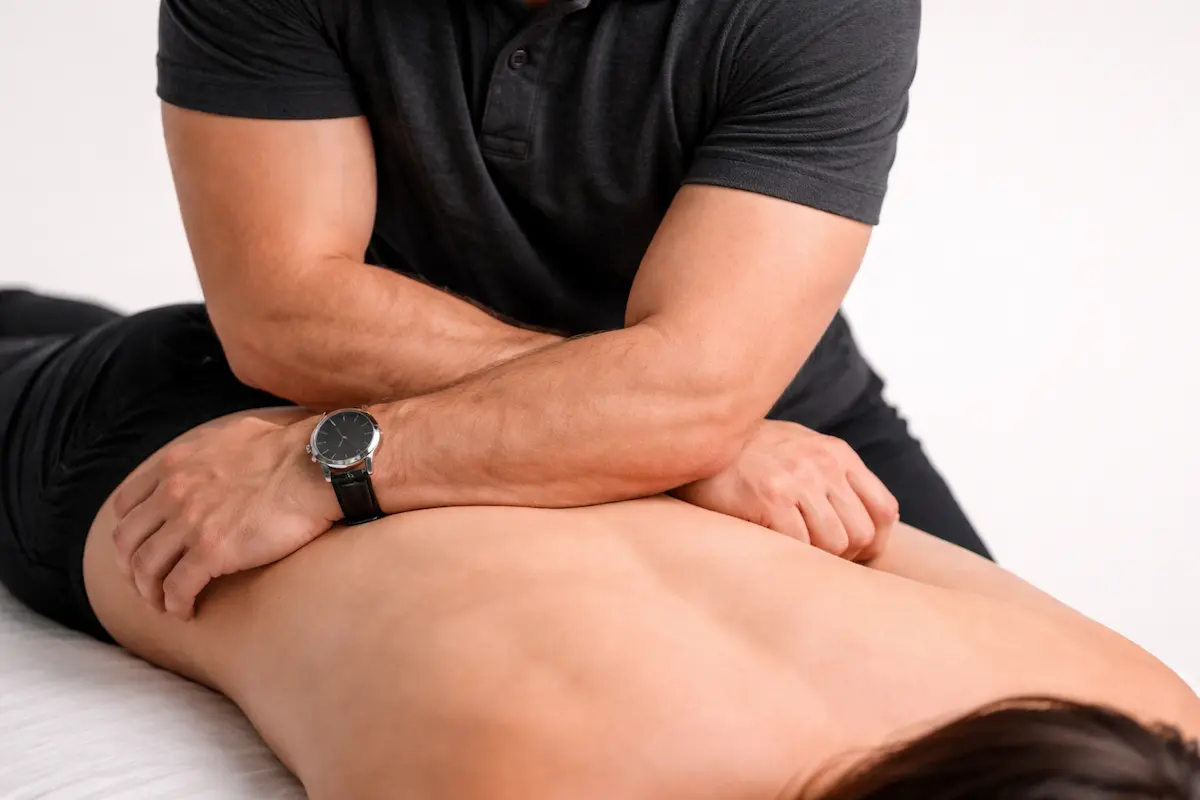
What Medical Massage Is
Medical massage is a form of manual therapy focused on treating pain and dysfunction rather than providing general relaxation. It is assessment-driven: your therapist evaluates posture, movement, pain patterns, and tissue quality, then selects techniques to address the specific structures involved.
People seek it for chronic low back and neck pain, myofascial pain patterns, post-surgical movement restrictions, and referred pain that has not responded to generic massage. There are contraindications, open wounds, infections, certain cardiovascular conditions, which is why the health history matters.
How It Differs From Regular Massage
A regular relaxation massage follows a standard full-body routine designed to soothe. Medical massage follows your assessment: the session concentrates on the problem areas, uses outcome-based techniques, and is documented so progress can be tracked visit to visit.
The other difference is coordination. Medical massage is often part of a broader plan that may include acupuncture, dry needling, or physical therapy. For a comparison of approaches, see medical massage vs. traditional massage.
Techniques Used
- Myofascial release: slow, sustained pressure to ease restricted fascia and improve tissue glide.
- Trigger-point therapy: focused pressure on irritable knots to reduce local and referred pain.
- Neuromuscular techniques: methods that work at the nerve-muscle interface to calm overactive tissue and retrain movement patterns.
- Deep-tissue work: firmer pressure for chronic, guarded areas that surface work cannot reach.
Intensity is tailored to you. Therapeutic does not have to mean painful, and your feedback during the session guides the pressure.
Your First Visit: Step by Step
Intake: we review your health history, current symptoms, medications, and any imaging or physician notes you bring. Assessment: we observe posture and movement and palpate the involved areas. Treatment: targeted work on the structures driving your pain, usually 45 to 60 minutes of hands-on time within a 60 to 90 minute visit. Reassessment: we recheck motion and pain, then set a plan and home-care steps.
Wear loose, comfortable clothing. Bring your medication list and any relevant medical notes or imaging reports.
How Often Should You Come?
Frequency depends on your condition and goals. A common starting pattern is weekly sessions for 4 to 8 weeks to build momentum, then tapering to every 2 to 4 weeks as symptoms stabilize. Acute flare-ups may need a short burst of more frequent visits; long-standing maintenance needs less.
We reassess monthly. If you are not improving within the expected window, we say so and adjust the plan or refer you for further evaluation rather than selling more sessions.
Insurance and Booking
Some plans cover medically oriented manual therapy when prescribed or authorized. Documentation from our assessment can support that process. Coverage varies widely, so we verify benefits before you commit to a plan. Booking is straightforward: call or use the contact form, and we will match you with the right provider and session length.
The evidence: meaningful short-term relief for common conditions
A 2015 Cochrane review of 25 trials with 3,096 participants (Furlan et al.) found massage improved pain in the short term for subacute and chronic low back pain compared with inactive controls, with low-to-very-low quality evidence. Longer-term benefit depends heavily on what else changes: ongoing exercise, activity modification, and stress management. Our read: medical massage is a useful tool within a broader rehabilitation strategy, most valuable when the assessment is careful and the plan is reassessed regularly.
What to Expect at Messina Acupuncture
Assessment and first treatment (60 to 90 minutes)
Full intake, movement and tissue assessment, and your first targeted treatment. Bring medical notes and a medication list.
Follow-up sessions (30 to 60 minutes)
Typically weekly for 4 to 8 weeks, then tapering. We track pain, motion, and function at each visit.
After each visit
Mild soreness or fatigue for 24 to 48 hours is common. Hydrate, move gently, and tell us how the relief holds between visits.
Licensed and coordinated care. Before booking medical massage anywhere, confirm three things: the therapist is properly trained and credentialed, they take a full health history before treating, and they will communicate with your physician or physical therapist if needed. Messina Acupuncture meets all three, and we coordinate with your physician, physical therapist, or other providers as needed.
Tell us before booking if you have open wounds, skin infections, an acute systemic illness, unexplained swelling, signs of deep vein thrombosis (sudden one-sided leg swelling and pain), or severe osteoporosis. During the session, speak up about pressure, pain levels, and any discomfort: feedback is how we keep the work safe and effective. Report severe or unusual symptoms afterward promptly.
Frequently Asked Questions
What should I wear to a medical massage session?
Loose, comfortable clothing. Professional draping is provided, and your therapist will explain exactly what to expect before treatment begins.
Can medical massage be combined with other treatments?
Yes. It is often coordinated with acupuncture, physical therapy, or chiropractic care. Tell us your full plan so your providers can work together.
How long is a medical massage session?
Usually 60 to 90 minutes including assessment. Follow-up sessions are typically 30 to 60 minutes of targeted work.
Are there side effects?
Mild soreness or fatigue for 24 to 48 hours is common. Hydration and gentle movement help. Report any severe or unusual symptoms promptly.
How do I know if medical massage is right for me?
Start with a consultation. We review your history and goals and recommend honestly, including when another approach would serve you better.
How often should I come for medical massage?
Often weekly for 4 to 8 weeks, then tapering to every 2 to 4 weeks. We reassess monthly and adjust based on your progress.
Know What to Expect, Then Decide
If pain is limiting your days and you want a clinical approach to massage, start with a conversation. Our team will review your history, explain what medical massage can realistically do, and help you decide if it fits your plan.
Messina Acupuncture PC
100 N Country Road, East Setauket, NY 11733