
Dry Needling · Treatment Frequency · East Setauket, NY
After a first dry needling session, the most common question is a simple one: when should I come back? There is no one-size schedule. The right frequency depends on whether your pain is acute or chronic, how your body responds, and what you are trying to achieve.
He golfs twice a week at Mill Pond and works at a desk in Stony Brook, and the knot between his right shoulder blade and spine has now come back three times this year. His first dry needling session loosened it dramatically, and now he is asking the practical question: how often should he come back so it stays gone, without overdoing it?
We help patients answer that question every day at Messina Acupuncture. The schedule that works is the one built around your condition, your response, and your goals. Here is how we think about it.
- Acute pain: typically 1 to 2 sessions per week for 2 to 4 weeks, with at least 48 to 72 hours of recovery between sessions on the same area.
- Chronic pain: often starts with weekly sessions, then tapers to every 2 weeks and eventually monthly maintenance as symptoms stabilize.
- Athletes: weekly during heavy training blocks, monthly in the off-season, and never the day before a competition.
- Recovery matters: sessions spaced too closely can overstimulate tissue; spaced too far apart they can lose momentum. Mild soreness for 24 to 48 hours is normal.
- Your plan is personal: severity, the number of areas involved, overall health, and your sensitivity to treatment all shape the schedule.
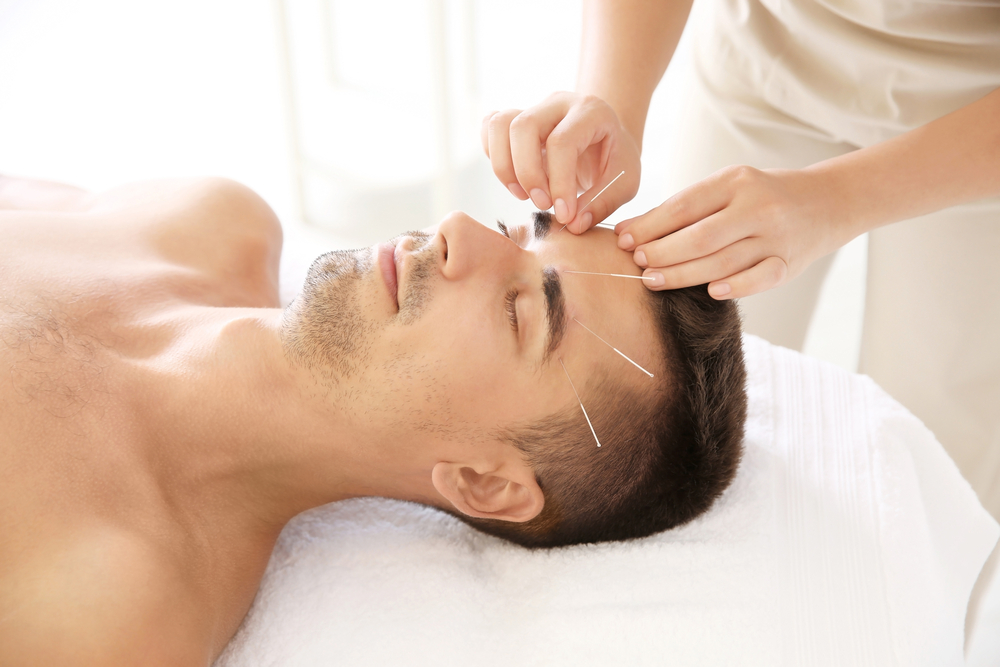
Why Treatment Frequency Matters
Dry needling places thin filament needles into myofascial trigger points, the tight, irritable knots that cause local pain and often refer discomfort elsewhere. When the needle engages the trigger point, it can produce a brief twitch response that helps the muscle release and reset.
But your body needs time to respond to that stimulus. The muscle needs to relax, blood flow needs to flush the area, and the nervous system needs to recalibrate. Schedule sessions too close together and you risk overstimulating the tissue. Space them too far apart and you may lose the momentum you have built. Finding the right rhythm is a big part of getting lasting results.
Acute Pain: When You Need Relief Fast
If you woke up with a crick in your neck, threw out your back, or are dealing with a recent strain, you are in the acute phase. The pain is sharp, it is affecting your daily life, and you want it gone.
For acute conditions, dry needling is typically performed once or twice per week. This lets your practitioner stay on top of the problem while giving your muscles at least 48 to 72 hours to recover between sessions. Many patients with acute pain notice significant improvement within 1 to 3 sessions, and some feel relief within 24 hours of the first treatment. The goal in this phase is to break the pain cycle quickly so you can return to normal movement.
Chronic Pain: Start Weekly, Then Taper
Chronic pain is a different situation. If you have been dealing with persistent neck or back tension or muscle pain for months or years, the trigger points are well established and your nervous system has adapted to the pain. Unwinding that takes patience and consistency.
Many clinicians find that fewer than three sessions is rarely enough to produce lasting change in chronic musculoskeletal conditions. A common approach:
- Weeks 1 to 4: once per week to build momentum.
- Weeks 5 to 8: every 10 to 14 days to consolidate gains.
- Ongoing: monthly maintenance as needed, or return visits when something flares.
You are not just treating symptoms in this phase. You are retraining tissue and calming an overactive nervous system, and that takes time.
Athletes and Active People
If you train hard, dry needling can help keep muscles healthy and catch tension before it becomes injury. Timing matters, especially around competitions. During heavy training periods, many athletes benefit from weekly sessions. During lighter phases or the off-season, monthly sessions are often enough for maintenance.
Two rules we emphasize: do not schedule dry needling the day before a competition, because post-treatment soreness can last 24 to 48 hours, and plan sessions early in the week if you compete on weekends. Pairing needling with medical massage and mobility work usually gives the best results.
What Shapes Your Schedule
Everyone responds differently. The main factors your practitioner weighs:
- Severity and duration: a knot that developed last week typically resolves faster than one building for five years.
- How many areas need treatment: one trigger point recovers faster than problems across the neck, shoulders, and back.
- Overall health: sleep quality, stress levels, and nutrition all affect how quickly tissue heals.
- Your sensitivity: if you experience more post-treatment soreness, longer intervals may be recommended.
- Complementary treatments: combining needling with acupuncture, exercise, or manual therapy can speed progress and influence scheduling.
Signs You Are Ready to Space Sessions Out
How do you know when to extend the interval? Look for these signs:
- Relief lasts longer after each session than it did at the start.
- Fewer flare-ups between treatments.
- Range of motion has improved and is staying improved.
- Daily activities that used to aggravate symptoms no longer bother you.
- Your practitioner finds fewer active trigger points on examination.
On the other hand, if symptoms return within a day or two of treatment, or you notice no cumulative improvement after 3 to 4 sessions, talk with your practitioner. You may need a different frequency, or there may be contributing factors like posture, ergonomics, or stress that need addressing alongside the needling.
The evidence: short-term benefit; dosing still being studied
A 2017 meta-analysis of 13 randomized trials (Gattie et al.) found dry needling reduced musculoskeletal pain more than no treatment or sham needling in the short term, with results roughly comparable to other active treatments. A 2022 meta-analysis of 8 trials (Lara-Palomo et al.) found similar short-term pain reduction for chronic low back pain, especially when needling was combined with other therapies. Most trials dose treatment at about 1 to 2 sessions per week over several weeks, which is where our frequency guidance comes from. Evidence on optimal long-term dosing is still limited.
What to Expect at Messina Acupuncture
Assessment and first treatment (60 to 75 minutes)
We review your pain history, palpate the involved muscles to map active trigger points, and perform your first dry needling treatment. Based on whether your condition is acute or chronic, we propose an initial schedule.
Follow-up sessions (30 to 45 minutes)
Most courses run 4 to 6 visits over 2 to 4 weeks. We adjust spacing based on how long your relief lasts between visits, and sessions often pair needling with acupuncture and movement guidance.
After each visit
Mild soreness for 24 to 48 hours is normal. Hydration, gentle movement, and heat usually ease it. Pay attention to how long the relief lasts: that feedback is what lets us fine-tune your schedule.
Licensed and coordinated care. Before booking needling or acupuncture anywhere, confirm three things: the practitioner is licensed in New York State, they use single-use sterile needles, and they will communicate with your physician or physical therapist if needed. Messina Acupuncture meets all three, and we coordinate with your physician, physical therapist, or other providers as needed.
Allow at least 48 hours between treatments to the same area. Overtreatment can lead to prolonged soreness, tissue irritation, and diminishing returns. Contact your physician promptly for new or worsening numbness or weakness, severe or unrelenting pain, or signs of infection at a needle site (increasing redness, warmth, swelling, or fever). Dry needling should never delay evaluation of a potentially serious condition.
Frequently Asked Questions
How often should I get dry needling?
It depends on your condition. Acute pain is often treated 1 to 2 times per week; chronic pain usually starts weekly and tapers to every 2 to 4 weeks; maintenance is typically monthly or as needed.
How many sessions will I need before I notice a change?
Many patients feel meaningful change within 2 to 4 sessions. A typical course is 4 to 6 visits over 2 to 4 weeks, though longstanding conditions may take longer.
Can I get dry needling twice a week?
Yes, for acute conditions, as long as sessions on the same area are spaced at least 48 to 72 hours apart. Your practitioner will monitor your response and adjust.
Is there a risk of doing dry needling too often?
Yes. Too-frequent sessions can cause prolonged soreness, tissue irritation, and diminishing returns. Proper spacing is part of the treatment, not an afterthought.
How do I know when to space my sessions out?
Good signs: relief lasts longer after each visit, flare-ups are fewer, range of motion stays improved, and your practitioner finds fewer active trigger points on examination.
Do I need maintenance sessions after I feel better?
Some patients graduate and return only when something flares. Others prefer monthly or every 6 to 8 week maintenance, especially with physically demanding jobs or chronic stress.
Wondering When to Book Your Next Session?
If you are unsure how often dry needling fits your situation, start with an honest assessment. Dr. Daniel Messina will evaluate your condition, explain a realistic schedule, and adjust it as your body responds.
Messina Acupuncture PC
100 N Country Road, East Setauket, NY 11733
Sources and Further Reading
- Gattie E et al. The effectiveness of trigger point dry needling for musculoskeletal conditions by physical therapists: a systematic review and meta-analysis. Journal of Orthopaedic and Sports Physical Therapy, 2017.
- Lara-Palomo IC et al. Efficacy of dry needling for chronic low back pain: a systematic review and meta-analysis of randomized controlled trials. Alternative Therapies in Health and Medicine, 2022.
- National Center for Complementary and Integrative Health: Acupuncture effectiveness and safety.
- New York State Office of the Professions: Acupuncture consumer information.