
Dry Needling · Session Length · East Setauket, NY
If you are considering dry needling for a stubborn muscle knot or persistent tightness, one of the first practical questions is how much time to block off. A first visit typically runs 45 to 60 minutes, while follow-up sessions are often 20 to 30. Here is what fills that time, what can make sessions longer or shorter, and what a well-run appointment should include.
She booked dry needling for a knotted shoulder that had been bothering her for months, and she scheduled it on her lunch hour, assuming it would be quick. The first visit took nearly an hour, most of it assessment and explanation, and she left wondering whether that was normal. It was.
We explain this to every new patient at Messina Acupuncture: the needling itself is only part of the visit. A thorough first session includes history, movement testing, and palpation to map the problem accurately, and that groundwork is what makes the needling effective. Here is the full breakdown.
- 1. First visit: 45 to 60 minutes: most of this is assessment, history, and explanation, not needling.
- 2. Follow-ups: 20 to 30 minutes: shorter because the groundwork is done and treatment can focus on the target areas.
- 3. Assessment is the treatment’s foundation: proper palpation and movement testing is what separates targeted needling from guesswork.
- 4. Needles rest briefly: once placed, needles typically stay in for 10 to 20 minutes while the muscle responds.
- 5. Duration varies by case: complex or multi-area problems take longer than a single straightforward trigger point.
First Visit: 45 to 60 Minutes
Your first appointment is longer because your practitioner is learning your body. Expect a health history review, questions about how the pain started and what aggravates it, movement and strength testing, and hands-on palpation to locate the taut bands and trigger points driving your symptoms. Only then does needling begin.
This assessment phase is not filler. Dry needling is only as good as its targeting, and a practitioner who rushes to needle without mapping the problem is guessing. The explanation you receive, what was found and what the plan is, is part of what you are paying for.
Follow-Up Sessions: 20 to 30 Minutes
Follow-ups move faster. Your practitioner already knows your pattern, so the visit focuses on a brief check-in, targeted needling of the known problem areas, and any adjustments based on how you responded last time. Some clinics run follow-ups as short as 15 minutes for a single area; 20 to 30 is typical when a few areas need attention.
What Happens During the Needling Itself
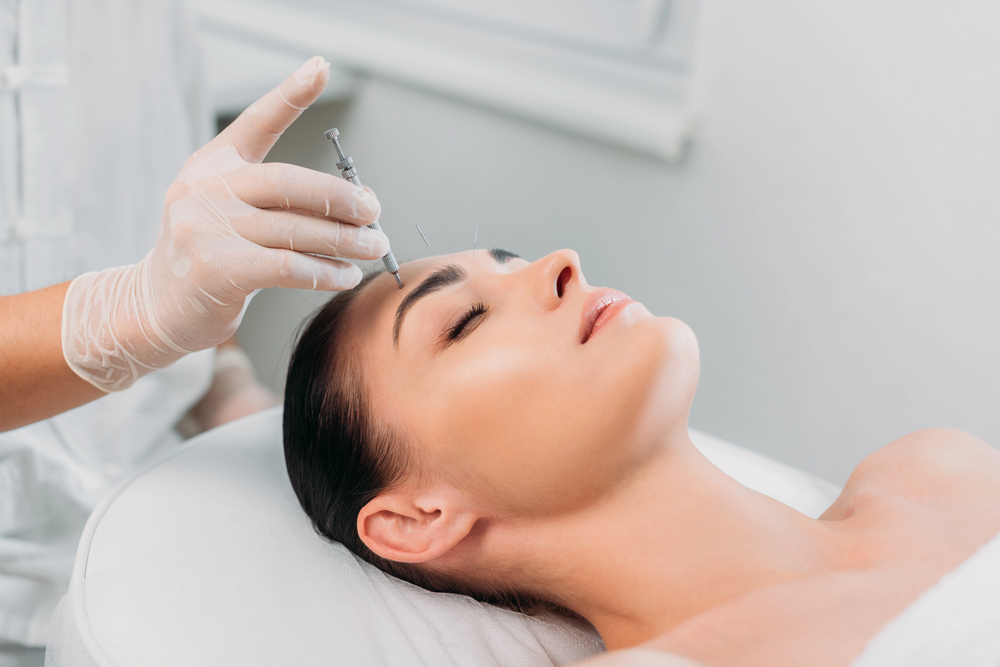
The needling portion usually takes 10 to 20 minutes. Fine, sterile, single-use needles are placed into the identified trigger points. You may feel a brief cramp-like twitch when a needle contacts an active point, which practitioners take as a sign the muscle is releasing. The needles then rest in place while the tissue responds, and many patients find this period deeply relaxing.
After the needles are removed, your practitioner typically retests the movement that was restricted, so you can feel the immediate change. That reassessment closes the loop and informs the next visit’s plan.
What Makes Sessions Longer or Shorter
Several factors shift the timing. Multiple problem areas, a complex history, or a first visit with extensive explanation needs run longer. Some sessions combine dry needling with acupuncture or medical massage, which extends the appointment. Straightforward single-area follow-ups are the quickest visits.
Be cautious of clinics that promise full treatments in implausibly short windows. Proper assessment cannot be compressed into five minutes, and neither can an honest conversation about your progress.
How Many Sessions Will You Need?
Duration per visit and number of visits are different questions. Many patients notice meaningful change within 2 to 4 sessions; a typical course runs 4 to 6 visits over a few weeks for a persistent problem. Your practitioner should reassess regularly and give you an honest estimate, not an open-ended plan. Learn more in our complete guide to dry needling in Setauket.
What the evidence says: targeted needling shows short-term benefit
A 2017 systematic review and meta-analysis (Gattie et al.) found that trigger point dry needling reduced musculoskeletal pain in the short term, particularly when combined with other therapies. The National Center for Complementary and Integrative Health notes a strong safety profile for needling therapies in trained hands.
No study promises instant or guaranteed relief, and the oft-cited twitch response is a clinical observation, not proof the treatment will succeed. Honest expectations: a reasonable course, measurable reassessment, and no pressure to continue if it is not helping.
What to Expect at Messina Acupuncture
Thorough first assessment (45 to 60 minutes)
We take a full history, test your movement, and palpate to map active trigger points before any needling. If your problem looks like something needling cannot address, we will tell you at this stage.
Focused follow-ups (20 to 30 minutes)
Brief check-in, targeted treatment of known areas, and movement retesting so you can feel what changed. Sessions may combine dry needling with acupuncture when that serves your case.
Clear plan and honest timeline
You will know how many sessions we expect, what progress should look like, and when we will reassess. Mild soreness for a day or two after treatment is normal.
Licensed and coordinated care. Before booking dry needling anywhere, confirm three things: the practitioner is licensed in New York State, they use single-use sterile needles, and they assess before they needle. Messina Acupuncture meets all three, and we coordinate with physicians and physical therapists across Long Island.
Seek prompt care for pain after significant trauma, severe swelling, inability to bear weight or use the limb, numbness or weakness, fever with muscle pain, or pain that worsens rapidly. Dry needling addresses muscular trigger points; it should never delay diagnosis of fractures, nerve compression, or other serious conditions.
Frequently Asked Questions
How long does a first dry needling session take?
Plan for 45 to 60 minutes. Most of that is history, movement testing, and palpation to map your trigger points accurately. The needling itself typically takes 10 to 20 minutes within the visit.
How long are follow-up dry needling sessions?
Usually 20 to 30 minutes, since the assessment groundwork is done. The visit focuses on a brief check-in, targeted needling, and retesting movement to confirm the change.
Why does the first visit take so much longer?
Because targeting is everything in dry needling. A thorough assessment separates precise treatment from guesswork, and the explanation of findings and plan is part of quality care. Rushed first visits are a red flag.
How long do the needles stay in?
Typically 10 to 20 minutes once placed. You rest quietly while the muscles respond, and many patients find this period relaxing. Your practitioner then retests the restricted movement.
How many sessions will I need in total?
Many patients notice meaningful change within 2 to 4 sessions, and a typical course is 4 to 6 visits over a few weeks. Your practitioner should reassess regularly and give you an honest estimate rather than an open-ended plan.
Is it normal to be sore after dry needling?
Yes. Mild soreness at the treated sites for 24 to 48 hours is common, similar to post-workout soreness. Gentle movement, heat, and hydration usually ease it. Significant worsening should be reported to your practitioner.
Ready to Address That Stubborn Muscle Knot?
If a tight muscle or persistent trigger point is limiting how you move, a properly assessed dry needling session may help. Dr. Daniel Messina will map the problem thoroughly, treat it precisely, and tell you honestly what to expect from your course of care.
Messina Acupuncture PC
100 N Country Road, East Setauket, NY 11733
Sources and Further Reading
- Gattie E et al. The effectiveness of trigger point dry needling for musculoskeletal conditions by physical therapists: a systematic review and meta-analysis. Journal of Orthopaedic and Sports Physical Therapy, 2017.
- National Center for Complementary and Integrative Health: Acupuncture effectiveness and safety.
- New York State Office of the Professions: Acupuncture consumer information.