
Dry Needling · East Setauket, NY
Dry needling targets the stubborn muscle knots, called trigger points, that stretching and massage often cannot reach. This guide explains how the technique works, what the research says about its effectiveness for musculoskeletal pain, and what a course of treatment looks like at our East Setauket clinic.
He sits at a desk in Stony Brook all week and plays golf on the weekends, and for months his right shoulder has carried a knot that never fully loosens. He has tried massage, foam rolling, and heat. It helps for a day, then the deep ache returns, right between the shoulder blade and the spine. A teammate at the club mentioned dry needling, but he is picturing a large injection needle and wondering whether it is safe, or even legal, in New York.
We hear versions of this story every week at Messina Acupuncture. Dry needling is one of the most effective tools we use for myofascial pain, and it is far less intimidating than it sounds. Here is an honest, evidence-based look at what it does and does not do.
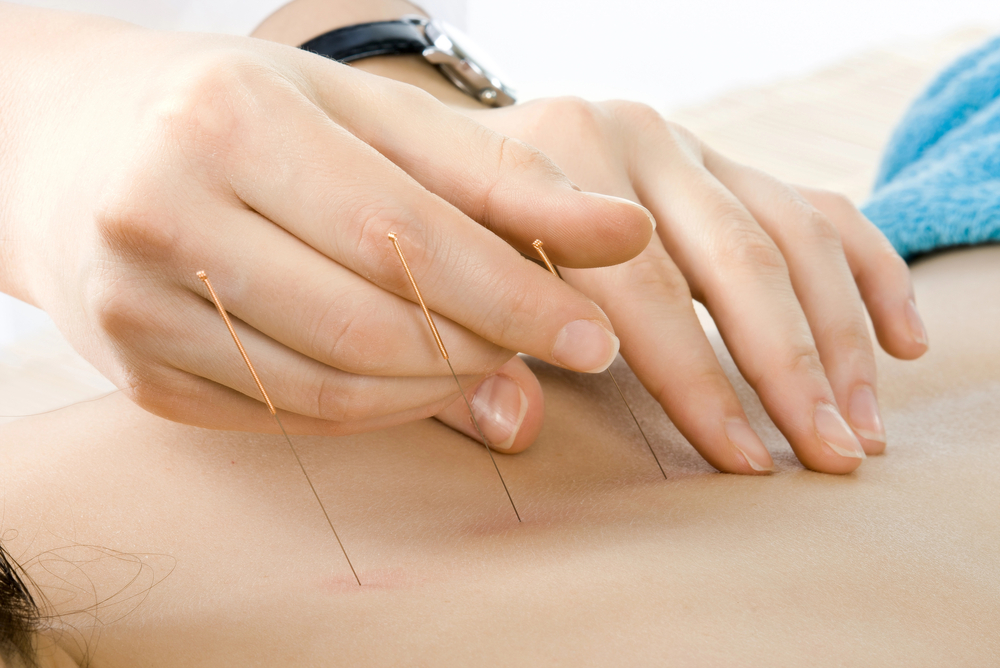
- What it is: fine, solid filiform needles are placed directly into hyperirritable bands of muscle (trigger points). No medication is injected, which is why the needles are called “dry.”
- What it treats: neck and back pain, tension headaches, shoulder and hip pain, jaw tension, and sports-related muscle injuries.
- Evidence: a 2017 meta-analysis of 13 randomized trials found dry needling reduced pain better than no treatment or sham needling in the short term. Against other active treatments, results are roughly comparable.
- Safety: serious adverse events are rare when needling is performed by a trained, licensed practitioner. Post-treatment soreness for 24 to 48 hours is the most common effect.
- Timeline: many patients feel meaningful change within 2 to 4 sessions; a typical course runs 4 to 6 visits.
What Is Dry Needling?
Dry needling, sometimes called myofascial trigger point dry needling, is a therapeutic technique that uses ultra-thin, solid needles to target trigger points: taut, hyperirritable bands of muscle fiber that most people know as “knots.” When a muscle is overworked, injured, or held in chronic tension, a small region can lock into a localized contraction. That knot compresses nearby capillaries, restricting blood flow and allowing metabolic waste products to accumulate, which keeps the area painful and sensitized.
The term “dry” distinguishes the technique from hypodermic injections. Nothing is delivered into the tissue. The needle itself is the treatment: its precise placement stimulates the muscle fiber, interrupts the dysfunctional spasm cycle, and resets the nerve signaling that keeps the knot contracted.
What Does the Research Say?
The evidence: helpful for pain in the short term, comparable to other treatments
The most-cited synthesis (Gattie et al., Journal of Orthopaedic and Sports Physical Therapy, 2017) pooled 13 randomized controlled trials of dry needling for musculoskeletal pain. It found that dry needling reduced pain and improved pressure pain threshold more than no treatment or sham needling in the immediate to 12-week period. Functional outcomes were better than sham but not clearly better than other active treatments. A 2025 meta-analysis of dry needling for neck pain reached a similar conclusion: roughly equivalent to other physical modalities, with no treatment-related adverse events reported. Evidence for long-term benefit remains limited, and higher-quality trials are still needed.
Our read: dry needling is a legitimate, evidence-supported option for myofascial pain, especially in the short term. It is not a cure-all, and honest practitioners will tell you that it works best as part of a plan that includes movement, posture correction, and addressing the underlying cause of the muscle tension.
How Dry Needling Works in the Body
Treatment follows a consistent sequence:
- Needle placement: the practitioner palpates the taut band and guides a fine needle directly into the trigger point.
- The local twitch response: when the needle contacts an active trigger point, the muscle briefly contracts and releases on its own. This involuntary “twitch” is a spinal reflex, and practitioners generally consider it a sign the trigger point has been engaged.
- Tissue reset: the mechanical stimulation increases local blood flow and oxygenation, helping clear accumulated metabolic waste and allowing the muscle to return to a normal resting state.
The twitch can feel like a brief cramp or deep ache. Most patients describe it as intense but relieving, and it passes within seconds.
Dry Needling vs. Acupuncture: What Is the Difference?
The needles look similar, but the frameworks differ. Dry needling is grounded in Western neuroanatomy and myofascial pain science: the practitioner targets specific muscles and trigger points based on anatomy and palpation. Traditional acupuncture is grounded in Traditional Chinese Medicine, selecting points along meridians to influence Qi flow, organ systems, and whole-body balance, though modern acupuncture also addresses musculoskeletal pain.
In practice, the two approaches often overlap. At Messina Acupuncture, dry needling is performed by licensed acupuncturist Daniel Messina, whose training covers both the anatomical precision of trigger point needling and the broader diagnostic framework of acupuncture. Many treatment plans combine both: dry needling to release the specific knot, and acupuncture points to address the tension patterns, stress, or sleep disruption that keep it returning.
What to Expect at Messina Acupuncture
Assessment and first treatment (60 to 75 minutes)
Dr. Messina evaluates your pain history, palpates the involved muscles to map active trigger points, and performs your first dry needling treatment. Needles are retained only briefly, typically seconds to a few minutes per point.
Follow-up sessions (30 to 45 minutes)
Most courses run 4 to 6 visits over 2 to 4 weeks. Sessions often pair dry needling with acupuncture, gentle movement guidance, and self-care instruction.
After each visit
Mild soreness at the treated sites for 24 to 48 hours is normal, similar to post-workout soreness. Hydration, gentle movement, and heat usually ease it. Most patients notice improved mobility within the first few sessions.
Licensed and coordinated care. Before booking dry needling anywhere, confirm three things: the practitioner is licensed in New York State, they use single-use sterile needles, and they will communicate with your physician or physical therapist if needed. Messina Acupuncture meets all three, and we coordinate with providers at Stony Brook Medicine, Northwell, and private practices across Long Island.
Contact your physician promptly for new or worsening numbness or weakness, severe or unrelenting pain, chest symptoms, signs of infection at a needle site (increasing redness, warmth, swelling, or fever), or any symptom that feels wrong to you. Dry needling should never delay evaluation of a potentially serious condition.
Frequently Asked Questions
Is dry needling painful?
The needle insertion itself is usually mild. When the needle contacts an active trigger point you may feel a brief cramp-like twitch, which most patients describe as intense but relieving. Soreness for a day or two afterward is normal.
How is dry needling different from acupuncture?
Dry needling targets specific muscles and trigger points using Western anatomical principles. Acupuncture uses a Traditional Chinese Medicine framework, selecting points along meridians. The needles are similar; the diagnostic approach differs. Many plans at our clinic use both.
How many dry needling sessions will I need?
Many patients feel meaningful change within 2 to 4 sessions. A typical course is 4 to 6 visits over 2 to 4 weeks, depending on how long the problem has existed and how many muscle groups are involved.
Is dry needling safe?
When performed by a trained, licensed practitioner using sterile single-use needles, serious adverse events are rare. The most common effects are temporary soreness, minor bruising, or brief fatigue. The National Center for Complementary and Integrative Health notes that needling therapies have a strong safety profile in trained hands.
What should I avoid after dry needling?
For 24 hours, skip intense exercise, heavy lifting, and alcohol. Gentle movement, walking, and heat help the treated muscles recover. Drink water and get normal sleep.
Does insurance cover dry needling?
Coverage varies widely by plan, and dry needling is often treated separately from acupuncture benefits. Our front desk verifies your benefits before your first visit. Call (631) 403-0504 and we will check for you. See also our frequently asked questions.
Ready to Release That Stubborn Knot?
If a muscle knot, tight neck, or deep ache has been limiting how you move, work, or enjoy your weekends, targeted dry needling may be the missing piece. Dr. Daniel Messina and our team will assess the problem properly and tell you honestly whether dry needling is right for you.
Messina Acupuncture PC
100 N Country Road, East Setauket, NY 11733
Sources and Further Reading
- Gattie E et al. The effectiveness of trigger point dry needling for musculoskeletal conditions by physical therapists: a systematic review and meta-analysis. Journal of Orthopaedic and Sports Physical Therapy, 2017.
- Comparison of dry needling with physical modalities for myofascial trigger point of patients with neck pain: a systematic review and meta-analysis. Journal of Bodywork and Movement Therapies, 2025.
- National Center for Complementary and Integrative Health: Acupuncture effectiveness and safety.
- New York State Office of the Professions: Acupuncture consumer information.