
Headache Care in Setauket
Many headaches come with a stiff, aching neck, and it is natural to wonder whether treating the neck could stop the head pain. Sometimes it genuinely helps: when trigger points in the neck and jaw feed into tension-type or cervicogenic headache, dry needling those muscles can reduce pain and improve function. But migraine is a different condition, a neurological disorder that needs medical management, and no neck treatment reliably “stops” migraine.
By Thursday afternoon the pattern was familiar: a tight band across the back of the skull by lunch, the ache spreading forward by three, and by evening the question of whether this one would turn into something worse. For years she had assumed every headache was the same problem. It took a proper assessment to show her there were actually two different problems, and they needed two different approaches.
That distinction is the heart of this page. At Messina Acupuncture, we see patients whose head pain is driven substantially by neck and jaw muscle dysfunction, and they often respond well to dry needling. We also see true migraine, which we treat as a medical condition to be managed in coordination with your physician, not needled away.
Key Takeaways
- Not all head pain is the same. Migraine is a neurological disorder; tension-type and cervicogenic headaches are more closely tied to neck and muscle dysfunction.
- Dry needling targets the muscular piece. Trigger points in the upper trapezius, suboccipitals, sternocleidomastoid, and jaw muscles can refer pain into the head.
- It helps some headaches more than others. Evidence is more supportive for tension-type and cervicogenic headache than for migraine specifically.
- Migraine needs medical management. If you have migraine, dry needling may complement your treatment plan, but it does not replace preventive or abortive medication.
- Sudden or unusual headaches need evaluation. A thunderclap headache, new neurological symptoms, or a major change in headache pattern warrants prompt medical care.
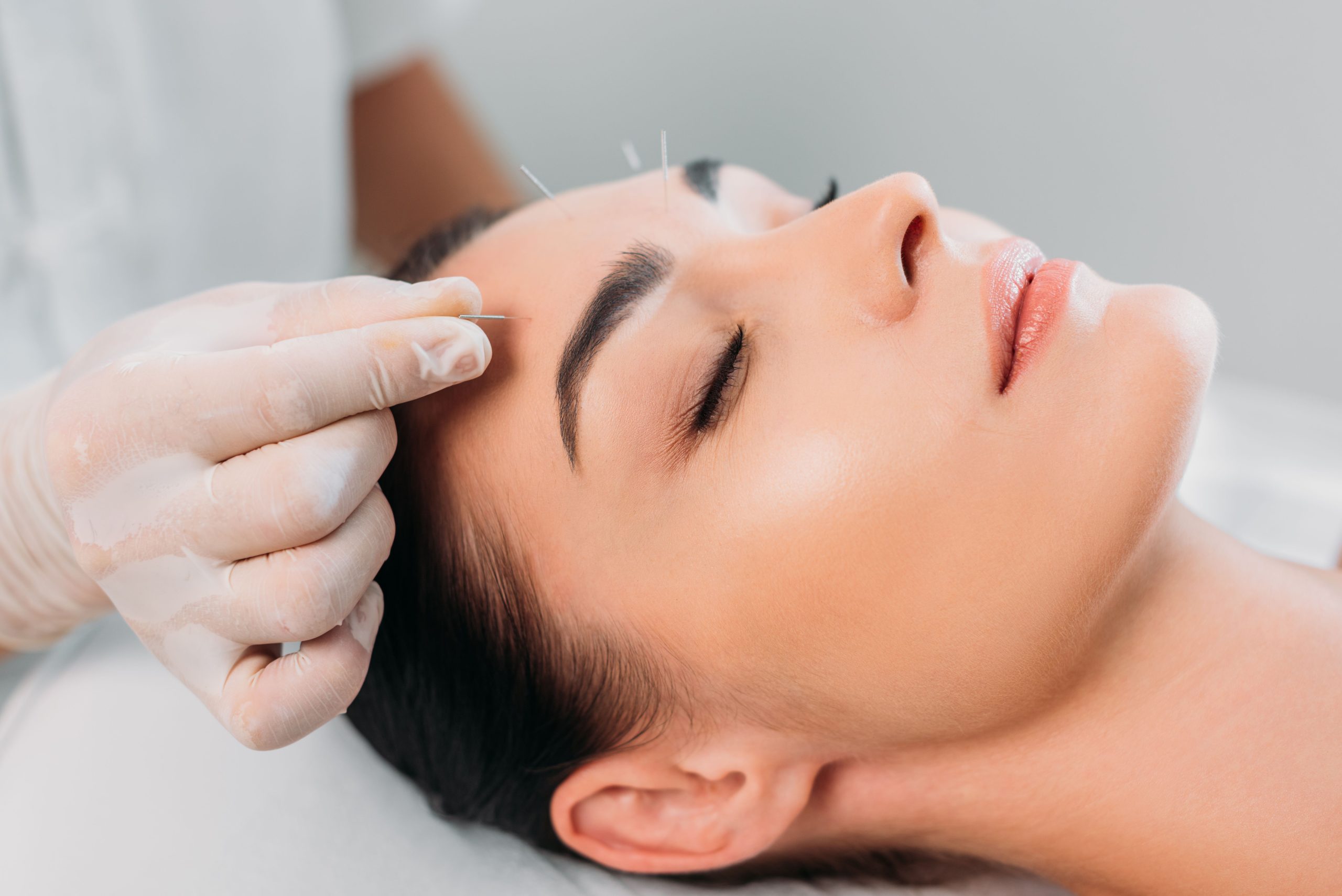
Migraine vs. Tension-Type vs. Cervicogenic Headache
Sorting your headache type matters because it determines what treatment can plausibly do. Migraine is a neurological disorder involving brain excitability, often with throbbing pain on one side, nausea, and sensitivity to light and sound. It is managed medically, and while neck tension often accompanies migraine, the neck is usually a fellow traveler rather than the cause.
Tension-type headache feels like a band squeezing the head, often tied to sustained muscle tension in the neck, shoulders, and scalp. Cervicogenic headache originates from structures in the neck, typically felt as pain starting at the skull base and spreading forward, often one-sided. These two are where muscular treatment, including dry needling of the suboccipitals, upper trapezius, levator scapulae, and SCM, has the most plausible role.
How Dry Needling the Neck May Help Head Pain
The muscles at the base of the skull and along the neck are rich in trigger points that refer pain into the head: the suboccipitals refer to the back of the head and behind the eyes, the upper trapezius refers up the neck to the temple, and the sternocleidomastoid can refer pain around the eye and ear. When these muscles stay tight, they can sustain a headache cycle of tension, pain, more guarding, and more pain.
Dry needling aims to break that cycle by releasing the trigger points and reducing the muscular input feeding the headache. For cervicogenic and tension-type patterns, patients often report less frequent or less intense episodes and better neck mobility. For migraine, any benefit is likely indirect: less neck tension may lower one trigger among many, but the migraine disorder itself remains and still needs its medical plan.
What the Research Says
A 2021 systematic review and meta-analysis by Pourahmadi and colleagues, published in Physical Therapy, examined dry needling for tension-type headache, cervicogenic headache, and migraine. The findings were measured: for short-term pain intensity, dry needling was not statistically better than other interventions, though it did show significantly greater improvement in related disability for tension-type and cervicogenic headache. The authors rated much of the evidence as very low quality. In plain terms, dry needling looks like a reasonable option for neck-related headache, roughly comparable to other conservative care, with thinner evidence specifically for migraine.
Get urgent medical care for a sudden, severe “worst headache of your life,” headache with fever and stiff neck, headache after head trauma, new weakness, vision changes, slurred speech, confusion, or fainting, or a major change in your usual headache pattern. These can signal serious conditions that need emergency evaluation, not a needling appointment.
Identify your headache type.
A clinical history and exam clarify whether your head pain looks muscular, cervicogenic, migrainous, or mixed. Migraine should be medically diagnosed and managed.
Treat the muscular contributors.
Dry needling targets trigger points in the suboccipitals, upper trapezius, SCM, and jaw muscles, alongside posture and activity guidance.
Track and coordinate.
Log headache frequency, intensity, and medication use. If migraine is part of the picture, your physician stays central to the plan.
Honest Assessment, Coordinated Care. At Messina Acupuncture, headache cases start with careful differential assessment. If your pattern looks like migraine, we will say so and coordinate with your medical management rather than promising what needling cannot deliver. If neck and jaw dysfunction is driving your head pain, we will target it directly and measure progress in headache days, intensity, and function.
Frequently Asked Questions
Can dry needling stop migraines?
No, not reliably. Migraine is a neurological disorder that needs medical management. Dry needling may ease the neck and jaw tension that often accompanies migraine, but it does not treat the migraine disorder itself.
What kind of headache responds best to dry needling?
Tension-type and cervicogenic headaches, where neck and shoulder muscle dysfunction plays a central role. Research shows the most support for these types, particularly for improving related disability.
Which neck muscles are treated?
Commonly the suboccipitals at the skull base, upper trapezius, levator scapulae, sternocleidomastoid, and sometimes the jaw muscles. These all contain trigger points known to refer pain into the head.
How does dry needling compare to other headache treatments?
A 2021 systematic review found dry needling roughly comparable to other conservative interventions for short-term pain, with better disability outcomes for tension-type and cervicogenic headache. It is one reasonable option among several.
Should I stop my migraine medication?
No. Continue preventive and abortive medications as prescribed. Dry needling, if it helps, is an addition to your medical plan, never a replacement. Discuss any medication changes with your physician.
When is a headache an emergency?
Seek urgent care for a sudden severe headache, headache with fever and stiff neck, headache after trauma, or any headache with weakness, vision changes, slurred speech, confusion, or fainting.
Head Pain With a Stiff Neck? Let’s Sort Out What’s Driving It
Dr. Daniel Messina will assess whether your head pain looks muscular, cervicogenic, migrainous, or mixed, and give you an honest answer about what dry needling can contribute. If migraine is involved, we coordinate with your medical care.
Messina Acupuncture PC
100 N Country Road, East Setauket, NY 11733
References
- Pourahmadi M, et al. Dry needling for the treatment of tension-type, cervicogenic, or migraine headaches: a systematic review and meta-analysis. Physical Therapy. 2021. PubMed record
- National Center for Complementary and Integrative Health. Acupuncture: Effectiveness and Safety. nccih.nih.gov
- New York State Education Department. Acupuncture Consumer Information. op.nysed.gov