
Medical Massage Therapy in East Setauket, NY
Medical massage is goal-based massage therapy focused on a specific symptom, movement limitation or area of muscle tenderness. At Messina Acupuncture PC, the session is shaped around what hurts, what movement is difficult and what you want to get back to doing, rather than following a generic full-body routine.
100 N Country Road, East Setauket, NY 11733
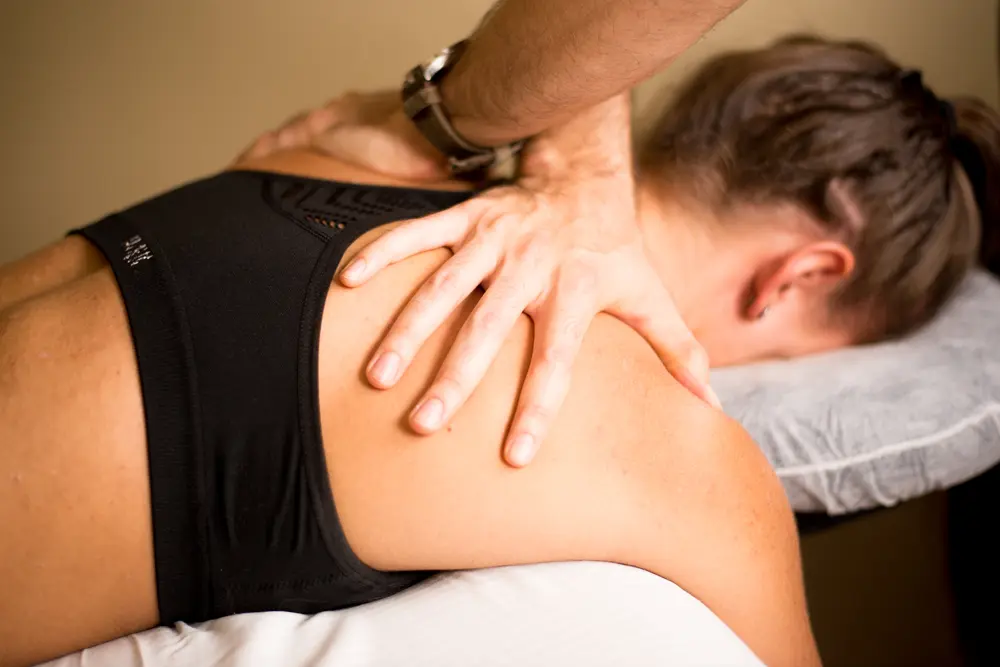
What Is Medical Massage?
Medical massage is therapeutic massage organized around a specific complaint or functional goal. That may mean focusing primarily on the neck, shoulder, back, jaw, arm, hip or another symptomatic region rather than performing the same full-body sequence for every patient.
Medical Massage Is Goal-Based Bodywork
The word “medical” does not mean massage diagnoses disease or replaces medical care.
It describes a focused approach in which the session is built around the patient's symptoms, relevant health history, movement limitations and treatment goal.
The therapist may spend most of the session on one region when that better matches the reason for the visit.
The Session Is Built Around the Area That Is Limiting You
A patient coming in for neck and shoulder pain may need a very different session from someone dealing with low-back tightness, jaw discomfort or exercise-related soreness.
The goal is not to perform every massage technique. It is to use the techniques that fit the problem, the patient's tolerance and the outcome being measured.
Massage Does Not Have to “Break Up” Tissue to Help
A treatment can reduce discomfort or make movement easier without physically breaking apart scar tissue, adhesions, muscle knots or fascia.
Manual pressure creates mechanical and sensory input in the area being treated. Clinical improvement does not require describing tissue as being crushed, melted or permanently released.
Symptoms and Patterns We May Evaluate
Medical massage is most useful when hands-on soft-tissue care fits the patient's presentation. Pain location alone does not tell us what the diagnosis is.
Back Pain and Muscle Guarding
Massage may help selected patients whose back symptoms include muscular tenderness, guarding or discomfort with movement.
Neck and Upper-Back Pain
Hands-on treatment may be useful when neck symptoms overlap with muscle tenderness, stiffness or guarded movement.
Shoulder and Arm Tension
Treatment may focus on muscles around the shoulder, upper arm and shoulder blade.
Shoulder pain can also involve the rotator cuff, joint capsule, AC joint or cervical referral.
Headache and TMJ-Related Tenderness
Massage may be incorporated when symptoms overlap with jaw, temple, neck or upper-shoulder tenderness.
Stiffness and Movement Discomfort
Massage may temporarily improve comfort or range of motion when soft-tissue sensitivity or guarding contributes to stiffness.
Longer-term mobility may also require strengthening or rehabilitation.
Exercise-Related Soreness
Medical massage may be used for selected muscle soreness or tenderness associated with exercise and repetitive activity.
A suspected tear, fracture or major acute injury needs appropriate evaluation first.
Muscle Tenderness Does Not Automatically Identify the Cause
A sore muscle can be part of an orthopedic pain pattern without being the only source of the problem.
Joints, tendons, nerves and referred pain can produce symptoms in the same region.
How Might Medical Massage Help?
There is no single mechanism explaining every effect of massage. Manual therapy creates mechanical, sensory and contextual input that can influence how a patient feels and moves.
Mechanical Input
Pressure, movement and stretching physically interact with skin and underlying soft tissue during treatment.
Sensory Input
Touch and pressure stimulate sensory receptors and change the information being sent through the nervous system.
Symptom Response
For some patients, massage can reduce pain, muscle tightness or perceived stiffness and make movement more comfortable.
Blood Flow Changes Are Not the Same as Faster Healing
Massage can create local circulatory changes.
That does not prove treatment accelerates structural healing of a tendon, ligament, muscle or joint.
Painful tissue also does not need toxins or lactic acid manually flushed out.
Feeling More Relaxed Can Be Valuable Without Calling It a Reset
Many patients report feeling calmer, more comfortable or less tense after massage.
That experience does not prove the autonomic nervous system has been permanently reset or switched into one specific physiological state.
Techniques That May Be Used During Medical Massage
Technique selection depends on the complaint, body region, health history, pressure tolerance and response during treatment.
Targeted Massage
Focused strokes and compression may be used over selected muscles and surrounding soft tissue.
Trigger-Point Pressure
Sustained or intermittent pressure may be applied to tender areas that reproduce familiar symptoms.
The goal is symptom change, not physically destroying a muscle knot.
Myofascial Techniques
Slower pressure and movement may be used across skin and connective tissue.
These techniques should not be described as literally melting fascia or permanently separating adhesions.
Deep-Tissue Techniques
Firmer pressure may be appropriate in selected regions when the patient tolerates it comfortably.
Deeper pressure is not automatically more effective.
Stretching and Assisted Movement
Gentle movement or stretching may be incorporated when stiffness is part of the complaint.
Acupressure
Selected acupressure techniques may be incorporated when targeted manual pressure fits the treatment plan.
What to Expect During a Medical Massage Visit
The visit is built around your reason for coming in. You do not need to know which massage technique you need beforehand.
Review the Complaint
We discuss where symptoms occur, what aggravates them, previous injuries or treatment, relevant health history and what activity you want to do more comfortably.
Identify the Treatment Area
The therapist considers tenderness, guarding, movement restriction and the region most relevant to the complaint.
Adjust Technique and Pressure
Pressure and technique are adapted throughout the session according to comfort, health history and treatment purpose.
Reassess
Pain, movement, tenderness or another relevant functional measure may be reassessed to see whether treatment produced a useful change.
Therapeutic Massage Does Not Need to Be Painful
Tenderness or firm pressure can occur, but sharp pain, numbness, electrical sensations or strong protective bracing are reasons to reduce or change the technique.
More pressure does not automatically create better results.
What Does Research Say About Massage Therapy?
Massage has been studied across many painful conditions, but the certainty of evidence differs significantly by diagnosis and outcome.
A JAMA Network Open evidence map identified 129 systematic reviews examining massage for painful adult conditions.
Some conclusions reached moderate-certainty evidence for beneficial pain outcomes, but none reached high-certainty evidence.
Evidence showing massage clearly outperforming another active treatment was relatively uncommon.
Massage Can Be Useful Without Being the Best Treatment for Every Condition
Research supports massage as a reasonable option for selected pain and muscle-tension complaints.
It should not be presented as universally superior to exercise, physical therapy, acupuncture, medical treatment or other appropriate care.
Medical Massage Can Stand Alone or Be Part of a Broader Plan
Massage may be the main service, or another treatment may fit another part of the patient's presentation.
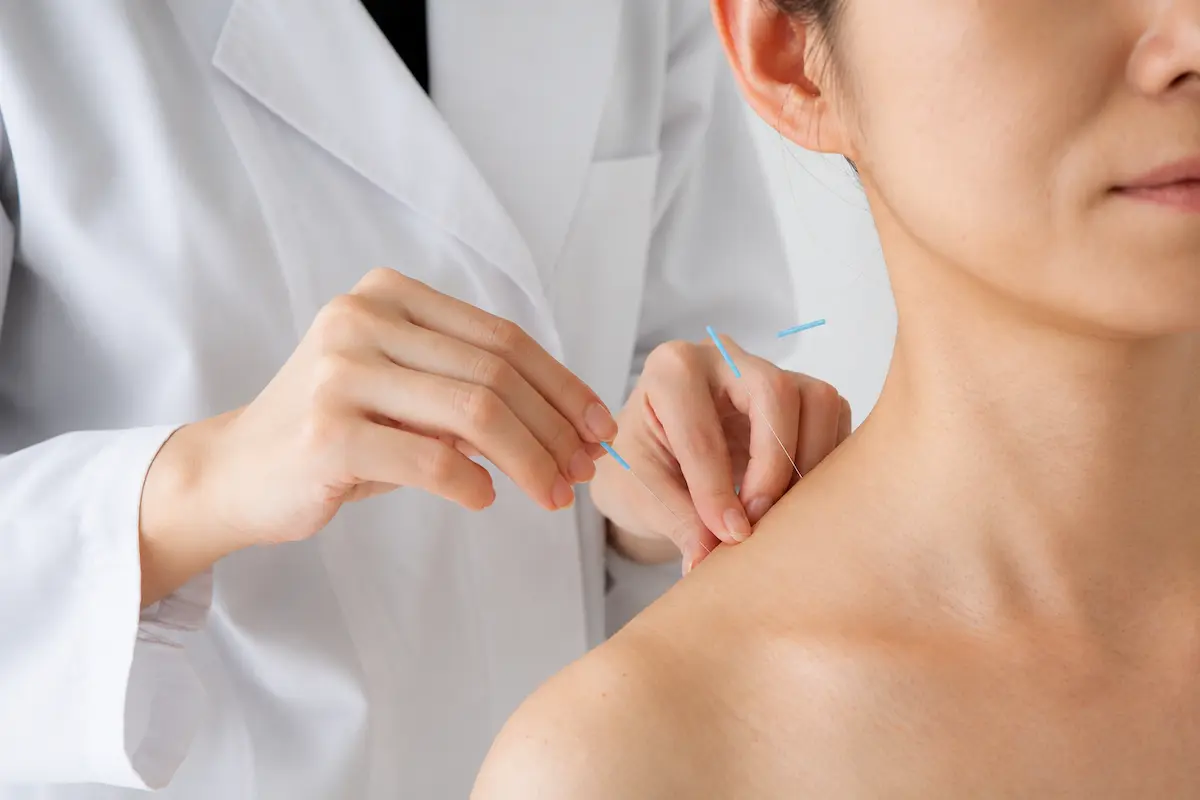
Acupuncture
When the presentation calls for needle-based treatment, acupuncture may be considered separately from or alongside hands-on care.
Explore acupuncture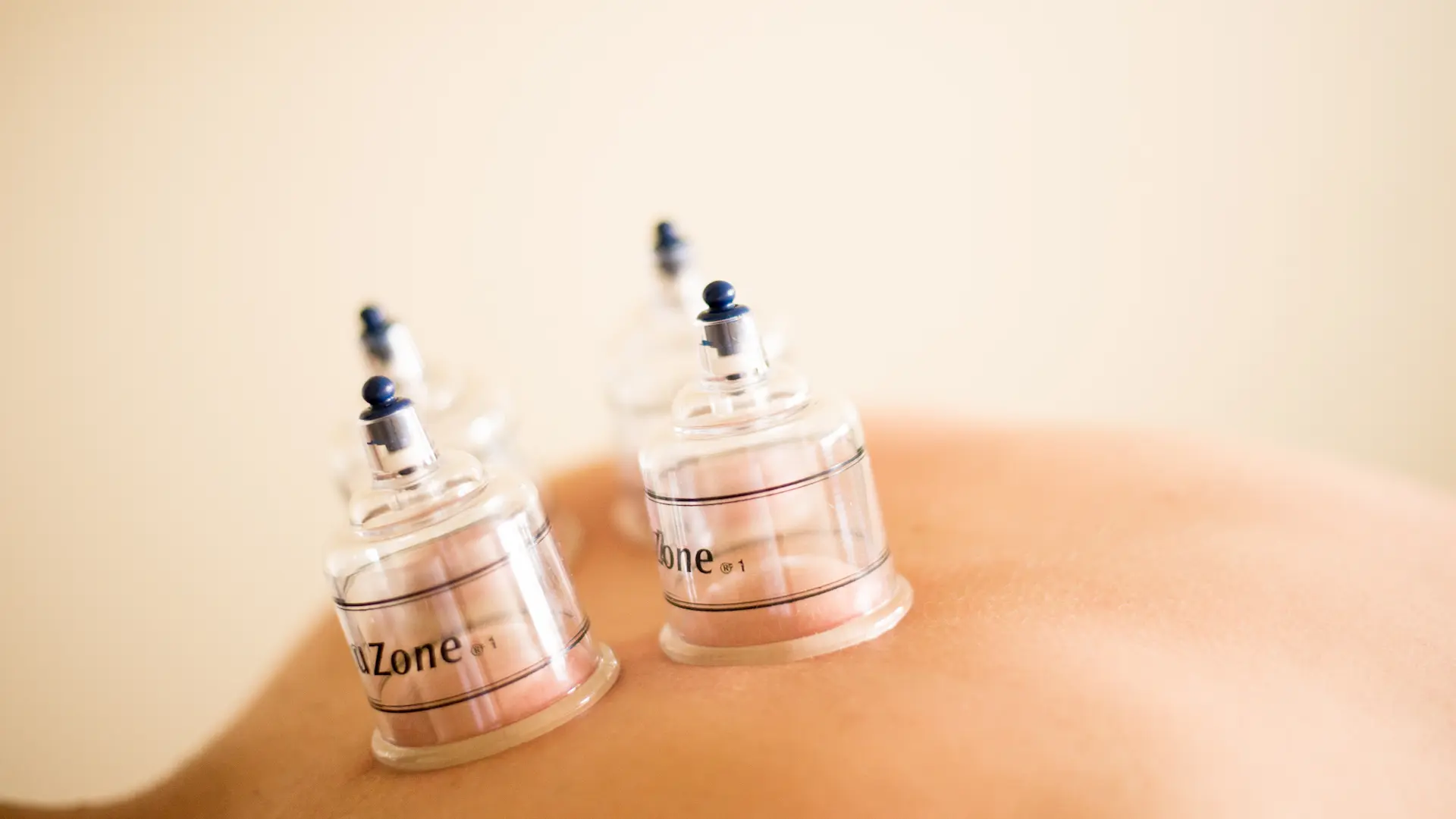
Cupping Therapy
Cupping uses controlled suction rather than manual pressure and may be considered for selected soft-tissue symptoms.
Explore cuppingYou Do Not Need to Pick the Perfect Treatment Before Contacting Us
Depending on the presentation, care may involve medical massage , acupuncture , acupressure , dry needling , electroacupuncture or cupping .
The treatment should follow the problem, patient preference and clinical response.
When Should Medical Massage Be Modified or Avoided?
Massage is generally low risk when appropriately performed, but treatment intensity and body region should be adjusted according to health history.
Health History Can Change the Treatment Plan
Please disclose relevant information including:
- blood-thinning medications,
- bleeding disorders,
- known or suspected blood clots,
- recent fractures,
- osteoporosis,
- recent surgery,
- open wounds or healing incisions,
- active infection or fever,
- fragile skin or significant bruising,
- neuropathy or reduced sensation,
- pregnancy, and
- relevant cancer treatment or surgical history.
You Do Not Need to “Flush Toxins” After Massage
Drink normally according to thirst and your medical needs.
There is no established requirement to consume unusually large amounts of water to flush lactic acid, toxins or metabolic waste after massage.
Mild temporary soreness can occur, but significant or worsening pain should not be assumed to mean treatment was more effective.
Focused Manual Therapy on Long Island's North Shore
Messina Acupuncture PC serves patients from East Setauket, Stony Brook, Port Jefferson, the Three Village community and surrounding North Shore areas.
Medical massage is offered as part of the practice's broader orthopedic-focused approach to pain, muscle tenderness, mobility and function.
You do not need to decide between medical massage, acupuncture, acupressure or dry needling before contacting the office. Describe the problem and the team can help identify a reasonable starting point.
Learn More About the Pain Pattern
Ask Before Assuming Medical Massage Is Covered
Insurance benefits vary by plan and by how a service is billed. Contact the office with your insurance information and the team can help review available benefits.
Questions Patients Ask Before Booking
What is medical massage?
Medical massage is goal-based massage therapy organized around a specific complaint, movement limitation or symptomatic region. Treatment is tailored rather than following the same full-body routine for every patient.
Is medical massage different from a regular massage?
The techniques may overlap. The main difference is the treatment goal. Medical massage is typically focused on a specific symptom or functional problem, while relaxation massage may be designed primarily around general comfort.
Does medical massage hurt?
It should not require severe pain. Some areas may feel tender and some techniques use firm pressure, but treatment intensity should remain tolerable.
Is deep-tissue massage better than lighter massage?
Not automatically. Appropriate pressure depends on the condition, body region, patient preference and treatment goal. More pressure does not guarantee a better result.
Can medical massage help back pain?
Massage may help selected patients, particularly when muscular tenderness or guarding contributes to symptoms. Persistent, radiating or neurological symptoms may require additional evaluation.
Can massage help neck pain?
Massage may improve pain or comfort in selected people with neck pain. Research results vary by treatment comparison and study quality.
Can medical massage help headaches?
It may help when headache symptoms overlap with neck, jaw, temple or shoulder tenderness. New, severe, rapidly worsening or unusual headaches should be medically evaluated.
Does massage break up knots or fascia?
Massage provides mechanical and sensory stimulation and may change pain, tenderness or perceived stiffness. Benefit does not require tissue to be physically broken apart, melted or permanently released.
Do I need to drink extra water after massage?
Normal hydration according to thirst and medical needs is generally appropriate. There is no established need to drink unusually large amounts of water to flush toxins or lactic acid after massage.
How many medical massage sessions will I need?
There is no fixed evidence-based visit count that applies to everyone. Treatment should depend on the condition, functional limitations, response to care and whether meaningful improvement is occurring.
Can massage be combined with acupuncture?
Yes. Medical massage may be used alongside acupuncture, acupressure, dry needling, electroacupuncture or cupping when the combination fits the patient's presentation and preferences.
When should massage be avoided?
Direct massage may need to be avoided or modified around suspected blood clots, open wounds, active infection, recent fractures, healing surgery or other medically sensitive areas. Relevant health conditions should be disclosed before treatment.
Focus the Treatment on What Is Actually Limiting You
If back pain, neck pain, shoulder tension, jaw discomfort, muscle soreness or restricted movement is getting in the way of daily life, Messina Acupuncture PC can help determine whether medical massage or another care option may be an appropriate starting point.