
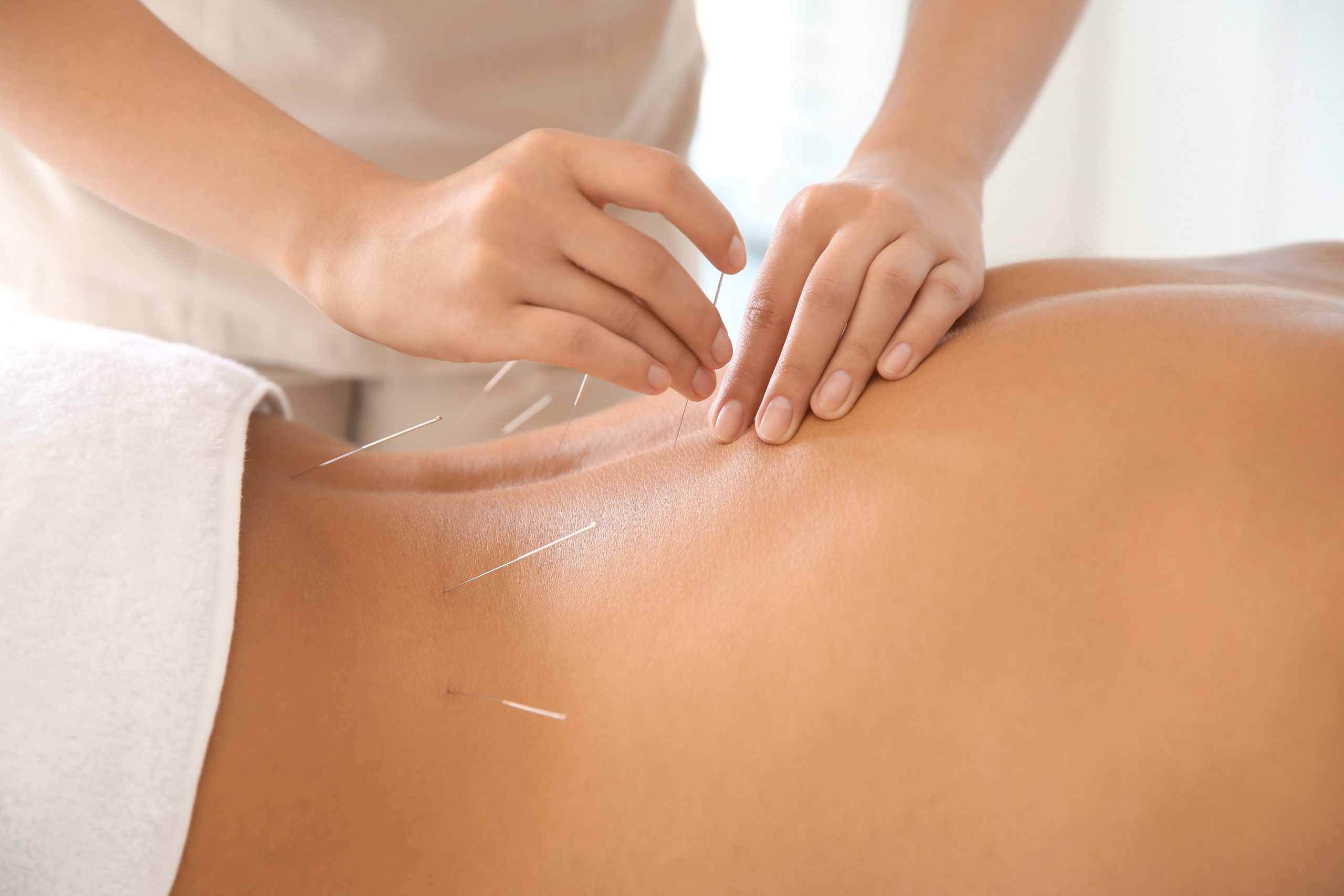
Benign prostatic hyperplasia (BPH) and chronic prostatitis affect most men as they age, and many are looking for options beyond daily medication. This guide explains the difference between BPH and prostatitis, how acupuncture may help urinary and pelvic symptoms, where the needles actually go, and what the research honestly supports, in East Setauket.
He was 58, and the 2 AM bathroom trips had become so routine he had stopped fighting them. The alpha-blocker his urologist prescribed helped the stream but left him lightheaded in the mornings, and the idea of surgery felt premature. A friend mentioned acupuncture, and his first question was the one every man asks: where exactly do the needles go?
The direct answer: not there. Acupuncture for prostate health uses points on the lower abdomen, lower back, sacral region, and legs. Needles are never placed in the genital or rectal area. At Messina Acupuncture in Setauket, we work with men’s health cases regularly, and we start with an important distinction that changes everything about the plan: BPH and prostatitis are different conditions.
Key Takeaways
- BPH vs. prostatitis: BPH is non-cancerous prostate enlargement that obstructs urine flow. Chronic prostatitis/chronic pelvic pain syndrome (CP/CPPS) is pelvic pain and urinary symptoms, often without infection. Acupuncture’s best evidence is for CP/CPPS symptoms, not for shrinking the prostate.
- How it may work: sacral nerve modulation influencing bladder and pelvic floor function, reduced pelvic inflammation, improved pelvic circulation, and calming of the nervous system sensitization that amplifies pelvic pain.
- The evidence: a Cochrane review found acupuncture probably decreases CP/CPPS symptoms compared with sham and with standard medical therapy. Evidence for BPH itself is more limited. Acupuncture does not treat prostate cancer or cure bacterial prostatitis.
- Where needles go: lower abdomen, lower back, sacral region, and legs. Never the genital or rectal area. Most patients find sessions comfortable.
- Typical course: plans often run 6 to 12 sessions over 8 to 12 weeks for CP/CPPS symptoms. BPH-related symptoms may need longer courses, and expectations should be modest.
- Safety: continue your urologist’s care. Blood in urine, inability to urinate, fever with pelvic pain, or a rising PSA needs prompt urological evaluation, not acupuncture.
BPH and Prostatitis Are Different Conditions
Getting this distinction right is the foundation of honest care. Benign prostatic hyperplasia is the non-cancerous enlargement of the prostate that narrows the urethra, causing weak stream, hesitancy, urgency, and nighttime urination. Chronic prostatitis/chronic pelvic pain syndrome (CP/CPPS) is persistent pelvic or perineal pain with urinary symptoms, often lasting months, usually without bacterial infection. Many men have features of both. Acupuncture’s strongest evidence is for CP/CPPS symptom relief; the evidence for BPH is more limited, and no study shows acupuncture shrinking the prostate or replacing BPH medication.
How Acupuncture May Help Prostate and Pelvic Symptoms
Research points to several plausible pathways. Sacral and lower-abdominal needling can modulate the sacral nerve pathways that govern bladder and pelvic floor function. Acupuncture appears to reduce local inflammatory mediators in pelvic tissue and improve pelvic microcirculation. For CP/CPPS, where nervous system sensitization amplifies pain, needling may help downregulate that sensitized state. These are symptom-modifying effects, not disease-reversing ones, and that framing matters: the goal is better urinary function and less pelvic pain, alongside your urologist’s care.
Where the Needles Actually Go
This deserves a direct answer because it is the question that keeps men from booking. Prostate-related acupuncture uses points on the lower abdomen (such as CV3, CV4, and ST28), the lower back and sacral region (including BL32 and BL33), and the legs (SP6, KI3). Needles are never placed in the genital or rectal area. Sessions are done fully clothed from the waist down in draping that keeps you covered, and most patients describe the experience as comfortable and relaxing.
What a Typical Course Looks Like
For CP/CPPS symptoms, plans often run 6 to 12 sessions over 8 to 12 weeks, mirroring the protocols used in the clinical trials. For BPH-related urinary symptoms, expectations should be modest and courses may be longer, with progress measured by symptom scores like the IPSS (International Prostate Symptom Score) rather than promises. We reassess at regular intervals, and if a full course produces no meaningful change, we will tell you. Acupuncture works best as part of a broader plan: your urologist’s medications or procedures, pelvic floor awareness, fluid timing, and the lifestyle measures below.
Lifestyle Support That Actually Helps
The unglamorous measures matter: limit fluids in the 2 to 3 hours before bed, cut back on evening caffeine and alcohol, avoid holding urine for long periods, stay active, and manage constipation, which worsens urinary symptoms. These do not replace medical care, but they make every other intervention work better, including acupuncture.
Evidence Note: probable benefit for CP/CPPS symptoms, limited for BPH
The key synthesis is Franco et al. (Cochrane Database of Systematic Reviews, 2018), which concluded that acupuncture probably decreases prostatitis symptoms compared with sham acupuncture and compared with standard medical therapy, based on low-to-moderate quality evidence. The trials studied chronic prostatitis/chronic pelvic pain syndrome, not BPH. Evidence for acupuncture in BPH itself is more limited, and no credible evidence shows acupuncture shrinking the prostate, reversing BPH, curing bacterial prostatitis, or treating prostate cancer. Our position: acupuncture is a reasonable adjunct for CP/CPPS symptoms alongside urological care, with modest expectations for BPH-related urinary symptoms.
Your First Visits, Step by Step
Assessment and first treatment (60 to 75 minutes)
We review your urological history, current medications, and any PSA or imaging results, assess your symptom pattern (BPH-type vs. CP/CPPS-type), and begin a first treatment. Bring your medication list and recent urology notes if you have them.
Follow-up sessions (30 to 45 minutes)
Plans often run 6 to 12 sessions over 8 to 12 weeks for CP/CPPS symptoms. We track the IPSS or a pain diary so progress is measurable.
After each visit
Most patients feel relaxed after sessions. Continue your prescribed medications unless your urologist advises otherwise. Note any changes in stream, urgency, nighttime trips, or pelvic discomfort for our reassessments.
Why Choose Licensed Care
Licensed and coordinated care. Before booking acupuncture anywhere, confirm three things: the practitioner is licensed in New York State, they use sterile single-use needles, and they will communicate with your urologist or primary care provider. Messina Acupuncture meets all three. Acupuncture complements urological care; it never replaces it.
Acupuncture is not the right step for blood in the urine or semen, inability to urinate, fever or chills with pelvic pain, severe pelvic or flank pain, or a rising or concerning PSA. Prostate cancer screening and monitoring belong with your urologist. Acupuncture does not treat prostate cancer, does not cure bacterial prostatitis (which needs antibiotics), and does not replace BPH medication or procedures. New urinary symptoms in any man warrant a urological evaluation before starting acupuncture.
Frequently Asked Questions
Can acupuncture shrink an enlarged prostate?
No. There is no credible evidence that acupuncture reduces prostate size or reverses BPH. The research support is for symptom relief, particularly for chronic prostatitis/chronic pelvic pain syndrome, not for changing the gland itself.
Where do the needles go for prostate treatment?
Points on the lower abdomen, lower back, sacral region, and legs. Needles are never placed in the genital or rectal area. Sessions are done with proper draping and most patients find them comfortable.
How many sessions will I need?
For CP/CPPS symptoms, plans often run 6 to 12 sessions over 8 to 12 weeks. BPH-related urinary symptoms may need longer courses with modest expectations. We track symptom scores and reassess regularly.
Is acupuncture safe if I take BPH medication?
Acupuncture is generally complementary to prescribed BPH medications. Never change or stop a prescription without your urologist. Tell your acupuncturist about every medication at intake.
Does insurance cover acupuncture for prostate issues in New York?
Coverage varies by plan and diagnosis. Some commercial plans cover acupuncture for chronic pain conditions, which can include CP/CPPS. Call our front desk at 631-403-0504 and we will verify your benefits before your first visit.
Can acupuncture help with prostate cancer?
No. Acupuncture does not treat prostate cancer and must never delay or replace oncology care. Some cancer patients use acupuncture for symptom support during treatment, coordinated with their oncology team.
Ready for an Honest Conversation About Your Options?
If urinary symptoms or pelvic discomfort are affecting your days and nights, get an evaluation that tells you straight what acupuncture can and cannot do for your specific condition. We will review your urological history, assess your symptom pattern, and coordinate with your urologist. Call to schedule your initial visit.
Messina Acupuncture PC
100 N Country Road, East Setauket, NY 11733
Sources and Further Reading
- Franco JVA et al. Acupuncture for chronic prostatitis/chronic pelvic pain syndrome. Cochrane Database of Systematic Reviews, 2018.
- National Center for Complementary and Integrative Health: Acupuncture effectiveness and safety.
- New York State Office of the Professions: Acupuncture consumer information.