
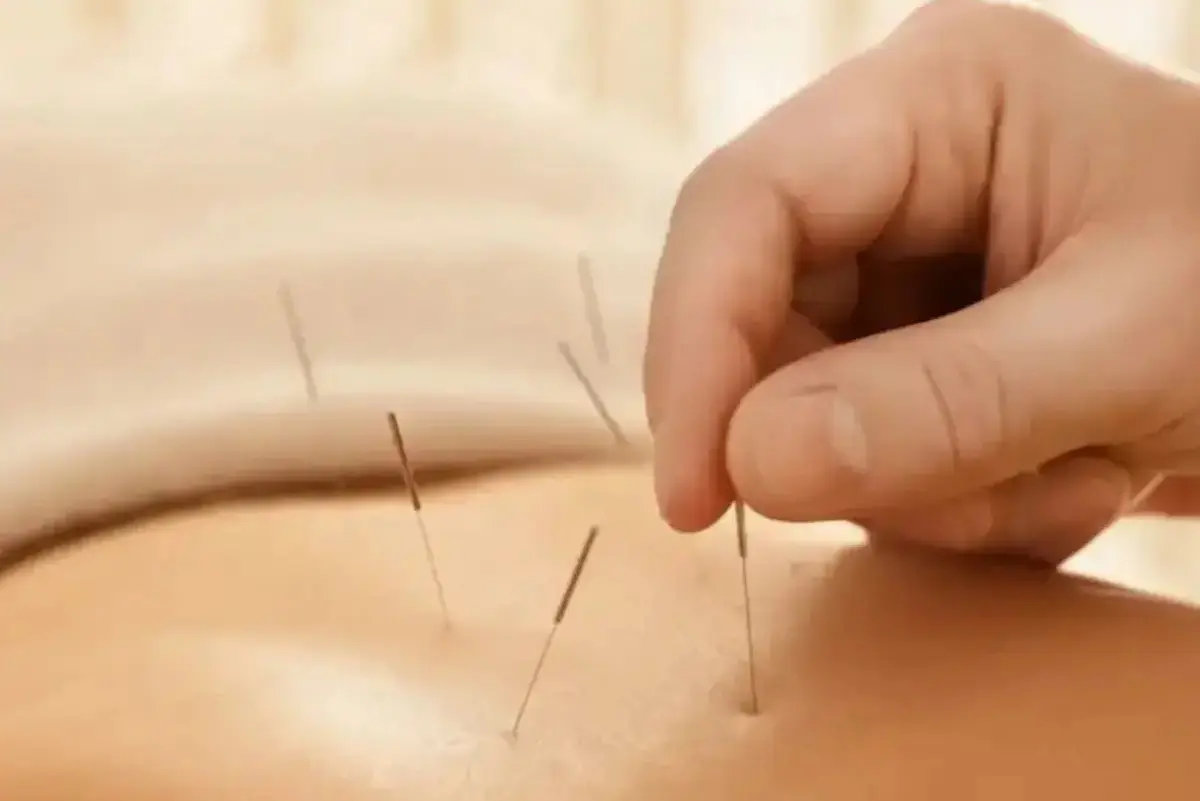
Holistic health means treating the person, not just the symptom: your pain, sleep, stress, and daily function as one connected picture. This guide explains how acupuncture fits that whole-person model, what the research supports, and the full range of services available at Messina Acupuncture in East Setauket.
She came in for low back pain that had been with her for two years, but by the second visit she mentioned she was also sleeping better and felt less wired at the end of the workday. Nobody had treated those things directly. Her body was simply functioning better as a whole, which is the point of a holistic approach: when pain, sleep, and stress are connected, the treatment plan should be connected too.
At Messina Acupuncture in East Setauket, holistic care is practical, not vague. It means a full assessment, an individualized plan that may combine acupuncture with dry needling or medical massage, and measurable goals for pain, movement, sleep, and daily function. Here is how it works.
Key Takeaways
- Whole-person framing: acupuncture treats symptoms while addressing physical, emotional, and preventive needs. Two patients with the same back pain may receive different plans because their underlying patterns differ.
- How it works: needling influences nervous system signaling, local circulation, and the body’s own pain-control chemistry, including endorphins, while shifting autonomic balance toward rest and recovery.
- Strongest support: research supports acupuncture for chronic low back pain, neck pain, knee osteoarthritis, and some chronic headache disorders, often as a drug-sparing option.
- Services at Messina: acupuncture, dry needling for myofascial trigger points, medical massage for soft-tissue mobility, and acupressure techniques you can use at home between visits.
- What to expect: a first visit with a thorough history and focused musculoskeletal exam, then a personalized plan. Most chronic conditions start with weekly sessions, tapering as you improve.
What Holistic Health Means in Practice
Within Traditional Chinese Medicine, practitioners use pattern diagnosis to group signs into syndromes, such as Qi stagnation or blood stasis, that guide point selection and treatment choices. Qi, often described as vital energy, can be understood in modern terms as the coordinated neural, circulatory, and autonomic activity that supports repair, immune response, and stress resilience. Practically, this means your acupuncturist is looking for the pattern driving the symptom, not just the symptom itself, which is why treatment plans shift over time from short-term symptom control to broader restorative strategies.
How Acupuncture Supports Pain Relief and Wellness
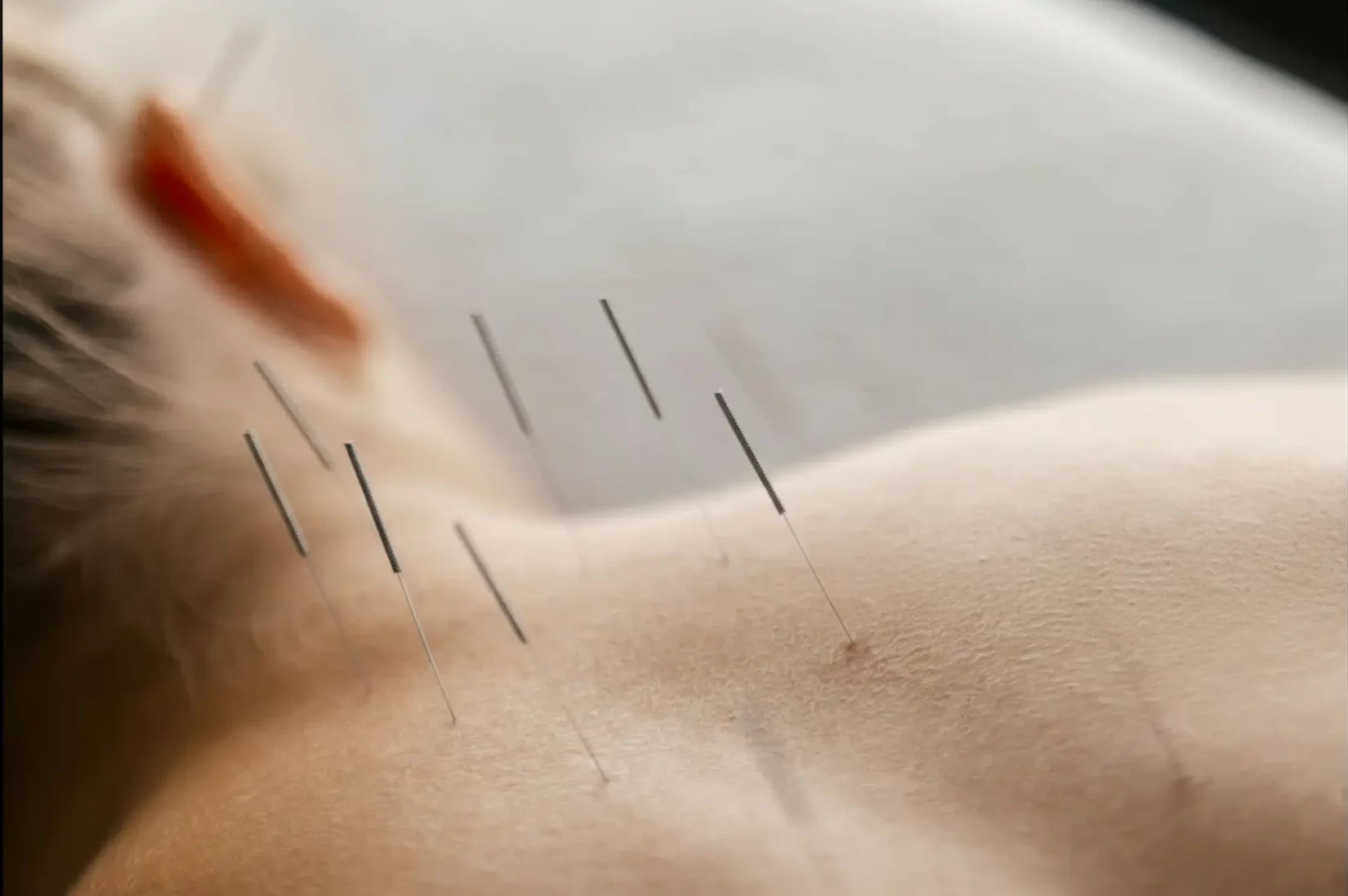
Acupuncture relieves chronic pain through complementary pathways: modulating nervous system activity, lowering inflammation, and activating the body’s own pain-control systems. Needling can stimulate release of endogenous opioids like endorphins and enkephalins, shift autonomic balance toward parasympathetic activity, and improve local microcirculation, which supports tissue recovery. This is also why many patients notice secondary gains in sleep quality and stress resilience: the same regulatory shifts that ease pain tend to calm the nervous system overall.
Services That Work Together
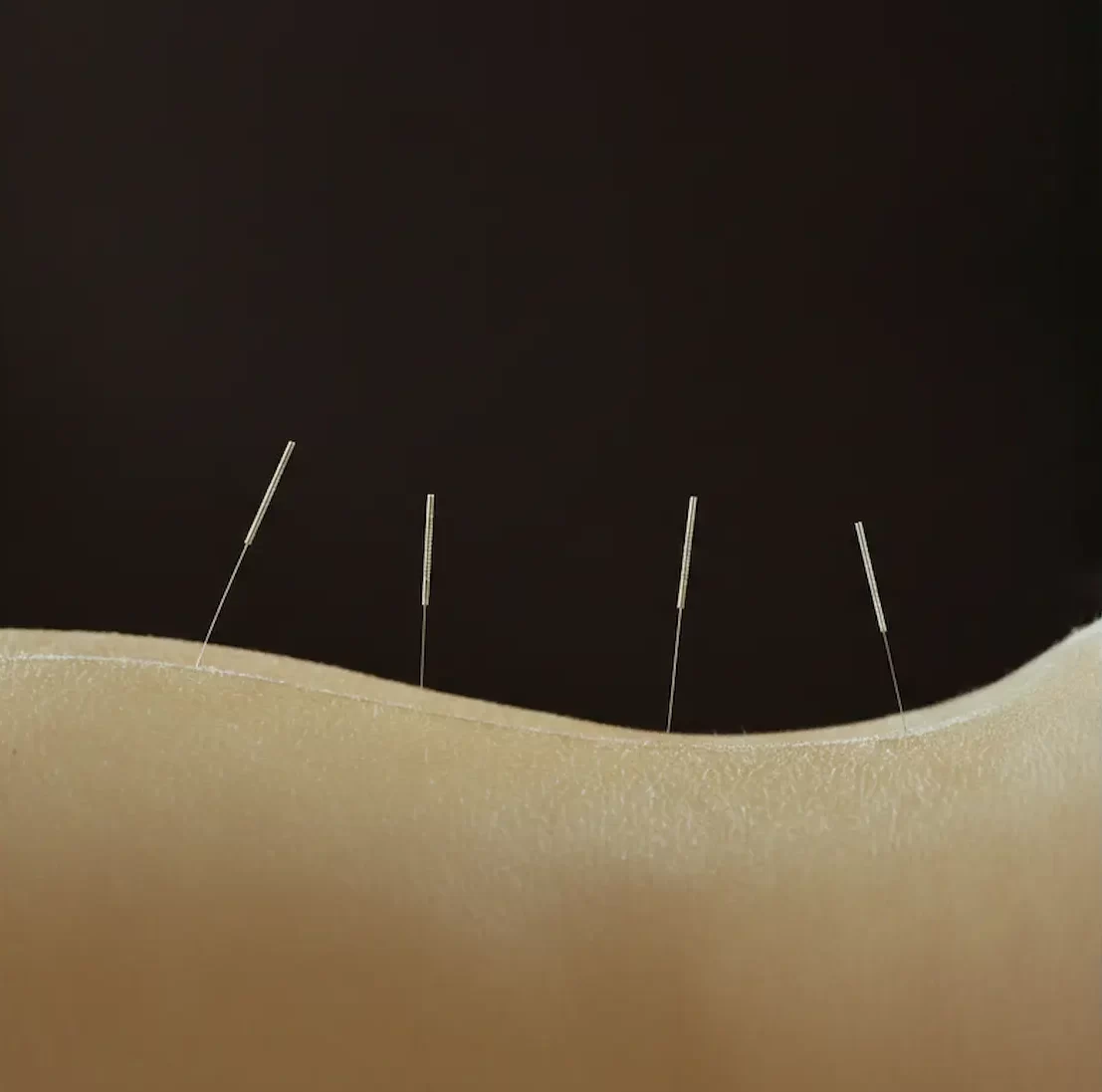
Acupuncture promotes systemic regulation for sleep, mood, and chronic pain. Dry needling provides rapid mechanical release of trigger points for focused relief. Medical massage restores fascial glide and joint range of motion, supporting active rehabilitation. Acupressure teaches simple self-care pressure techniques to use between visits. Protocols commonly use needling or acupuncture to modulate pain, then follow with massage to reinforce mobility, an integrated approach that often speeds recovery. We monitor progress with pain scores, range-of-motion measures, and activity goals so improvement is something you can see.
Booking and What Your First Visit Looks Like
Your first visit includes a comprehensive health history and a focused musculoskeletal exam to identify patterns and set goals, followed by a tailored treatment that may include acupuncture, dry needling, or medical massage. Wear comfortable clothing and bring a list of medications and your main goals. Our front desk verifies insurance benefits before your first visit; we accept major plans, though coverage varies by plan and diagnosis, so we check yours specifically.
Evidence Note: strong support for several chronic pain conditions
The broadest synthesis of acupuncture for pain is the Acupuncture Trialists’ Collaboration individual patient data meta-analysis (Vickers et al., Journal of Pain, 2018), which pooled raw trial data across chronic musculoskeletal pain, osteoarthritis, chronic headache, and shoulder pain. Its conclusion: acupuncture is effective for chronic pain, treatment effects persist over time, and the benefits cannot be explained solely in terms of placebo effects. The National Center for Complementary and Integrative Health similarly describes acupuncture as a reasonable option for several chronic pain conditions when delivered by a trained, licensed practitioner. Effects are modest on average and vary by condition and patient, which is why honest goal-setting at the first visit matters.
Your First Visits, Step by Step
Assessment and first treatment (60 to 75 minutes)
We take a full health history, perform a focused musculoskeletal exam, identify your patterns and goals, and begin a tailored first treatment. Bring a list of medications and your insurance details so we can verify benefits.
Follow-up sessions (30 to 45 minutes)
Most chronic conditions start with weekly sessions for a few weeks, then move to biweekly or monthly as you improve. Plans often combine acupuncture with dry needling, medical massage, or acupressure homework.
After each visit
Mild soreness, brief fatigue, or small bruising can occur and usually resolves quickly. Gentle movement, hydration, and normal sleep support recovery. We track pain scores, range of motion, and activity goals so progress is measurable.
Why Choose Licensed Care
Licensed and coordinated care. Before booking acupuncture anywhere, confirm three things: the practitioner is licensed in New York State, they use sterile single-use needles, and they will communicate with your physician or physical therapist when needed. Messina Acupuncture meets all three, and we coordinate with your physician, physical therapist, or other providers as needed.
Acupuncture is a complement to medical care, not a substitute for it. Check with your physician first for new or unexplained symptoms, progressive neurological changes, chest symptoms, or signs of infection. Serious adverse events are rare in trained hands, but needling should never delay evaluation of a potentially serious condition. Tell your acupuncturist about all medications, implanted devices, and bleeding disorders at intake.
Frequently Asked Questions
What should I expect during my first acupuncture appointment?
Your first visit includes a comprehensive health history and a focused physical evaluation. After assessment, we begin a tailored treatment plan that may include acupuncture, dry needling, or medical massage. Wear comfortable clothing and bring a list of medications.
How often should I schedule sessions for chronic pain?
Frequency depends on your condition and response. We typically start with weekly sessions for a few weeks, then move to biweekly or monthly visits as you improve. Regular follow-ups let us refine the plan.
Can acupuncture be used alongside other treatments?
Yes. Acupuncture complements physical therapy, medications, and lifestyle interventions, and many patients do better with coordinated care. Always inform your other providers about your treatments so care stays aligned.
Are there side effects?
When performed by a qualified clinician, acupuncture is generally safe. Minor effects can include brief soreness, temporary fatigue, or mild bruising. Serious complications are rare. Discuss any concerns with your practitioner before treatment.
Can acupuncture help with stress?
Many patients report better relaxation, sleep, and stress resilience with regular sessions, consistent with acupuncture’s effects on autonomic balance and endorphin release. It works well alongside other stress-management strategies.
Does insurance cover acupuncture?
We accept major plans including NYSHIP, UnitedHealthcare, Oxford, Blue Cross Blue Shield, and Cigna, but coverage varies by plan and diagnosis. Our front desk verifies your benefits before your first visit. Call 631-403-0504 and we will check for you.
Ready for Care That Looks at the Whole Picture?
If pain, poor sleep, or daily stress are running together, a whole-person plan may be what has been missing. Daniel Messina, MSOM, L.Ac., and our team will assess your full picture and build an individualized plan with clear, measurable goals. Call to schedule your initial evaluation.
Messina Acupuncture PC
100 N Country Road, East Setauket, NY 11733
Sources and Further Reading
- Vickers AJ et al. Acupuncture for chronic pain: update of an individual patient data meta-analysis. Journal of Pain, 2018;19(5):455-474.
- National Center for Complementary and Integrative Health: Acupuncture effectiveness and safety.
- New York State Office of the Professions: Acupuncture consumer information.