
Fall Sports Recovery on Long Island
Early fall often means a sudden increase in running mileage, soccer practices, pickleball, gym sessions, weekend races, and recreational sports across Long Island. When training volume changes faster than the body is ready for, soreness, muscle guarding, joint discomfort, and familiar pain patterns can return.
Pain After Training Does Not Always Mean the Same Thing
A sore calf after increasing running mileage is different from an ankle that twisted during a game. Shoulder muscle tension after racquet sports is different from a traumatic rotator cuff injury. And recurring low-back pain during training is different from a new injury that causes weakness or neurological symptoms.
That distinction matters because acupuncture, dry needling, cupping, and medical massage are not substitutes for diagnosing fractures, major ligament injuries, tendon ruptures, or other conditions that require medical or orthopedic evaluation.
Common Fall Training Pain Patterns
The change from a lighter summer schedule into a busier fall training season can expose pain patterns that were already present or create new irritation when workload rises too quickly.
Calf, Hamstring and Lower-Leg Tightness
Increased mileage, hills, speed work, new footwear, and changes in running frequency can overlap with muscle soreness, calf guarding, hamstring tightness, or lower-leg discomfort.
Low-Back Pain With Training
Lifting, running, prolonged sitting, travel to practices, and repetitive bending can aggravate recurring low-back pain and muscle guarding.
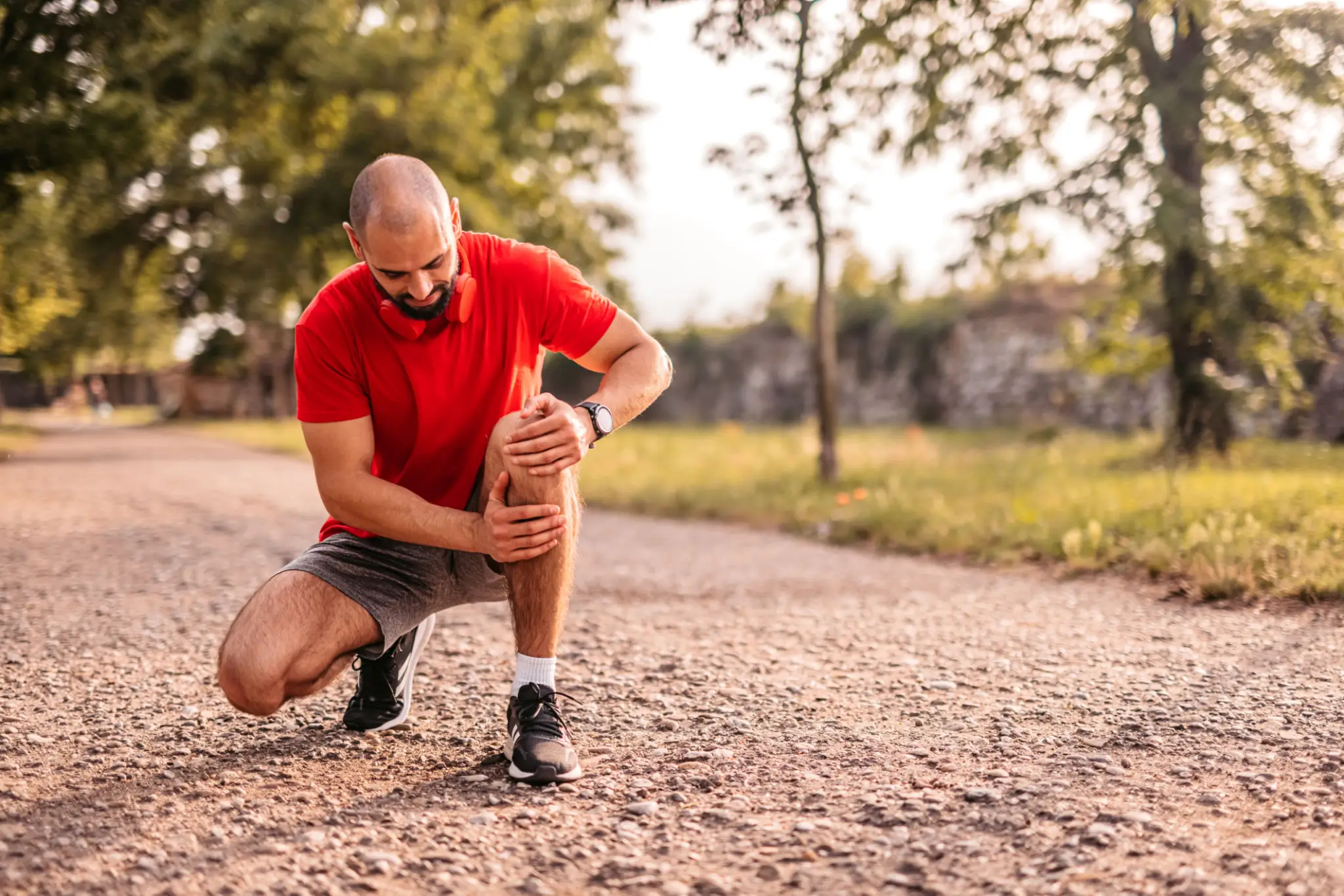
Knee and Surrounding Muscle Pain
Running, cutting sports, squatting, stairs, and sudden changes in training can aggravate the knee or the muscles surrounding it. The exact structure involved matters, especially when swelling or instability is present.
Throwing and Racquet-Sport Tension
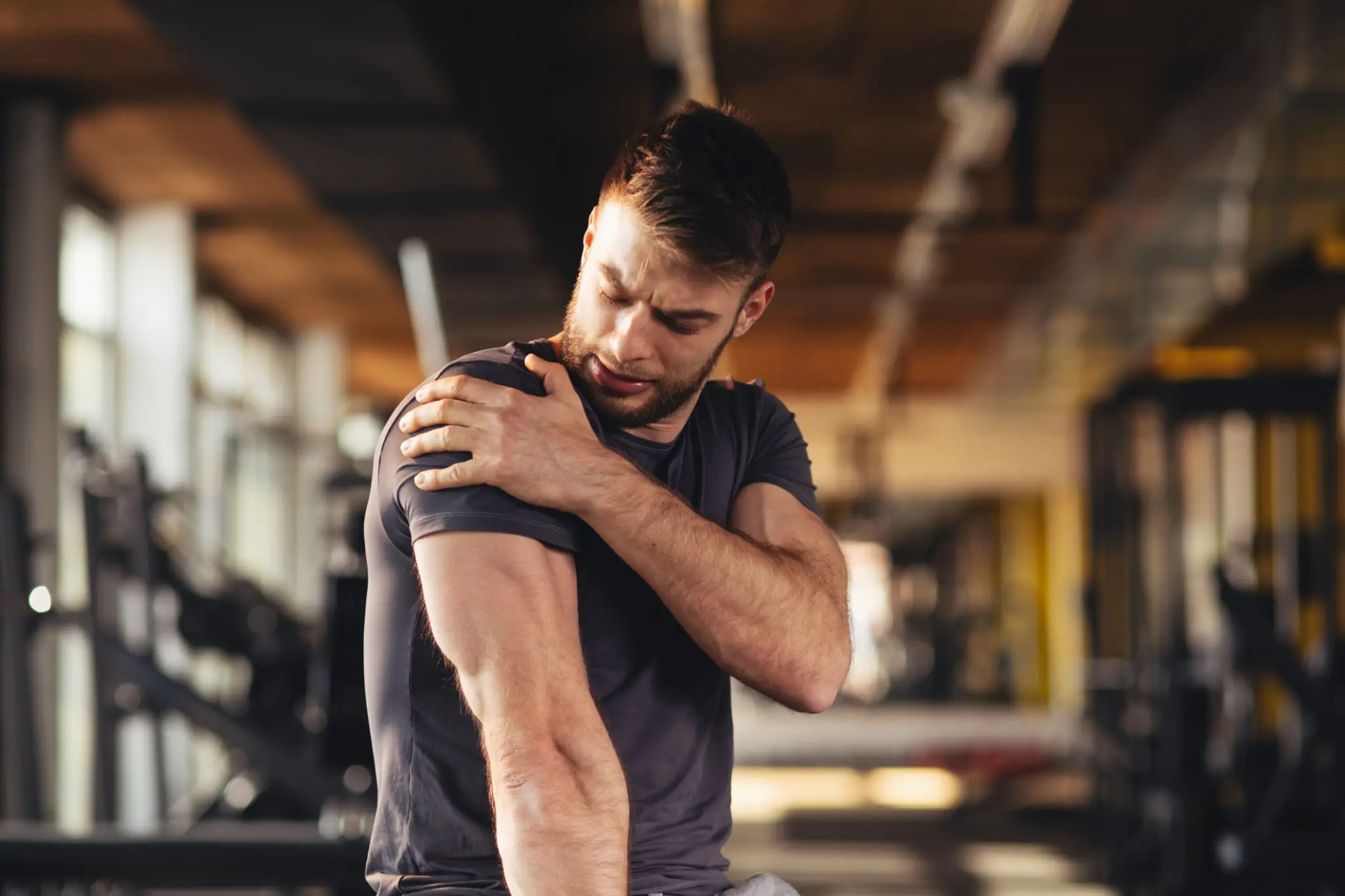
Pickleball, tennis, swimming, throwing sports, and weight training can contribute to shoulder and upper-back pain. Persistent weakness, loss of motion, or pain after trauma deserves medical assessment.
Neck and Upper-Back Guarding
Training is only part of the week. Desk work, driving, carrying equipment, and screen time can contribute to neck and upper-trapezius tension between workouts.
Recurring Pain That Returns With Activity
A pattern that repeatedly improves with rest and returns as activity increases may need more than temporary symptom relief. Training load, strength, movement, footwear, technique, and the underlying diagnosis may all matter.
Where Acupuncture Fits Into Sports Recovery
Acupuncture is better understood as one possible component of a pain-management and recovery plan than as a treatment that automatically “heals an injury.”
Research suggests acupuncture may be helpful for certain pain conditions, including low-back pain, neck pain, knee pain associated with osteoarthritis, and some headache patterns. Evidence is not equally strong for every muscle, tendon, ligament, or sports injury.
What Current Research Supports
The National Center for Complementary and Integrative Health reports that acupuncture may help with several pain conditions, particularly back or neck pain and knee osteoarthritis pain. For low-back pain specifically, research suggests modest benefit for acute pain and more established benefit for chronic pain.
That evidence supports considering acupuncture for selected pain patterns. It does not establish that acupuncture repairs a torn ligament, closes a muscle tear, restores an unstable joint, or universally accelerates return to sport.
The Treatment Tool Should Follow the Evaluation
At Messina Acupuncture PC, acupuncture is not automatically used simply because someone is active or describes a sports injury. The practitioner first looks at the location of pain, movement, range of motion, muscle guarding, trigger points, symptom behavior, injury history, and what activities currently provoke the problem.
Depending on that pattern, care may involve acupuncture, dry needling, medical massage, cupping, electroacupuncture, or a referral for medical evaluation or rehabilitation.
Acupuncture, Dry Needling, Massage and Cupping: What Is the Difference?
Broader Pain and Movement Patterns
Acupuncture uses fine, sterile, single-use needles at selected points. It may be considered when pain involves a broader pattern rather than one isolated trigger point.
Treatment selection can include local and distal points based on the patient’s symptoms, examination findings, and response to care.
Trigger Points and Localized Muscle Guarding
Dry needling is a targeted needle technique used for myofascial trigger points, muscle knots, referred pain, and guarded movement.
Research suggests dry needling may help pain or stiffness in selected musculoskeletal conditions, but it should not be presented as a proven way to accelerate tissue healing or improve athletic performance.
Soft-Tissue Work and Mobility
Medical massage uses hands-on soft-tissue techniques for pain, muscle tension, posture-related strain, mobility limitations, and recovery.
It may stand alone or be incorporated into a broader care plan when hands-on work is appropriate.
Soft-Tissue Decompression
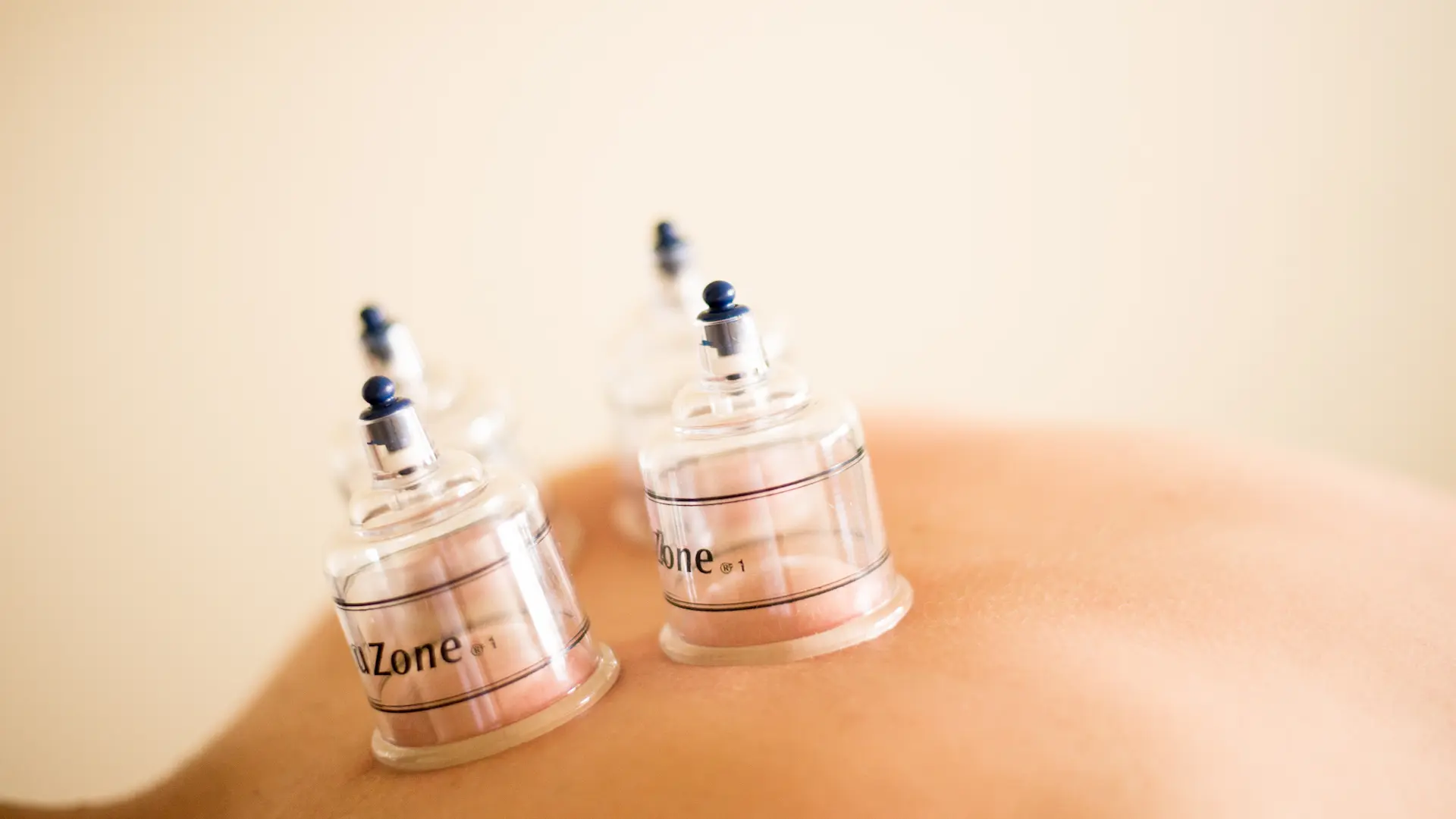
Cupping therapy uses controlled suction over selected areas of soft tissue. Some patients find it useful for temporary muscle tightness or soreness.
Cupping can leave temporary circular marks and is not needed for every sports-related pain pattern.
Added Electrical Stimulation
Electroacupuncture applies gentle electrical stimulation through selected acupuncture needles.
At Messina Acupuncture PC, it is used selectively for certain chronic pain, nerve-related, deep muscle-guarding, or plateaued cases after appropriate screening.
A Needle-Free Option
Acupressure uses manual pressure on selected points and tender tissue. It can be useful for patients who prefer to begin without needles.
What Does the Evidence Say About Dry Needling for Athletes?
Dry needling is popular in sports and orthopedic settings, but popularity should not be confused with proof that it speeds recovery.
Pain Relief Is Better Supported Than Performance Enhancement
A systematic review examining dry needling in sports found that studies generally reported more favorable results for pain and muscle stiffness than for athletic performance measures. The authors also identified substantial gaps in the evidence, including limited long-term research.
A separate 2026 systematic review comparing dry needling and exercise for musculoskeletal pain found that most included studies did not show an additional pain benefit from dry needling over exercise alone. Some specific conditions did show better results when dry needling and exercise were combined.
That is one reason we view dry needling as a potential adjunct, not a replacement for progressive exercise, rehabilitation, strength work, or load management when those are indicated.
Recovery Is More Than Pain Relief
Feeling Better and Being Ready to Return to Sport Are Not the Same Thing
A reduction in pain after treatment can be useful, but pain is only one part of athletic recovery. Depending on the injury, safe return to sport may also require restoration of strength, joint stability, range of motion, balance, coordination, endurance, and tolerance to sport-specific loading.
An athlete with a sprained ankle, for example, may feel less sore before the ankle has regained enough stability for cutting and jumping. Someone with shoulder pain may feel looser before normal strength has returned.
When rehabilitation, physical therapy, imaging, or orthopedic evaluation is appropriate, acupuncture should work alongside that plan rather than replace it.
What to Do After a Minor Fresh Sprain or Strain
If an injury appears mild and does not have warning signs that require medical evaluation, basic early self-care can help while you monitor how it responds.
Relative Rest
Stop or reduce the activity that caused significant pain, swelling, or instability. That does not necessarily mean complete inactivity.
Ice for Comfort and Swelling
Mayo Clinic recommends applying a cold pack for roughly 15 to 20 minutes at a time during the first few days after a sprain. Keep a cloth between the ice and your skin.
Compression
An elastic wrap may help control swelling for some limb injuries. It should not be so tight that it causes numbness, increased pain, or changes in skin color.
Elevation
Elevating an injured ankle or leg can help with swelling, particularly during the early phase.
Gradual Movement
As pain and swelling improve, gradual movement is generally preferable to keeping a minor sprain completely inactive for an extended period.
Do Not Rush the Return
Being able to walk without much pain does not automatically mean an ankle, knee, shoulder, or other injured area is ready for full-speed sport.
Review Mayo Clinic’s current sprain first-aid guidance .
When to Get Medical or Orthopedic Evaluation First
Seek Medical Evaluation When the Injury May Be More Than a Mild Strain
Acupuncture, dry needling, massage, and cupping should not delay appropriate evaluation after significant trauma.
- You cannot bear weight or use the injured joint normally.
- The joint feels unstable, gives way, or appears visibly deformed.
- There is severe pain directly over a bone.
- You heard or felt a significant pop followed by loss of strength or function.
- There is major swelling or bruising shortly after the injury.
- You develop persistent numbness, tingling, weakness, or loss of normal sensation.
- An injured area becomes unusually red, hot, or increasingly swollen, particularly with fever or concern for infection.
- Pain is worsening rather than improving or the injury is not progressing as expected.
What a Sports-Related Pain Visit at Messina Looks Like
The first goal is not to decide which needle technique to use. It is to understand what happened and what currently limits you.
Review the Injury and Training History
We look at when symptoms began, whether there was a specific traumatic event, recent changes in training volume, prior injury, what movements provoke symptoms, and what you are trying to return to.
Assess Movement and Tissue Behavior
Depending on the problem, this may include range of motion, palpation, muscle guarding, trigger-point behavior, gait, posture, and other orthopedic-style screening.
Choose the Appropriate Tool
Acupuncture, dry needling, acupressure, medical massage, cupping, or electroacupuncture may be considered when appropriate. If the presentation needs medical imaging, physical rehabilitation, or specialist evaluation, treatment should not substitute for that.
Reassess What Changed
We look for meaningful changes in pain, motion, guarding, or function rather than assuming continued treatment is necessary simply because a patient is an athlete.
How Many Sessions Does a Sports-Related Pain Problem Need?
There is no responsible session count that applies to every athlete. A small area of muscle guarding after an increase in training load is very different from a tendon problem, recurrent low-back pain, chronic knee pain, or a true ligament injury.
The useful measure is whether function is changing. Is your range of motion improving? Is pain decreasing? Can you tolerate more of the activity that matters without a flare afterward? Is the problem continuing to recur every time training increases?
If treatment is not producing meaningful progress, the plan should be reconsidered rather than simply adding more sessions.
Messina Acupuncture PC is an orthopedic-focused acupuncture practice in East Setauket serving Stony Brook, Port Jefferson, Three Village, and communities throughout Long Island’s North Shore.
Care is led by Daniel Messina, MSOM, L.Ac., a New York State Licensed Acupuncturist and NCCAOM Board-Certified Diplomate. The practice has served the local community since 2016.
Messina Acupuncture PC
100 N Country Road
East Setauket, NY 11733
(631) 403-0504
Frequently Asked Questions About Fall Sports Recovery
Can acupuncture help a sports injury heal faster?
Research supports acupuncture for certain pain conditions, but it has not established that acupuncture universally accelerates healing of muscle tears, ligament sprains, tendon injuries, or fractures. It is more accurate to consider acupuncture as a possible part of pain management and recovery when appropriate.
Can dry needling help athletes?
Dry needling may help pain, muscle stiffness, or trigger-point-related symptoms in selected cases. Current sports research is more supportive of pain and stiffness outcomes than improvements in athletic performance, and exercise or rehabilitation may be equally or more important depending on the condition.
Is dry needling better than exercise?
Not necessarily. A recent systematic review found that most included studies did not show added pain benefit from dry needling over exercise alone. Some conditions may benefit from combining the two, which is why the treatment decision should be individualized.
Can acupuncture help back pain from running or sports?
Acupuncture has evidence supporting its use for some forms of low-back pain. Sports-related back pain still needs to be evaluated according to its actual pattern because muscle guarding, joint pain, disc-related symptoms, nerve irritation, training load, and other causes may require different approaches.
Should I use acupuncture immediately after a sprain or strain?
There is no universal rule that every fresh injury should be treated with acupuncture immediately. Significant trauma, inability to bear weight, instability, neurological symptoms, major swelling, suspected fracture, or loss of strength should be evaluated medically first. Mild soreness or nontraumatic muscle guarding may be appropriate for conservative assessment.
Can I keep training while receiving acupuncture or dry needling?
That depends on the condition. Treatment does not make an injured structure automatically safe for full activity. Training decisions should reflect pain, strength, stability, range of motion, rehabilitation progress, and the advice of the appropriate healthcare or sports-medicine professional.
What is the difference between acupuncture and dry needling?
Both use very thin needles, but the clinical framework differs. Acupuncture draws from Chinese medicine point theory as well as modern pain and anatomy-based approaches. Dry needling focuses more specifically on orthopedic anatomy, trigger points, muscle bands, motor points, and local neuromuscular patterns.
How many visits will I need?
There is no fixed number. The recommendation depends on the diagnosis or pain pattern, how long symptoms have been present, physical findings, activity demands, and whether measurable improvement occurs during care.
Start With the Injury Pattern, Not the Treatment Trend
If running, soccer, pickleball, gym training, or another fall activity has brought back muscle guarding, back pain, neck pain, joint discomfort, or a recurring soft-tissue pattern, Messina Acupuncture PC can evaluate whether acupuncture, dry needling, medical massage, cupping, or another care pathway may be appropriate.
Messina Acupuncture PC
100 N Country Road, East Setauket, NY 11733
Sources and Further Reading
- National Center for Complementary and Integrative Health: Acupuncture Effectiveness and Safety
- National Center for Complementary and Integrative Health: Chronic Pain and Complementary Health Approaches
- PubMed: Dry Needling in Sports and Sport Recovery Systematic Review
- PubMed: Dry Needling and Exercise for Musculoskeletal Pain
- Mayo Clinic: Sprain First Aid and When to Seek Care