

Feeling completely drained—no matter how much you rest, sleep, or try to push through it—is a sign your body is dealing with more than ordinary tiredness. Extreme fatigue is an intense, persistent exhaustion that affects your physical, mental, and emotional well-being. It becomes harder to concentrate, your muscles feel heavy, and even the simplest tasks can feel overwhelming.
For many people, this exhaustion is tied to a buildup of stress, muscle tension, insomnia, circulation issues, or chronic conditions. And while lifestyle changes can help, medical massage therapy has become one of the most effective natural approaches to restoring energy and helping the body reset.
At Messina Acupuncture, we use a therapeutic combination of acupressure & massage to help clients combat chronic fatigue, release tension, and regain vitality. This long-form guide explores how fatigue develops, why it becomes chronic, and how medical massage therapy supports energy, circulation, and full-body recovery.
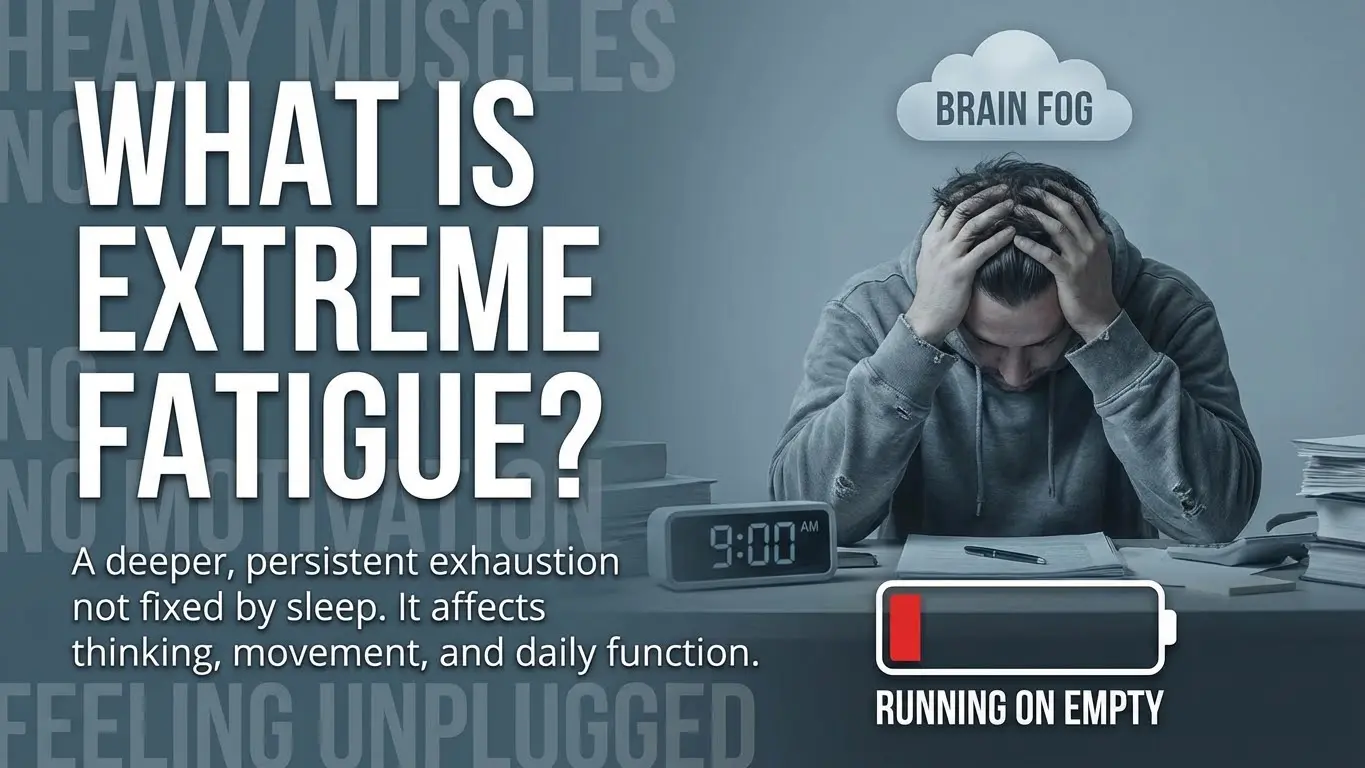
What Is Extreme Fatigue?
Extreme fatigue is not simply “being tired.” It’s a deeper, more persistent kind of exhaustion that doesn’t resolve with sleep, breaks, or caffeine. Unlike normal fatigue—which is temporary and predictable—extreme fatigue affects how you think, work, move, and function daily.
Common signs of extreme fatigue include:
- Feeling tired even after sleeping 7–9 hours
- Heavy or aching muscles
- Difficulty concentrating (“brain fog”)
- Low motivation and decreased mental clarity
- Frequent headaches or tension in the neck and shoulders
- Sensitivity to stress
- Slower recovery after exercise or activity
Many clients describe it as “moving through mud,” “feeling unplugged,” or “running on empty.” It’s a whole-body experience, not just a sensation of being sleepy.
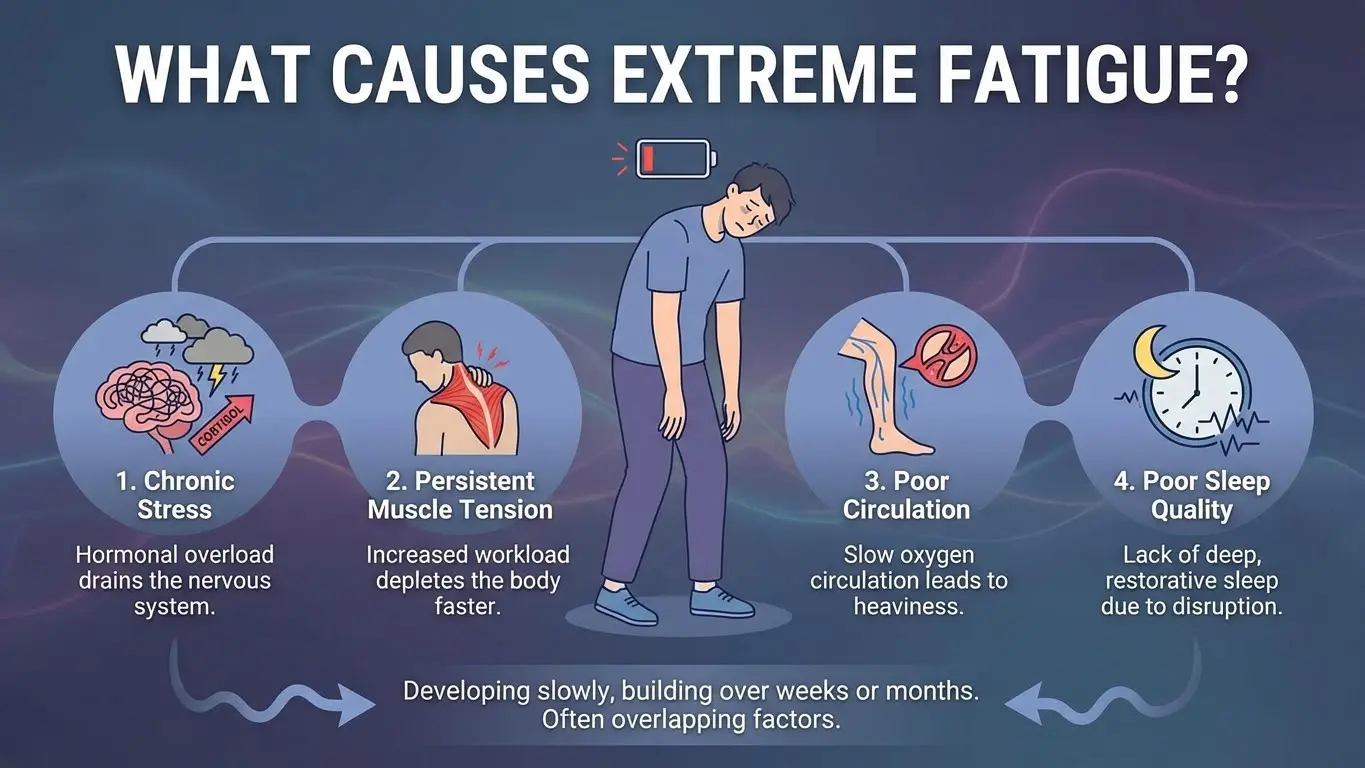
What Causes Extreme Fatigue?
Fatigue often develops slowly, building over weeks or months. Several factors contribute to it, sometimes overlapping and compounding one another.
1. Chronic Stress
Stress elevates cortisol and adrenaline—two hormones that tense muscles, disrupt sleep cycles, and drain the nervous system over time. This hormonal overload eventually pushes the body into a state of exhaustion.
2. Persistent Muscle Tension
When muscles stay tight for long periods (especially the shoulders, neck, and lower back), they require more energy to perform everyday tasks. This increased workload depletes the body faster, contributing to chronic fatigue.
3. Poor Circulation
If oxygen and nutrients don’t circulate efficiently, tissues cannot function or recover properly. Slow or restricted circulation leads to sluggishness, heaviness, and reduced energy output.
4. Poor Sleep Quality
Even individuals who sleep “enough hours” may not experience deep, restorative sleep. Stress, muscle tension, and poor nervous system regulation all disrupt sleep quality and contribute to persistent fatigue.
5. Registered Medical Conditions
Conditions like chronic fatigue syndrome, autoimmune disorders, sleep apnea, and long-term inflammation can greatly amplify feelings of exhaustion. While massage is not a cure, it can significantly reduce the muscular and nervous system tension that aggravates these issues.
Regardless of the cause, chronic fatigue often becomes a cycle: fatigue → less activity → more muscle tension → more fatigue. Medical massage therapy helps interrupt this cycle in several important ways.
How Medical Massage Therapy Helps Reduce Fatigue
Medical massage therapy is more than relaxation. It uses targeted, clinical techniques to support circulation, release muscle tension, regulate the nervous system, and promote restorative sleep—four pillars of treating chronic fatigue naturally.
Below are the specific mechanisms that make massage therapy highly effective for improving energy levels.
1. Releasing Muscle Tension and Physical Stress
Chronic muscle tension is one of the most common and overlooked contributors to extreme fatigue. Tight muscles restrict blood flow, reduce mobility, and create constant low-grade pain or discomfort that drains energy. Over time, these muscles require extra effort to perform even simple actions, exhausting the body further.
Medical massage therapy focuses on areas where fatigue shows up most often:
- Neck and shoulders
- Upper and mid-back
- Lower back and hips
- Legs and calves (for people who stand all day)
Techniques like deep tissue massage, trigger point therapy, and acupressure release areas of chronic tension, helping muscles function more efficiently. Clients often feel physically lighter and more energized immediately after their session.
2. Boosting Circulation and Oxygen Delivery
Good circulation is essential for maintaining energy. When the body doesn’t receive enough oxygen-rich blood, fatigue increases dramatically. Massage improves circulation by:
- Encouraging blood flow to fatigued areas
- Delivering oxygen and nutrients to tissues
- Removing metabolic waste such as lactic acid
- Reducing inflammation
The result is improved muscle efficiency and a noticeable increase in overall vitality. Better circulation is one of the fastest ways massage lifts fatigue.
3. Resetting the Nervous System and Lowering Stress Hormones
The nervous system has two primary modes:
- Sympathetic (fight or flight) — high stress, high alert, high tension
- Parasympathetic (rest and digest) — relaxation, digestion, recovery
Many people with chronic fatigue spend far too much time in sympathetic mode, even while sleeping. Massage therapy helps shift the body into parasympathetic mode, enabling deep relaxation and recovery.
Studies show that massage therapy:
- Lowers cortisol levels
- Reduces heart rate and muscular tension
- Triggers the release of endorphins
- Supports emotional calmness and clarity
This nervous system reset is essential for breaking patterns of chronic fatigue.
4. Improving Sleep Quality and Restorative Rest
Fatigue and poor sleep are tightly connected. Massage therapy helps break this cycle by relaxing the body and preparing it for deeper, more restorative rest.
Research, including studies published in medical journals such as BMC Complementary and Alternative Medicine, confirms that massage therapy supports deeper sleep by reducing tension, anxiety, and pain—three leading causes of disturbed sleep.
When clients begin sleeping better, energy levels often improve dramatically.
5. Supporting the Lymphatic System
The lymphatic system removes toxins, waste, and excess fluid from the body. When the lymphatic system is sluggish—often due to stress or inactivity—fatigue becomes more pronounced.
Massage helps by stimulating lymphatic flow, allowing the body to detox naturally and reduce inflammation that contributes to chronic fatigue.
6. Providing Mental Clarity and Emotional Reset
Fatigue is not just physical—it affects emotional and mental functioning as well. Clients often report clearer thinking, reduced irritability, and improved mood after massage sessions.
This mental clarity is essential for breaking the cycle of exhaustion and regaining control over daily life.
Long-Term Benefits of Regular Medical Massage for Fatigue
While even a single massage session can help, lasting relief from chronic fatigue usually comes from consistent, therapeutic care. Over time, medical massage helps:
- Reduce chronic muscle tension
- Improve posture and movement patterns
- Promote steady, healthy circulation
- Improve sleep quality
- Reduce the physical impact of stress
- Enhance mood and emotional resilience
As the body becomes more balanced and less reactive to stress, energy levels rise naturally. Routine sessions often create a compounding effect—each treatment builds on the benefits of the one before.
Who Can Benefit Most from Medical Massage for Fatigue?
While anyone experiencing low energy can benefit, medical massage is especially helpful for individuals dealing with:
- Chronic stress or burnout
- Work-related tension (desk jobs, physical labor, long hours)
- Poor sleep or insomnia
- Chronic fatigue syndrome
- Long COVID or post-viral fatigue
- Autoimmune-related fatigue
- Tension headaches or migraines
- Postural strain
Clients often report improvements after just one session, with stronger, more lasting changes occurring over time.
Restore Your Energy with Medical Massage at Messina Acupuncture
If you feel constantly drained, foggy, or weighed down by fatigue, medical massage therapy offers a natural and effective way to restore balance and energy. Our therapeutic approach focuses on releasing tension, improving circulation, and supporting your body’s ability to heal and recharge.
We combine acupressure, targeted soft-tissue work, and restorative massage techniques to help clients feel lighter, clearer, and more energized.
If you’re ready to regain energy and break free from chronic fatigue, contact us today to schedule a session. Our medical massage therapy can help you feel renewed, centered, and ready to take on your day with more strength and clarity.