Medical Massage for Pain Relief — What to Expect at Messina Acupuncture in Setauket, NY

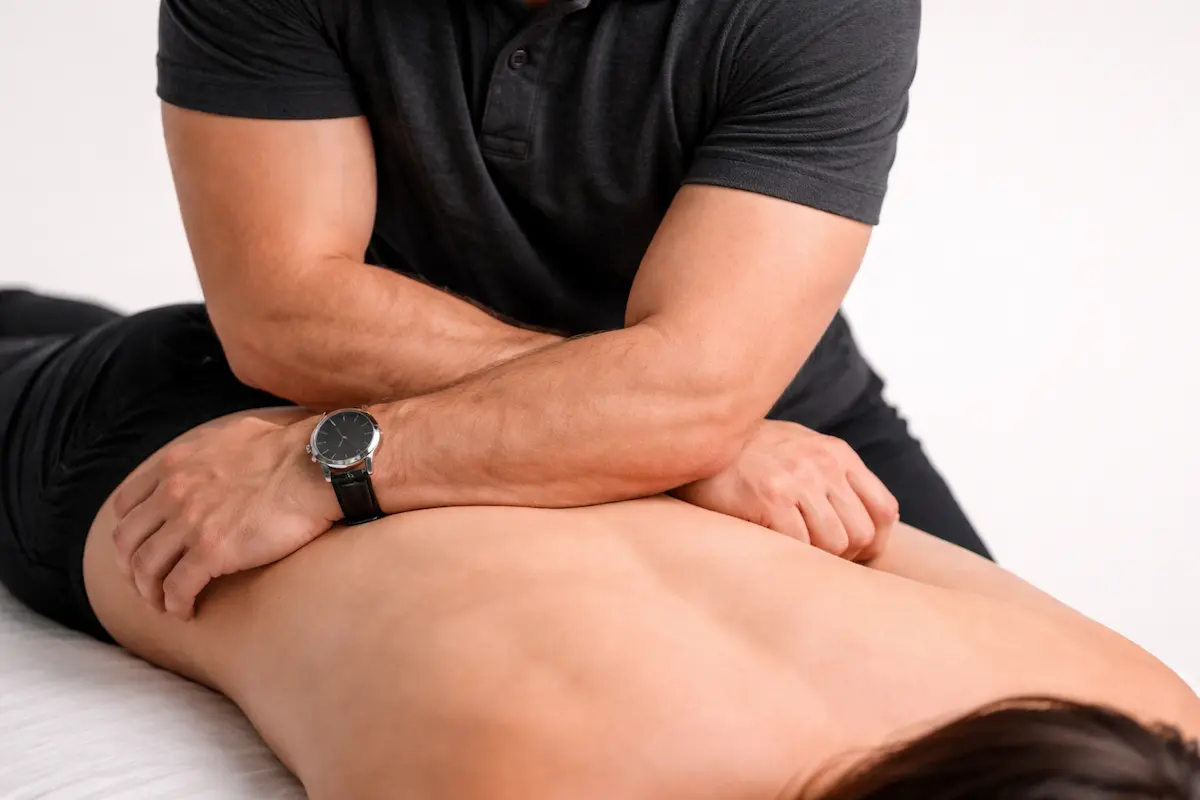
Therapist performing deep tissue massage for pain relief in East Setauket NY

Medical massage is a focused, clinical form of hands‑on care aimed at easing chronic pain and releasing tight soft tissues. This article walks through what medical massage looks like, how it’s different from a relaxation massage, which conditions tend to respond best, and what a visit at Messina Acupuncture in Setauket involves. You’ll find plain-language descriptions of common methods like myofascial release and trigger-point work, tips for preparing for your first appointment, a summary of the evidence for back pain and headaches, and practical guidance on treatment frequency, aftercare, booking, and insurance so you can decide if medical massage fits your pain‑management plan.

What Is Medical Massage and How Does It Help Chronic Pain?

Medical massage is an assessment-driven manual therapy that zeroes in on the soft tissues contributing to pain and limited movement. Therapists use specific hands‑on techniques to change tissue mechanics, boost local circulation and lymph flow, and calm painful nerve signals. These changes often lead to less pain and improved mobility.

People who commonly benefit include those with chronic low back or neck pain, myofascial pain syndromes, post‑surgical soft‑tissue restrictions, and some patterns of referred pain. Contraindications can include open wounds, active uncontrolled infections, and certain vascular problems. Knowing these limits helps set realistic goals and lets you and your therapist plan care safely.

How Does Medical Massage Differ from Regular Massage Therapy?

Medical massage differs from a relaxation massage in three practical ways: its purpose, the assessment that guides it, and the documentation that supports clinical care. A relaxation massage prioritizes comfort and stress relief. Medical massage begins with a focused intake and physical exam to identify the tissues driving pain, and then builds a treatment plan from those findings.

Techniques are chosen for a therapeutic effect — for example, fascial mobilization for connective tissue restriction or trigger‑point release for referred pain — rather than primarily for relaxation.

  • Assessment-driven care: therapists use objective tests and movement screens to set measurable goals.
  • Targeted techniques: treatment addresses specific tissue dysfunctions and impairments.
  • Clinical documentation: sessions include notes and outcome tracking that can support physician prescriptions or insurance needs.

These differences matter because they connect hands‑on treatment directly to recovery goals. A careful assessment guides which techniques are most likely to help your condition — details we’ll cover next.

Which Chronic Pain Conditions Can Medical Massage Treat Effectively?

Medical massage can help with many chronic pain problems by addressing soft‑tissue and fascial contributors. Common issues we treat include low back pain, neck pain and related headaches, sciatica with a myofascial referral component, post‑surgical soft‑tissue restrictions, and selected cases of fibromyalgia as part of a broader plan.

For example, targeted work on paraspinal muscles and fascia can reduce low back pain and improve function. Suboccipital release and trigger‑point techniques can lessen the frequency and intensity of tension‑type headaches.

We individualize care: we identify the primary pain generators, screen for any contraindications, and design a plan based on exam findings, symptom history, and your functional goals. Next, we’ll outline the specific techniques commonly used in practice.

What Techniques Are Used in Medical Massage for Pain Relief?

Medical massage uses a selection of evidence‑informed manual techniques targeted to your specific tissue problems and pain mechanisms. Core approaches include myofascial release for fascial restrictions, trigger‑point therapy for hyperirritable nodules that refer pain, neuromuscular techniques to normalize muscle tone, and deep‑tissue work for chronic adhesions or scar tissue.

Each method reaches different tissue layers and works through different physiological pathways. Some improve fascial glide and hydration; others calm overactive muscle spindles and reduce nociceptive input.

Safety is a priority: therapists tailor intensity to your tissue response and medical history, avoiding aggressive work when contraindications or acute inflammation are present. The right mix of methods depends on the assessment, your tolerance, and goals such as pain reduction, increased range of motion, or faster return to activity.

What Are the Key Medical Massage Techniques for Pain Management?

Each core technique addresses a specific clinical problem. Myofascial release uses sustained, low‑load pressure and shear to restore fascial mobility and reduce tension across connected lines, easing movement restrictions that perpetuate pain.

Trigger‑point therapy applies focused pressure and release cycles to deactivate hyperirritable spots that cause local or referred pain, allowing muscles to lengthen and reducing nociceptive input.

Neuromuscular therapy uses ischemic compression and inhibition to normalize muscle tone and rebalance motor control. Deep‑tissue work employs slower, deeper strokes to break down chronic adhesions and support healthier collagen remodeling.

How Do These Medical Massage Techniques Promote Healing and Reduce Pain?

These manual methods support healing through several complementary mechanisms. Increasing local blood flow and microvascular perfusion brings oxygen and nutrients to tissues and helps clear metabolic byproducts that sensitize pain receptors.

Neuromuscular modulation — via pressure, stretching, and proprioceptive input — reduces muscle spindle overactivity and helps normalize movement patterns. That eases protective guarding that can sustain pain.

Fascial mobilization restores glide between tissue layers and can help reorganize collagen that limits motion. This improves joint mechanics and reduces abnormal load on nearby structures.

What Should You Expect During Your First Medical Massage Session?

Your first session begins with a structured intake and targeted physical assessment to identify pain sources, movement restrictions, and relevant medical history. The therapist will ask focused questions about when symptoms started, what helps or worsens them, past treatments, and any physician instructions.

That information directs specific tests and movement screens that shape the treatment. Sessions usually include time for assessment, hands‑on care, and a short review of findings, home exercises, and follow‑up recommendations.

How to Prepare for Your Medical Massage Appointment at Messina Acupuncture

To prepare, arrive a few minutes early to finish intake forms and bring any relevant medical notes or physician prescriptions that clarify treatment goals. Wear comfortable, loose clothing that allows access to the area being treated, or be ready to use the clinic’s draping.

Tell your therapist about current pain levels, past injuries, and medications — that keeps care safe and effective. If you have active skin conditions, open wounds, or acute systemic symptoms, call the clinic before your visit so we can advise whether to proceed.

Messina Acupuncture focuses on whole‑person pain relief and wellness through acupuncture and Chinese medicine. Service of interest: Medical Massage Therapy (physician‑prescribed therapeutic approach). Our staff can also assist with insurance paperwork when appropriate and explain any documentation you’ll need at your first visit so the therapist can concentrate on assessment and goal‑directed care.

What Happens During a Typical Medical Massage Therapy Session?

A typical session follows a clear sequence: focused intake and movement screening, position‑specific assessment tests, targeted manual interventions, and a short reassessment with home‑care instructions.

Your therapist will explain each step and check pressure and comfort throughout. Interventions may combine fascial release, trigger‑point work, and neuromuscular techniques tailored to the findings.

Treatment length and intensity are adjusted based on your response. Therapists often teach simple corrective exercises or mobility drills to reinforce in‑clinic gains.

Documenting findings and the treatment plan supports continuity of care and can assist with physician‑prescribed protocols or insurance submissions.

Many patients notice reduced stiffness and improved range of motion right away, with possible mild, short‑lived soreness. Clear aftercare guidance helps manage these responses and maintain progress between visits.

Why Choose Messina Acupuncture for Medical Massage in Setauket, NY?

Our integrated clinic pairs hands‑on medical massage with acupuncture and Chinese medicine to address complex pain patterns and restore function.

Messina Acupuncture is a personalized, family‑owned practice focused on orthopedic concerns and integrative care. Treatment plans are tailored to your history, exam findings, and recovery goals.

What Expertise and Personalized Care Does Daniel Messina Provide?

Daniel Messina leads a patient-centered practice that emphasizes individualized assessment and integrative treatment planning grounded in Chinese medicine and manual therapy.

The approach is hands‑on and compassionate, with a strong focus on orthopedic issues and complementary modalities. Plans are built from objective findings, your goals, and realistic timelines, then adjusted as you respond to care.

This process supports measurable outcomes and builds a therapeutic relationship where you feel heard and guided through recovery.

How Does Insurance and Booking Work for Medical Massage Services?

Patients often ask how physician prescriptions and insurance interact with medical massage. The clinic supports documentation and can explain common submission steps, although coverage cannot be guaranteed.

If a physician prescribes therapeutic massage, bring that paperwork to your appointment to streamline billing and clinical justification. Booking is handled directly through the clinic.

When you ask about coverage, we’ll explain what documentation we can provide and whether progress notes or reassessments may be needed.

Messina Acupuncture offers practical assistance with insurance legwork to help you understand possible reimbursement pathways and the paperwork typically required.

Bring physician prescriptions, referral forms, and a current medication list to your first visit to make any administrative steps smoother.

What Are the Proven Benefits of Medical Massage Therapy for Pain Relief?

Medical massage produces measurable benefits for common musculoskeletal conditions by improving tissue mechanics, lowering pain, and restoring function.

Recent clinical research and practice‑based evidence show meaningful short‑term reductions in pain for low back pain and tension‑type headaches. Studies also report improved range of motion after joint or post‑surgical restrictions and reduced disability when manual therapy is part of a multimodal plan.

These benefits arise from better microcirculation, reduced myofascial tightness, neuromuscular re‑education, and decreased peripheral input that can lessen central sensitization.

The comparisons below summarize condition‑specific outcomes and typical effects seen in the literature and clinical practice.

Below is a comparison table mapping common conditions to mechanisms and expected outcomes based on available evidence and clinical experience.

Condition Mechanism Targeted Typical Outcome
Lower back pain Paraspinal muscle release, fascial mobilization Lower pain scores and improved functional tests
Tension-type headache Suboccipital trigger point release, cervical fascial work Fewer and less intense headaches
Sciatica (myofascial component) Gluteal trigger point therapy, neural mobility Reduced referred pain and better walking tolerance

This table shows how targeted manual interventions translate into condition‑specific improvements. The next table connects techniques with their primary physiological effects.

Technique Target Tissue Primary Clinical Effect
Myofascial release Fascial planes & connective tissue Restored glide and reduced mechanical restriction
Trigger point therapy Local muscle nodules Less referred pain and increased muscle length
Neuromuscular technique Muscle-tendon units Normalized tone and improved motor control

How Does Medical Massage Improve Circulation and Reduce Muscle Tension?

Medical massage increases local blood flow through rhythmic pressure and mobilizations that compress and release tissues, improving perfusion and lymphatic return.

Improved microcirculation brings oxygen and nutrients to hypoxic tissue and helps remove inflammatory byproducts that sensitize pain receptors, which can lower pain signaling.

Mechanical stretching and pressure on fascia and muscle also stimulate mechanoreceptors that influence central pain processing, producing benefits beyond the treated area.

What Recent Studies Support Medical Massage for Chronic Pain Management?

Recent studies from 2020–2023 support medical massage as a useful component of multimodal pain care, particularly for low back pain and tension‑type headaches.

Randomized trials and systematic reviews report moderate short‑term benefits for pain and function when manual therapy is combined with exercise and education.

Common findings show manual therapy often brings quicker symptom relief in the acute‑to‑subacute phase and supports functional recovery when paired with active rehabilitation. Long‑term maintenance, however, typically depends on ongoing exercise and activity modification.

Limitations in the literature include variation in techniques and outcome measures across studies — which is why individualized assessment and integrated care plans matter.

Think of medical massage as one effective tool within a broader rehabilitation strategy that may include movement retraining and complementary therapies for longer‑term benefit.

Frequently Asked Questions About Medical Massage

What Should I Wear to My Medical Massage Appointment?

Wear comfortable, loose clothing that allows access to the area being treated. That makes it easier for your therapist and keeps you comfortable.

If needed, we provide draping for privacy. If you have specific concerns about clothing or accessibility, mention them when you book or tell your therapist when you arrive.

Can Medical Massage Be Combined with Other Treatments?

Yes. Medical massage complements acupuncture, physical therapy, and chiropractic care. Combining modalities often improves outcomes by addressing different aspects of pain and dysfunction.

At Messina Acupuncture we coordinate care so therapies work together and support your recovery plan.

How Long Does a Typical Medical Massage Session Last?

Most sessions run 60 to 90 minutes, including assessment, hands‑on treatment, and a brief review of findings and aftercare.

Exact length varies with your needs and goals — ask the clinic when you schedule if you need a specific appointment length.

Are There Any Side Effects After a Medical Massage?

After treatment some people feel mild soreness, fatigue, or temporary tenderness — similar to post‑exercise sensations. These effects usually resolve within 24–48 hours.

Staying hydrated and doing gentle movement can help. If you experience severe or unusual symptoms, contact your therapist for advice.

How Do I Know If Medical Massage Is Right for Me?

Whether medical massage is right depends on your condition, medical history, and goals.

A consultation with a qualified therapist at Messina Acupuncture will clarify this. We review symptoms, your health background, and recommend a personalized plan that may include medical massage as part of a broader approach.

What Should I Do If I Have Concerns During My Medical Massage Session?

If you feel uncomfortable or have questions during your session, speak up. Therapists adjust pressure and techniques based on your feedback to keep treatment safe and effective.

Your comfort is a priority — don’t hesitate to ask for changes or explanations at any time.

Is Medical Massage Painful or Comfortable?

Sessions can range from comfortable to mildly uncomfortable depending on tissue sensitivity and treatment goals. Some therapeutic discomfort is normal during targeted techniques, but therapists check in and adjust pressure to remain within a tolerable, productive range.

After‑effects may include mild soreness or fatigue for 24–48 hours, which typically improves with gentle movement, hydration, and rest.

If you feel sharp or intolerable pain, tell your therapist immediately so they can stop or modify the technique. Distinguishing productive discomfort from harmful pain keeps treatment safe and effective.

How Often Should You Receive Medical Massage for Optimal Results?

Frequency depends on how severe and long‑standing your condition is and how you respond to treatment.

A common evidence‑based approach is an initial intensive phase followed by tapering maintenance. Many patients start with weekly visits for 4–8 weeks to produce measurable change, then reassess and reduce frequency to every 2–4 weeks for maintenance as symptoms stabilize.

Factors that influence cadence include baseline function, other health issues, job demands, and concurrent therapies like exercise or acupuncture.

We typically reassess after the first month: if objective improvements and functional gains are clear, we reduce visits. If progress is limited, we change techniques, add complementary therapies, or recommend further medical evaluation.

Clear goals and ongoing communication make the best use of your visits.

Messina Acupuncture specializes in whole‑person pain relief and wellness through acupuncture and Chinese medicine. Service of interest: Medical Massage Therapy (physician‑prescribed therapeutic approach). We offer service coordination and insurance assistance to help you begin and maintain an appropriate schedule of care.