

Acupuncture for Holistic Health is a time-tested, drug-free approach that supports whole-person wellness by stimulating targeted points to help regulate body systems and ease symptoms. Our holistic acupuncture blends Traditional Chinese Medicine principles with contemporary neurophysiology to relieve pain, restore function, and reduce stress for people in East Setauket and across Long Island. Many coping with chronic pain, headaches, or stress choose integrative, non-pharmacologic care. This guide explains Acupuncture for Holistic Health, how it eases pain, condition-specific benefits, and how to find local care. You’ll also find practical comparisons—acupressure, dry needling, and medical massage—to help decide whether acupuncture fits your recovery plan in Setauket.
Acupuncture for Holistic Health: What It Is and How It Supports Overall Wellness
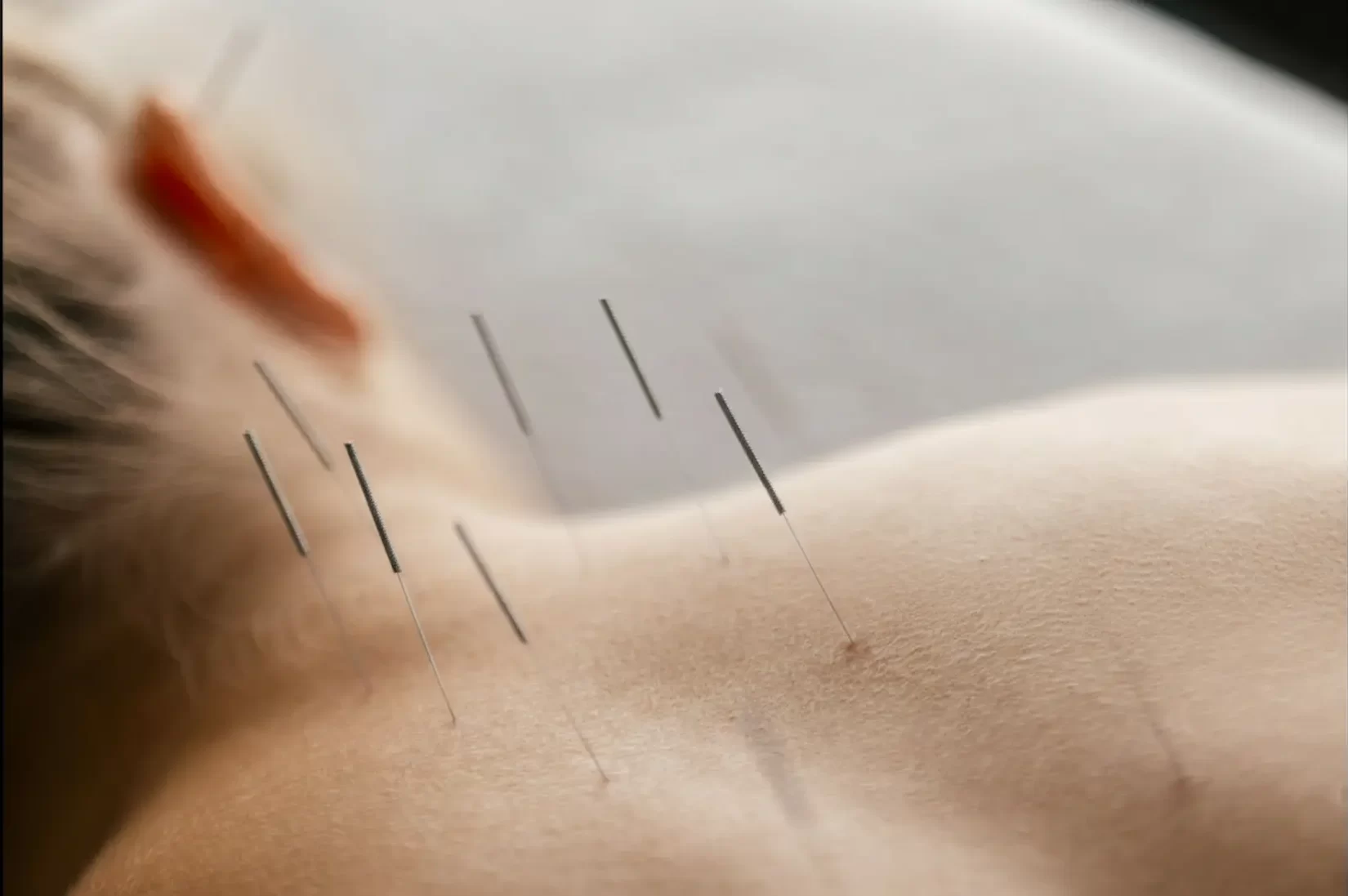
Acupuncture for Holistic Health treats symptoms while addressing the whole person — physical, emotional, and preventive needs — through individualized plans. It affects nervous system signaling, tissue health, and broader regulatory systems to restore balance, often improving pain levels, sleep quality, and stress resilience. Practitioners combine Traditional Chinese Medicine pattern assessment with clinical findings to identify underlying dysfunction rather than simply masking symptoms. That whole-person perspective is what sets it apart from narrower approaches.
In clinical practice, acupuncture commonly pairs TCM frameworks with biomedical observations to set realistic goals. This supports short-term symptom relief and longer-term functional gains through treatment sessions and lifestyle guidance. Later sections describe how TCM ideas — including Qi — relate to modern physiological explanations.
How Does Acupuncture Integrate with Traditional Chinese Medicine Concepts?
Within TCM, acupuncturists use meridians and pattern diagnosis to identify energetic imbalances linked to symptoms, then select points to restore flow. Pattern diagnosis groups signs into syndromes — for example, Qi stagnation or blood stasis — which guide point selection and treatment choices. Two patients with the same back pain may receive different protocols because their underlying patterns differ; this individualized approach shapes outcomes.
Pattern diagnosis emphasizes prevention and functional restoration and complements biomedical exams during ongoing care. Explaining pattern diagnosis helps patients understand why treatments may shift from short-term symptom control to broader restorative strategies and when to add adjunct therapies like medical massage or dry needling to support tissue recovery.
What Role Does Qi and Energy Flow Play in Acupuncture for Holistic Health?
Qi, often described as “vital energy,” is a central TCM concept that represents the dynamic processes keeping the body adaptable and functioning. Practically, Qi can be likened to coordinated neural, circulatory, and autonomic activity that supports repair, immune response, and stress resilience. Acupuncture aims to balance Qi by improving signaling along meridians, which can lead to better circulation, reduced muscle tension, and increased parasympathetic activity.
Framing Qi alongside biomedical parallels helps connect traditional language with nervous system regulation. That bridge makes acupuncture’s rationale clearer and more accessible, especially for people seeking chronic pain relief.
How Does Acupuncture Provide Effective Pain Relief for Chronic Conditions?
Acupuncture for Holistic Health relieves chronic pain through complementary pathways: modulating nervous system activity, lowering inflammation, and activating the body’s own pain-control systems. Recent research (through 2023) demonstrates acupuncture’s benefits for many persistent pain conditions by influencing neurotransmitters, reducing central sensitization, and improving local microcirculation. Treatment plans are tailored to symptoms and individual goals and often produce gradual gains in range of motion and daily function. Understanding these mechanisms helps set expectations for treatment frequency and duration.
Below we outline the key physiologic pathways and list chronic conditions that commonly improve with acupuncture.
What Are the Mechanisms Behind Acupuncture’s Impact on Chronic Pain?
Acupuncture engages neurophysiological and biochemical processes that lower pain perception and support tissue recovery. Needling can stimulate release of endogenous opioids (endorphins, enkephalins) that reduce pain signaling. It also shifts autonomic balance toward parasympathetic activity, easing muscle tension and aiding recovery. Locally, needling improves microcirculation and can lower pro-inflammatory cytokines, enhancing oxygen delivery and helping resolve chronic inflammation. Clinical trials report changes in neurotransmitter patterns and imaging results consistent with these effects.
Connecting these mechanisms to treatment planning explains why repeated sessions often yield cumulative benefits. This shared understanding lets clinicians combine acupuncture with complementary care — such as medical massage or rehabilitation — to speed functional recovery.
| Mechanism | Physiological Effect | Clinical Benefit |
|---|---|---|
| Endogenous opioid release | Reduced nociceptive signaling | Lower pain intensity and improved tolerance |
| Neuromodulation (ANS shift) | Increased parasympathetic tone | Reduced muscle tension and better sleep |
| Local anti-inflammatory effects | Lower cytokine activity | Less swelling and faster tissue repair |
These mechanisms work together to produce pain relief and improved function. Clinicians use this evidence to design individualized treatment protocols.
Which Chronic Pain Conditions Benefit Most from Acupuncture Treatment?
Acupuncture helps many chronic musculoskeletal and headache conditions, with particularly strong support for low back pain, neck pain, knee osteoarthritis, and some chronic headache disorders. For mechanical low back pain, acupuncture often produces meaningful reductions in pain and improvements in function as part of a rehabilitation plan. Neck and shoulder complaints commonly respond well. Patients with knee osteoarthritis frequently experience reduced pain and better mobility. Many people with migraine or chronic tension-type headaches report fewer and less severe attacks with consistent care. Recent reviews recommend acupuncture as a non-drug option for several persistent pain syndromes.
Acupuncture for Chronic Musculoskeletal Pain: Addressing Treatment Gaps
Musculoskeletal (MSK) pain involves muscles, joints, tendons, and ligaments lasting more than three months (Cimmino et al., 2011). Global MSK prevalence is about 25% (Vos et al., 2012). Long‑term drug strategies can carry risks such as gastrointestinal effects, cardiovascular concerns, tolerance, or overdose (Provenzano & Viscusi, 2014). MSK pain reduces function and imposes a significant economic burden.
Patients often consider acupuncture early when conventional care is insufficient or use it alongside physical therapy. Discussing goals with your clinician helps set an appropriate treatment cadence.
What Holistic Services Does Messina Acupuncture Offer in Setauket, NY?
Messina Acupuncture PC provides integrated, non-pharmacologic services centered on musculoskeletal pain, recovery, and overall wellness. Services include acupuncture for whole-person care, acupressure techniques you can use at home, dry needling for myofascial trigger points, and medical massage to restore soft-tissue mobility. Each modality addresses different drivers of pain and dysfunction; combined into a tailored plan, they focus on reducing pain, improving movement, and restoring everyday function. The table below compares these services to help you choose.
| Service | Primary Indication | Typical Benefit/Outcome |
|---|---|---|
| Acupuncture | Chronic pain, stress, headaches | Pain relief, improved sleep, greater balance |
| Acupressure | Acute tension, self‑management | Quick tension relief and symptom control |
| Dry Needling | Myofascial trigger points, tight bands | Reduced focal pain, increased range of motion |
| Medical Massage | Soft tissue restrictions | Improved mobility, less muscle guarding |
Many patients begin with acupuncture and add adjunct therapies as needed to reach functional goals.
Messina Acupuncture PC schedules appointments and verifies insurance benefits. Contact the clinic to confirm availability and coverage details.
How Do Acupressure, Dry Needling, and Medical Massage Complement Acupuncture?
Acupressure, dry needling, and medical massage each target specific tissue and neurological issues that enhance acupuncture’s systemic effects. Acupressure teaches simple self-care pressure techniques to use between visits. Dry needling focuses on releasing myofascial trigger points and taut bands. Medical massage restores fascial glide and joint range of motion, supporting active rehabilitation. Protocols commonly use needling or acupuncture to modulate pain, then follow with massage to reinforce mobility — an integrated approach that often speeds recovery.
What Are the Unique Benefits of Each Service for Pain and Wellness?
Each service delivers distinct advantages depending on your goals. Acupuncture promotes systemic regulation for sleep, mood, and chronic pain. Dry needling provides rapid mechanical release of trigger points for focused relief. Medical massage improves soft-tissue mechanics and supports rehabilitative exercises. Acupressure equips you with practical tools for daily symptom management. We monitor progress with pain scores, range-of-motion measures, and activity goals to demonstrate improvement.
Why Is Messina Acupuncture the Preferred Choice for Alternative Pain Management in East Setauket?
Messina Acupuncture PC emphasizes orthopedic pain management expertise, individualized treatment plans, and local accessibility for integrative pain care, including Acupuncture for Holistic Health in East Setauket. Under Daniel Messina’s leadership, the practice focuses on musculoskeletal conditions — improving range of motion, reducing chronic pain, and restoring function — using evidence-informed protocols. The clinic accepts major insurers, helping reduce financial barriers and simplify access. These features give patients confidence in clinician-led, coordinated care, including insurance verification.
How Does Daniel Messina’s Orthopedic Pain Management Expertise Enhance Care?
An orthopedic‑focused practitioner brings assessment skills and treatment reasoning rooted in musculoskeletal function and biomechanics. That expertise refines point selection, guides dry needling for trigger‑point release, and informs targeted medical massage for soft‑tissue dysfunction — each element tied to measurable functional goals. Integrating acupuncture with orthopedic evaluation prioritizes interventions that reduce pain while promoting active rehabilitation. Patients benefit from clear mobility goals, objective progress markers, and treatment plans designed to speed recovery.
What Insurance Plans Are Accepted and How Does This Benefit Patients?
Messina Acupuncture PC accepts major insurance plans to help lower out‑of‑pocket costs and simplify access. Accepted insurers include NYSHIP, UnitedHealthcare (UHC), Oxford, Blue Cross Blue Shield (BCBS), and Cigna. Coverage for acupuncture varies by plan, so verifying benefits before your visit clarifies copays and session limits. When insurance applies, consistent treatment becomes more affordable — important for achieving cumulative, long‑term improvements in chronic conditions.
How Can Patients Book an Acupuncture Appointment and What Should They Expect?
Contact the clinic to schedule an appointment, complete intake forms, attend an initial evaluation and treatment, and follow a personalized plan. Below we outline the typical steps so you know what to expect.
Your first visit includes a thorough history and a focused musculoskeletal exam to identify patterns and set goals, followed by a tailored treatment (acupuncture, dry needling, or medical massage). Wear comfortable clothing and bring a list of medications and your main goals to make the most of the appointment.
- Contact the Clinic: Call or use online scheduling to book your visit.
- Provide Insurance Details: Share your insurer and plan so we can check benefits.
- Complete Intake Paperwork: Fill out health history and consent forms before treatment.
- Prepare for the Visit: Wear loose clothing, bring a medication list, and be ready to discuss symptoms and goals.
What Is the Process for Scheduling and Preparing for Your First Visit?
To schedule, call Messina Acupuncture PC at 631-403-0504 for an initial evaluation; staff will assist with appointments and insurance. Before your visit, prepare a concise list of symptoms, prior treatments, medical history, and current medications so the clinician can perform a focused assessment. At the clinic expect an intake review, a physical/orthopedic evaluation centered on movement and pain, then a tailored treatment session. Initial visits combine assessment and a gentle therapeutic session; please allow adequate time. Afterward, the clinician will outline a follow‑up plan.
What Patient Testimonials Highlight the Effectiveness of Acupuncture for Holistic Health?
Patients commonly report meaningful pain reduction, improved mobility, and better daily function after Acupuncture for Holistic Health combined with adjunct therapies — consistent with the clinic’s orthopedic focus. Local patients often note that adding dry needling or medical massage accelerated their recovery compared with single‑modality care. Individual outcomes vary, but patterns support acupuncture as a practical, drug‑sparing option for persistent musculoskeletal issues. We recommend reviewing outcome summaries or discussing expected results during your assessment.
What Are the Key Benefits of Choosing Acupuncture for Headaches and Migraines?
Acupuncture can reduce the frequency, intensity, and duration of headaches and migraines by influencing vascular tone, balancing neurotransmitters, and lowering central sensitization. Many patients report fewer headache days and less reliance on abortive medications, which improves daily functioning. Headache protocols are individualized — identifying triggers, autonomic contributors, and musculoskeletal factors — and combine local cranial points with distal systemic points for broader regulation. Reviewing evidence and expected timelines helps determine whether acupuncture should be a primary or adjunctive headache strategy.
| Condition | Symptom Targeted | Expected Result / Timeframe |
|---|---|---|
| Episodic migraine | Frequency and intensity | Fewer migraine days within 6–12 weeks |
| Chronic tension-type headache | Muscle tension and frequency | Reduced daily tension within 4–8 weeks |
| Medication-overuse headache | Over‑reliance on abortives | Decreased medication use over 8–12 weeks |
How Does Acupuncture Alleviate Symptoms of Headaches and Migraines?
Acupuncture affects headache pathways by modulating trigeminovascular activity, rebalancing neurotransmitters (including serotonin and CGRP‑related pathways), and reducing peripheral muscle tension. Needling near cranial and cervical points eases pericranial muscle hypertonicity, while distal points support systemic autonomic and vascular regulation. Clinically, this often translates to fewer headache days, milder attacks, and better response to lifestyle strategies such as improved sleep and stress management. Session frequency is tailored to each person — many notice measurable change after several sessions within 4–12 weeks.
What Evidence Supports Acupuncture as a Holistic Treatment for These Conditions?
Systematic reviews and meta‑analyses through 2023 show acupuncture is associated with clinically meaningful reductions in migraine frequency and tension‑type headache intensity compared with sham or usual care. Several clinical guidelines list it as a non‑pharmacologic option. Trials consistently report fewer headache days and reduced analgesic use. Overall, the evidence supports acupuncture as a useful component of a holistic headache plan — especially for people seeking drug‑sparing strategies or who cannot tolerate long‑term medications. Discussing risks, benefits, and pairing acupuncture with preventive lifestyle steps optimizes outcomes.
Frequently Asked Questions:
1. What should I expect during my first acupuncture appointment?
Your first visit includes a comprehensive health history and a focused physical evaluation. We review your symptoms, goals, and past treatments. After assessment, we begin a tailored treatment plan that may include acupuncture, dry needling, or medical massage. Wear comfortable clothing and bring a list of medications.
2. How often should I schedule acupuncture sessions for chronic pain relief?
Frequency depends on your condition and response. We typically start with weekly sessions for a few weeks, then move to bi‑weekly or monthly visits as you improve. Regular follow‑ups allow us to refine the plan for the best outcomes.
3. Can acupuncture be used alongside other treatments?
Yes. Acupuncture complements physical therapy, medications, and lifestyle interventions. Many patients achieve better results when acupuncture is part of a coordinated care plan. Always inform other providers about your treatments so care stays aligned and safe.
4. Are there any side effects associated with acupuncture?
When performed by a qualified clinician, acupuncture is generally safe. Minor side effects can include brief soreness, temporary fatigue, or mild bruising. Serious complications are rare. Discuss any concerns with your practitioner before treatment.
5. How does Acupuncture for Holistic Health help with stress management?
Acupuncture for Holistic Health promotes relaxation by encouraging endorphin release and enhancing parasympathetic activity. This reduces muscle tension, improves sleep, and lowers anxiety. Regular sessions build resilience and work well alongside other stress‑management strategies.
6. What is the role of lifestyle changes in conjunction with acupuncture?
Lifestyle adjustments amplify acupuncture’s effects. We often recommend improved sleep habits, appropriate exercise, and simple dietary or stress‑management changes to support recovery. A holistic plan that includes these elements enhances and sustains results.
7. How can I find a qualified acupuncturist in my area?
Start with reputable sources such as the NCCAOM or local professional associations. Ask for referrals from trusted healthcare providers. When choosing, verify credentials, experience, and specialization to match your needs.