
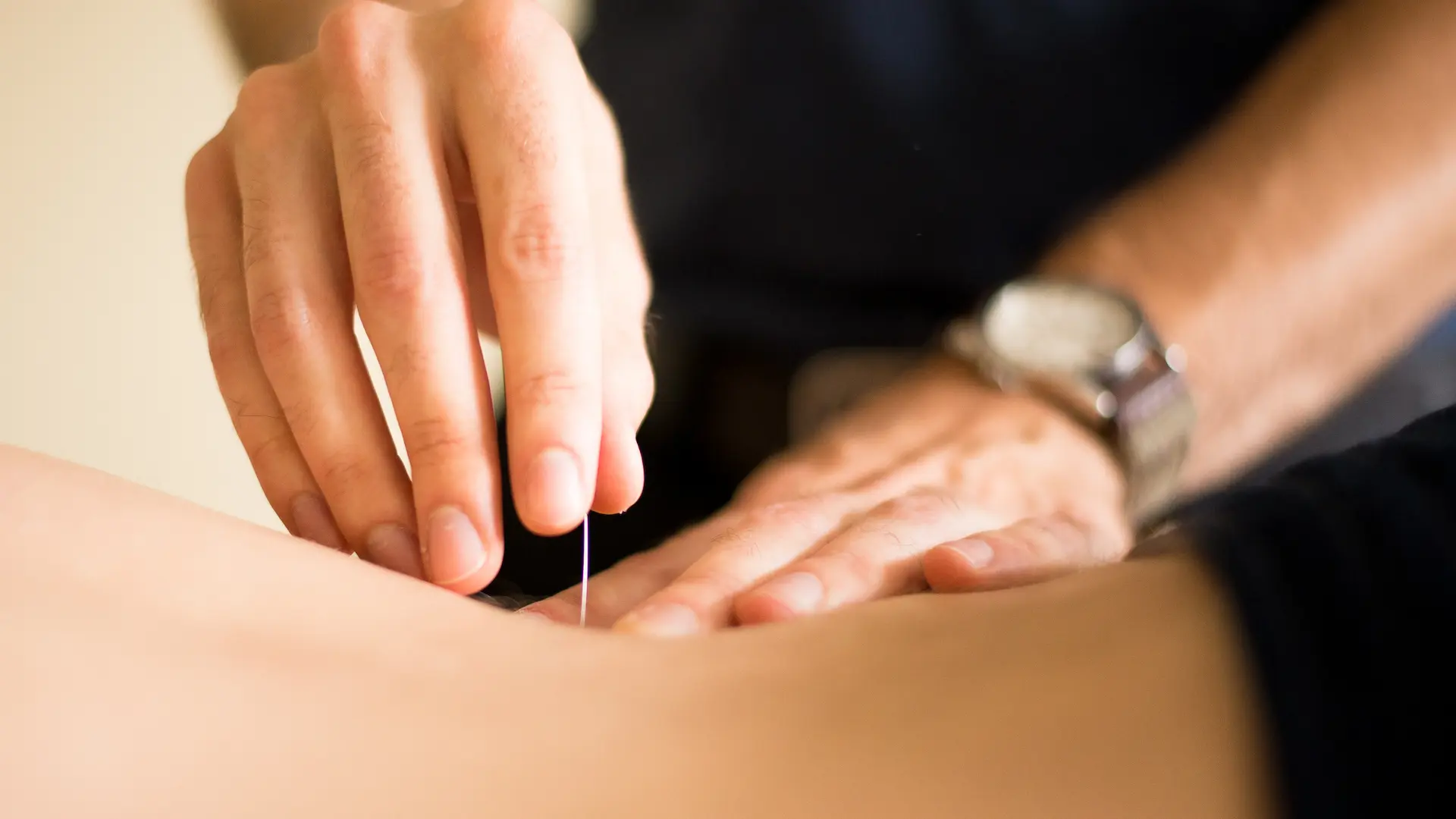
Before Your Acupuncture Appointment
Getting ready for acupuncture does not require fasting, detoxing, changing your medication schedule, preserving your tongue coating, or following a complicated pre-treatment routine. In fact, Mayo Clinic notes that no special preparation is generally required before acupuncture. A few practical choices can simply make the appointment safer and more comfortable.
What Should You Not Do Before Acupuncture?
Do not intentionally fast for acupuncture, stop prescribed medication on your own, arrive intoxicated, hide important medical information, or assume you need to follow unusual rituals before treatment.
Comfortable clothing and your normal routine are usually enough. If caffeine makes you jittery, a heavy meal makes lying down uncomfortable, or you tend to faint around needles, those are practical things to account for before your visit.
Most importantly, tell your practitioner about medications, pregnancy, implanted medical devices, recent surgery, bleeding concerns, and other relevant medical conditions.
8 Things Not to Do Before Acupuncture
Do Not Fast Just Because You Are Having Acupuncture
Acupuncture does not normally require fasting. If you have not been given separate medical instructions to fast for another reason, there is no acupuncture-specific requirement to arrive with an empty stomach.
If you tend to become light-headed when you have not eaten, following your normal meal schedule or having a light meal before the appointment may make you more comfortable.
You also do not need a specific snack, protein source, or meal exactly 60 or 90 minutes beforehand.
Do Not Arrive Uncomfortably Full
There is no evidence that a heavy meal pulls blood away from acupuncture channels or prevents the treatment from working.
The practical issue is simpler: lying face down or remaining still after a very large meal may be uncomfortable.
Eat normally and use the same judgment you would before any appointment where you may spend time lying on a treatment table.
Do Not Stop Prescription Medication
Continue medication according to the instructions from the healthcare professional who prescribed it.
Do not skip blood pressure medication, anticoagulants, pain medication, antidepressants, insulin, or another prescribed medication because you have an acupuncture appointment.
Instead, tell your acupuncturist what you take. Certain medications can affect bruising, bleeding risk, sensation, blood pressure, or other parts of treatment planning.
Do Not Arrive Under the Influence of Alcohol
Alcohol does not need to be described as something that blocks Qi or automatically causes excessive needle-site bleeding.
The more practical concern is that intoxication can affect balance, judgment, communication, sensation, and your ability to accurately report how you feel during treatment.
If you have been drinking enough to feel impaired, contact the office rather than simply showing up for treatment.
Do Not Assume Coffee Will “Cancel Out” Acupuncture
Caffeine does not make your nervous system fight acupuncture, and drinking coffee does not automatically make a treatment ineffective.
However, caffeine affects people differently. If a large coffee or energy drink makes you shaky, anxious, raises your heart rate, or makes it difficult to lie still, reducing it immediately before your appointment may improve comfort.
There is no universal requirement to eliminate caffeine for a certain number of hours before acupuncture.
Do Not Wear Clothing That Makes the Needed Area Hard to Reach
Depending on the condition, the practitioner may need access to the arms, legs, shoulders, back, hips, or another region.
Loose clothing is usually easiest. Shorts, sweatpants, athletic clothing, or sleeves that roll comfortably can make treatment simpler.
Tight clothing is not dangerous because it “blocks circulation.” It is primarily an access and comfort issue.
Do Not Hide Medical Information Because It Seems Unrelated
Pregnancy, recent surgery, a pacemaker or other implanted electronic device, anticoagulant medication, a bleeding disorder, infection, previous fainting with needles, and other medical information can influence treatment decisions.
Answer the health-history questions accurately even when you are coming in for something that seems unrelated, such as back or shoulder pain.
Do Not Stress About Preparing “Perfectly”
You do not need to meditate before entering the office, lower your cortisol first, turn your phone off for a prescribed period, or arrive in a special physiological state.
If traffic or work made you rushed, tell the practitioner and take a moment to settle in. Being stressed does not mean the acupuncture suddenly cannot work.
Do You Need to Avoid Brushing or Scraping Your Tongue?
Some traditional Chinese medicine practitioners examine the tongue as one part of a broader traditional assessment. If your practitioner uses that approach, tongue appearance may contribute to traditional pattern selection.
But patients do not need to treat tongue coating as irreplaceable diagnostic evidence. Ordinary oral hygiene should not be avoided because you are having acupuncture.
A tongue examination is also not a substitute for medical diagnosis, laboratory testing, imaging, or other evaluation when those are appropriate.
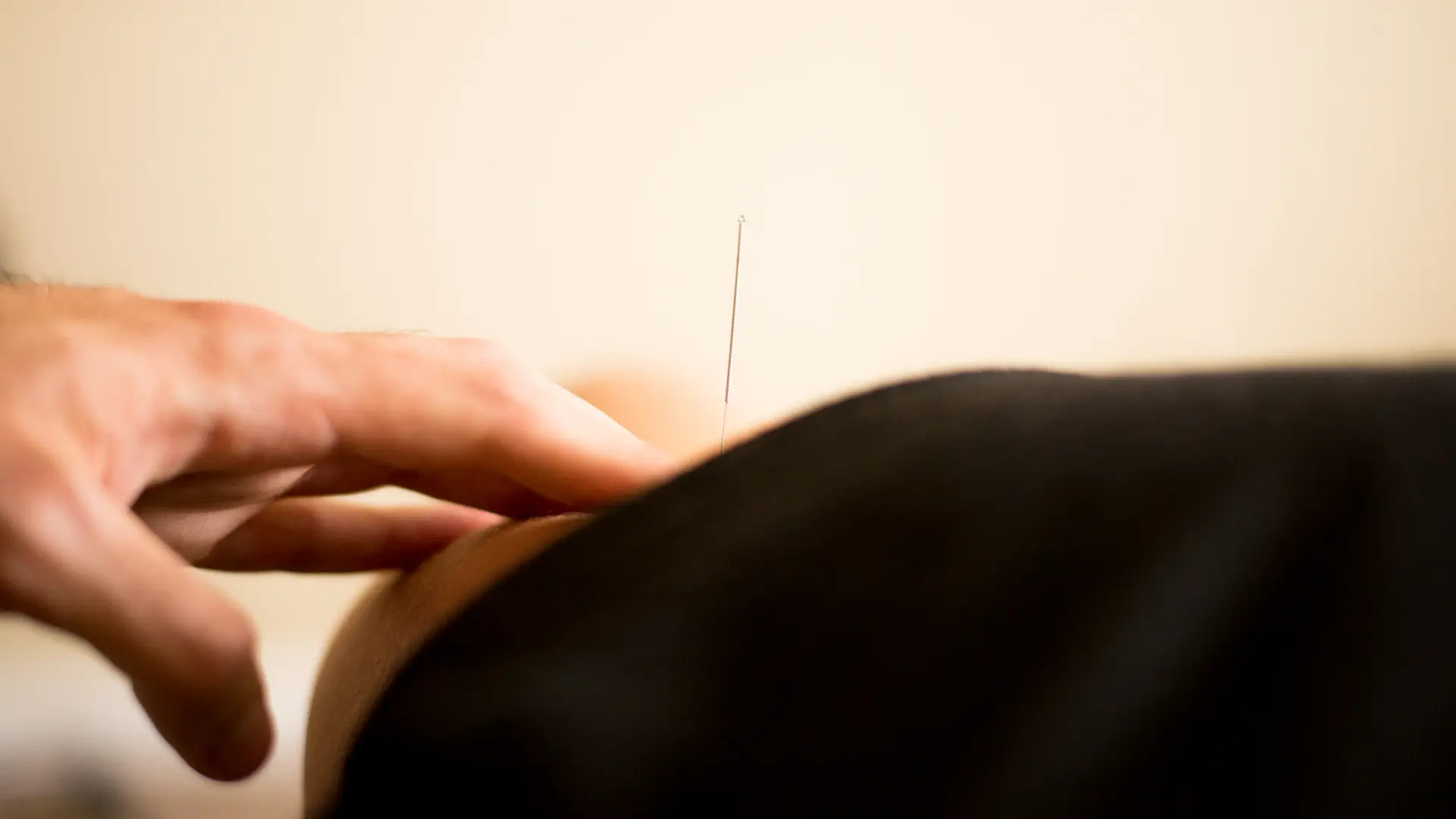
What You Should Do Before Acupuncture
Preparation can be much simpler than the lists circulating online.
Eat Normally
Unless another medical procedure requires fasting, follow your normal eating routine and avoid arriving either extremely hungry or uncomfortably full.
Drink Normally
Normal hydration is reasonable. There is no need to force large amounts of water to make your muscle tissue “accept” acupuncture needles.
Wear Comfortable Clothing
Choose clothing that allows reasonable access to the area being evaluated and treated.
Bring Your Medication List
Include prescription medications, blood thinners, supplements, and relevant recent medication changes.
Bring Relevant Medical Information
If you have imaging reports, a relevant diagnosis, recent surgery information, or another document related to your complaint, it may be useful during your evaluation.
Tell Us If Needles Make You Faint
Needle anxiety and a history of fainting during injections or blood draws are useful information. Positioning and treatment can be adjusted accordingly.
Should You Avoid Exercise Before Acupuncture?
You do not need to avoid ordinary physical activity because it will somehow interfere with acupuncture.
There is a practical distinction between normal activity and walking into the clinic immediately after an exhausting workout, race, or intense training session. Hard exercise can temporarily change pain, fatigue, heart rate, muscle soreness, and range of motion, which may make it harder to understand your normal baseline during an orthopedic assessment.
If the goal of your visit is to evaluate a movement or sports-related problem, tell your practitioner what you did before the appointment.
Your Nervous System Does Not Need to Be “Calm” for Acupuncture to Work
Acupuncture research has explored nervous-system, pain-processing, connective-tissue, and other physiological effects. The precise mechanisms are not fully understood.
We therefore should not tell patients that rushing, caffeine, or normal stress puts the sympathetic nervous system into direct competition with the treatment.
Arriving with enough time to answer questions and settle comfortably is simply a better patient experience.
Tell Your Practitioner About These Before Treatment
Your Medical History Matters More Than Any Preparation Ritual
Tell your practitioner if you are pregnant, have a bleeding disorder, take anticoagulant or antiplatelet medication, have recently had surgery, have an active infection, have a history of fainting with needles, or have another condition that may influence treatment.
Also disclose a pacemaker, implanted defibrillator, neurostimulator, or another implanted electronic device. This is particularly important before electroacupuncture, which applies electrical stimulation through selected needles.
Mayo Clinic specifically advises patients to tell an acupuncture practitioner if they have a pacemaker or are pregnant. New York State also advises patients to answer health-related questions completely and accurately.
Do You Need to Stop Blood Thinners Before Acupuncture?
Do not stop anticoagulant or antiplatelet medication just because you have an acupuncture appointment.
Those medications may affect bruising or bleeding, so your practitioner should know what you are taking. The decision to stop, change, or temporarily hold a prescribed blood thinner belongs with the healthcare professional managing that medication.
The same principle applies to other prescription drugs: acupuncture is not a reason to independently change your medication schedule.
Do You Need to Prepare Differently for Electroacupuncture?
The basic preparation is similar, but electroacupuncture uses a gentle electrical current connected to selected acupuncture needles.
That makes disclosure of implanted electronic devices particularly important. Mayo Clinic notes that electrical stimulation applied through acupuncture needles may potentially interfere with a pacemaker.
Learn more about electroacupuncture at Messina Acupuncture PC .
What About Perfume or Cologne?
This is less about whether acupuncture works and more about sharing a clinical environment.
Strong fragrances can be uncomfortable for other patients who are sensitive to scents, experience migraines or nausea, or simply have to spend time in the same enclosed treatment space.
If possible, avoiding unusually strong fragrances before a healthcare appointment is a considerate choice, but it is not a medical requirement for acupuncture.
What Happens at Your First Messina Acupuncture Visit?
Plan for Approximately 75 Minutes
Messina Acupuncture PC’s current first visit is approximately 75 minutes. It includes intake, review of your health history, an orthopedic-focused assessment when appropriate, and treatment during the same appointment.
Follow-up visits are generally 45 to 60 minutes and include a progress check, treatment adjustments, and reassessment as symptoms change.
If acupuncture is not the most appropriate tool, the practice may discuss dry needling, acupressure, medical massage, another service, or referral for different care.
Review the Messina Acupuncture FAQ before your appointment.
You Do Not Need to Prepare Your Body to “Accept” Acupuncture
This is the most important correction to the old version of this article.
You are not trying to enter the office with perfectly hydrated muscles, low cortisol, an empty digestive tract, untouched tongue coating, or a nervous system already shifted into “rest and digest.”
Acupuncture is a clinical procedure. Preparation is mostly about comfort, communication, and giving the practitioner enough information to treat you appropriately.
Mayo Clinic summarizes it well: no special preparation is generally required before acupuncture.
Acupuncture at Messina Acupuncture PC is led by Daniel Messina, MSOM, L.Ac., a New York State Licensed Acupuncturist and NCCAOM Board-Certified Diplomate.
The practice has served East Setauket and Long Island’s North Shore since 2016 with an orthopedic-focused approach to pain, mobility, muscle guarding, headaches, TMJ-related symptoms, and other conditions.
Acupuncture is performed using sterile, single-use needles.
Learn more about acupuncture or meet the Messina Acupuncture team .
Frequently Asked Questions About Preparing for Acupuncture
Do I need to eat before acupuncture?
Acupuncture does not normally require fasting. Follow your normal meal routine unless another healthcare professional has given you separate fasting instructions. If you tend to feel light-headed when you have not eaten, having a light meal beforehand may make the appointment more comfortable.
Can I drink coffee before acupuncture?
There is no universal rule requiring patients to avoid caffeine. Coffee does not automatically cancel out acupuncture. If caffeine makes you jittery, anxious, or uncomfortable lying still, consider reducing it immediately before your appointment.
Can I drink alcohol before acupuncture?
You should not arrive intoxicated. Alcohol can affect judgment, balance, sensation, and your ability to accurately communicate how you feel during treatment.
Should I stop my medications before acupuncture?
No. Continue prescription medication as directed unless the healthcare professional managing that medication tells you otherwise. Bring an accurate medication list and tell your acupuncturist about anticoagulants and other relevant medications.
Should I scrape my tongue before acupuncture?
You do not need to alter your normal oral hygiene routine. Some practitioners use tongue observation as part of traditional Chinese medicine assessment, but tongue appearance is not a substitute for medical diagnosis or other appropriate evaluation.
What should I wear to acupuncture?
Comfortable, loose clothing is usually easiest. Clothing that allows access to the arms, lower legs, shoulders, back, or another relevant treatment area can make the appointment simpler.
Can I exercise before acupuncture?
Ordinary activity is generally fine. Very intense exercise immediately before an orthopedic assessment can temporarily change fatigue, soreness, pain, and range of motion, so tell your practitioner what activity you performed beforehand.
Do I need to arrive early?
Give yourself enough time to complete any required intake and begin the appointment without feeling rushed. You do not need to arrive early specifically to lower cortisol or put your nervous system into a special state.
What medical information should I disclose before acupuncture?
Tell the practitioner about medications, blood thinners, pregnancy, implanted electronic devices, bleeding disorders, recent procedures or surgery, active infections, significant medical conditions, and a history of fainting or strong reactions to needles.
You Do Not Need to Prepare Perfectly
Come as you are, bring an accurate health history, and tell us about any medications, medical conditions, pregnancy, implanted devices, or needle concerns. The Messina Acupuncture team will guide you through the rest of the appointment.