
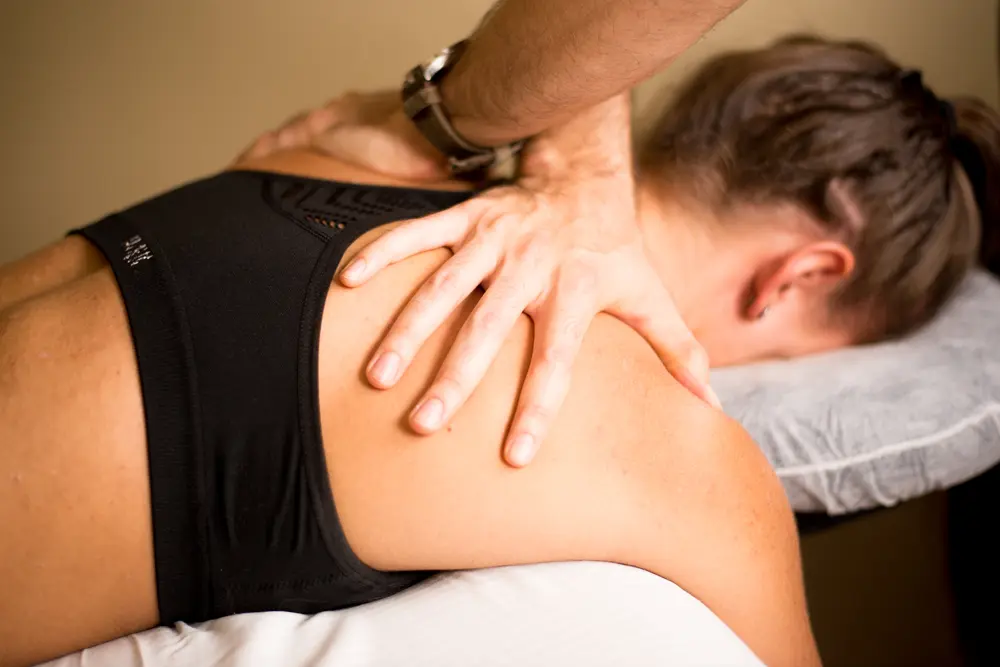
Most people know that good posture matters, but very few maintain it consistently. Long hours at a desk, phone use, driving, stress, and old injuries all add up over time. The result is a familiar pattern: rounded shoulders, a forward head position, tightness between the shoulder blades, and a spine that never quite feels at ease.
Over time, these postural changes are more than a cosmetic issue. They can contribute to chronic neck and back pain, headaches, fatigue, and a general sense of tension in the body. The good news is that posture can be improved—often without surgery or invasive procedures—by addressing the soft tissues that support the spine.
Medical massage for posture targets the underlying muscle tightness, trigger points, and soft tissue restrictions that pull your body out of alignment. At Messina Acupuncture in East Setauket, we combine medical massage with acupressure and other hands-on techniques to support healthier posture and more comfortable everyday movement.
In this article, we’ll look at how posture problems develop, how medical massage can help correct them, and what you can expect from a posture-focused treatment plan.

Understanding Posture Problems
Posture is more than simply “standing up straight.” It reflects how your spine, joints, and muscles work together to keep you upright with minimal strain. When posture is balanced, your head, shoulders, and hips are stacked in a way that distributes load evenly. Muscles can contract and relax efficiently, and joints are not forced to compensate for poor alignment.
When posture becomes imbalanced, certain muscles work harder than they should, while others become weak or underused. Common patterns include:
- Forward head position
- Rounded shoulders
- Increased upper back rounding
- Excessive arch in the lower back
- Pelvic tilt from tight hip flexors and weak glutes
These changes are often driven by daily habits: prolonged sitting, working at a laptop, driving, repetitive movements at work, and chronic stress. The body adapts to these demands by tightening certain muscle groups and allowing others to weaken.
Over time, those adaptations can contribute to chronic back and neck pain, shoulder tension, headaches, and a general feeling that the body is “out of place.” Medical massage therapy is designed to work directly with these tissues so posture can improve in a practical, sustainable way.
How Medical Massage Therapy Supports Better Posture
Medical massage is not the same as a general relaxation massage. It is goal-oriented, focused on specific problem areas, and integrated into an overall plan for improving comfort and function. When the goal is posture improvement, treatments are structured to address the muscle and fascia patterns that keep the body pulled out of alignment.
1. Reducing Excess Muscle Tension
One of the most common contributors to poor posture is muscle tension in key areas such as the neck, upper back, chest, and hips. Long periods of sitting or working in one position encourage certain muscles to remain “on” all day, even when they should be resting.
Medical massage works by identifying these overactive areas and using specific techniques to reduce tension and trigger point activity. As tight muscles begin to relax, the shoulders, spine, and neck can settle into a more neutral position without constant effort or strain.
At Messina Acupuncture, our medical massage and acupressure sessions frequently target:
- The muscles across the upper back and between the shoulder blades
- The base of the skull and neck (common sources of tension headaches)
- The chest muscles that contribute to rounded shoulders
- The hip flexors and lower back muscles that affect pelvic alignment
2. Addressing Muscle Imbalances
Posture is strongly influenced by the balance between opposing muscle groups. When one group becomes tight and shortened, the opposing group is often overstretched and weakened. Examples include tight chest muscles with weak upper back muscles, or tight hip flexors with weak glutes.
Medical massage for posture takes these imbalances into account. Through consistent treatment, shortened muscles are lengthened and areas of chronic tightness are released. While massage itself does not “strengthen” weak muscles, it creates the conditions for them to be re-engaged more effectively with movement and targeted exercises.
In practice, this means patients often find it easier to activate their core, glutes, or upper back after a series of posture-focused massage sessions, because the restrictions that were “fighting against” good posture have been reduced.
3. Improving Flexibility and Range of Motion
Stiff muscles and restricted fascia limit how far joints can move. When you cannot turn your head fully, raise your arms comfortably overhead, or extend your hips without pulling, your body will naturally compensate with altered posture.
Medical massage helps restore flexibility by improving circulation, warming the tissues, and breaking up adhesions and “knots” in the muscle and fascia. As mobility returns to the neck, shoulders, spine, and hips, it becomes more realistic to maintain better posture during work, exercise, and daily tasks.
4. Supporting Spinal Alignment
The spine itself is supported by layers of muscles, ligaments, and fascia. When those tissues are chronically tight or imbalanced, they can pull the spine away from its natural curves, increasing load on certain joints and discs.
By releasing restrictions around the spine and supporting muscles, posture-focused massage encourages the vertebrae to sit in a more neutral, efficient alignment. While massage does not replace structural care when needed, it can significantly reduce the muscular forces that contribute to poor spinal mechanics.
5. Reducing Stress-Related Tension
Stress and posture are closely connected. Many people unconsciously tense their shoulders, jaw, and neck during periods of stress. Over time, this tension becomes a habitual holding pattern that reinforces poor posture.
Medical massage activates the body’s relaxation response, helping the nervous system shift out of a constant “fight or flight” state. As the nervous system calms, muscle tone decreases, breathing becomes more efficient, and the body can more easily adopt a balanced posture.
What to Expect from a Posture-Focused Massage Session
At Messina Acupuncture, posture-focused massage sessions begin with a brief assessment. We typically discuss:
- Where you feel tightness, fatigue, or pain
- How long you sit, stand, or perform repetitive tasks each day
- Any history of injuries, surgeries, or chronic conditions
- What activities are most limited or uncomfortable for you
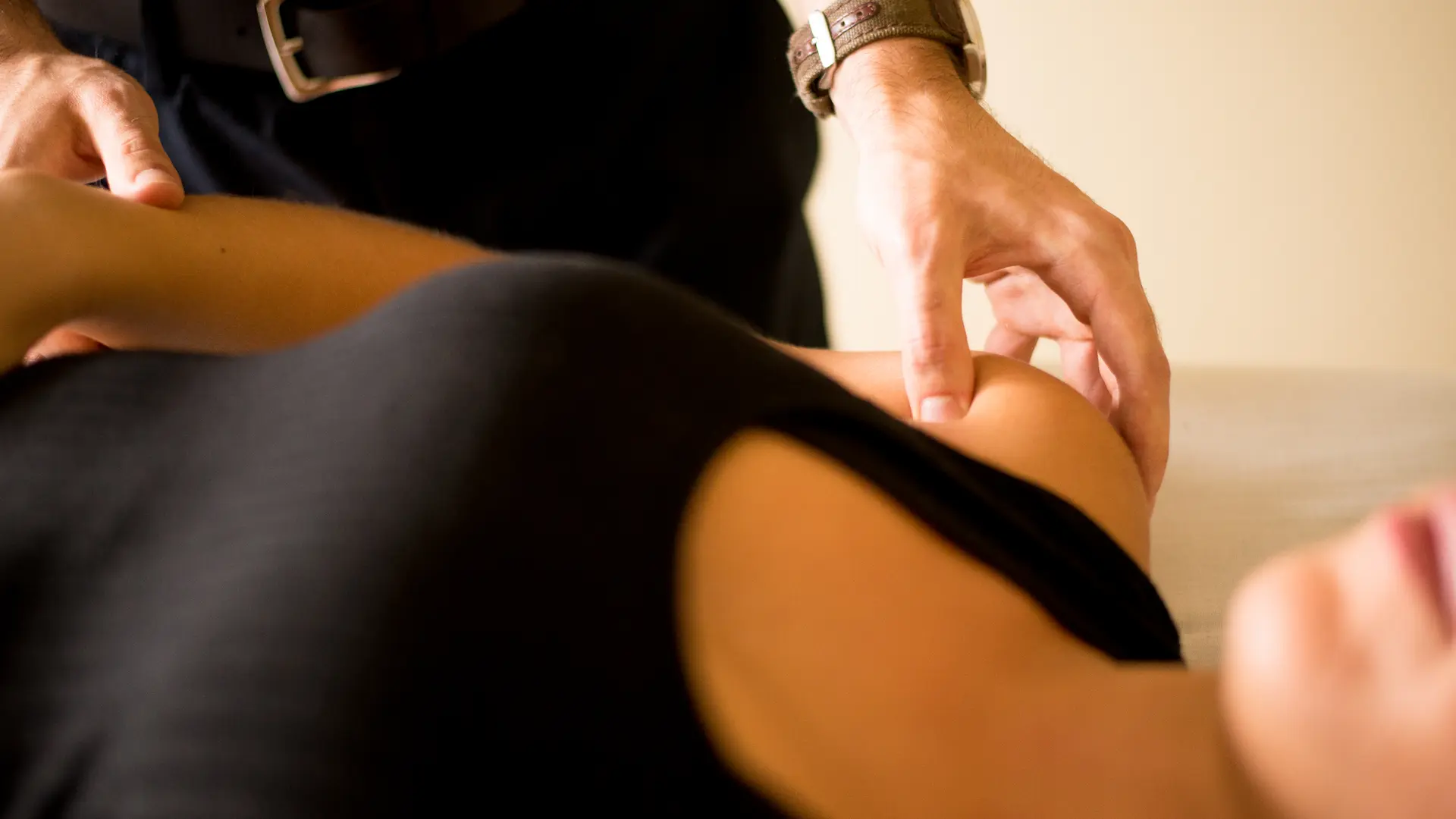
From there, treatment is tailored to the individual. A session may include:
- Targeted work on the neck, shoulders, upper back, and hips
- Acupressure on specific points related to tension and posture
- Work along the spine to address muscular support and soft tissue restrictions
- Instruction on simple positions or movements that can support better posture between visits
Most patients experience a feeling of lightness, increased mobility, and reduced tightness after a session. Posture does not change overnight, but consistent treatment—combined with small changes in daily habits—can create meaningful, long-term improvements.
Long-Term Benefits of Improving Posture
Correcting posture is about more than appearance. When posture improves, patients often notice:
- Reduced neck, shoulder, and upper back pain
- Less fatigue at the end of the day
- Fewer tension headaches
- Easier, fuller breathing
- Improved comfort during work, driving, and exercise
Over time, better posture can also reduce stress on joints and discs, which may lower the risk of certain degenerative changes and overuse injuries.
Massage for Posture: Frequently Asked Questions
Can massage alone fix my posture?
Massage is a powerful tool for reducing tension, improving flexibility, and addressing soft tissue patterns that contribute to poor posture. For best results, it is often combined with simple movement changes, workstation adjustments, and, when appropriate, additional therapies such as acupuncture or dry needling.
How many sessions will I need?
This depends on how long posture issues have been present, how severe your symptoms are, and what your daily demands look like. Some patients notice improvement after just a few sessions; others benefit from a series of visits to address long-standing patterns. We’ll discuss a realistic plan based on your evaluation.
Is posture-focused massage painful?
Therapeutic work on tight areas can create a feeling of strong pressure or mild soreness, but it should never feel intolerable. Communication is important, and pressure can always be adjusted to keep you comfortable while still being effective.
Can massage help if I sit at a desk all day?
Yes. Desk work is one of the most common contributors to posture-related pain. Medical massage can help reverse some of the muscular effects of prolonged sitting, making it easier to maintain better alignment during the workday when paired with simple ergonomic changes.
Is medical massage right for everyone?
Most people can safely receive medical massage, but certain medical conditions may require modified techniques or additional input from your healthcare provider. During your intake, we’ll review your health history to determine the safest, most appropriate approach.
Medical Massage for Posture in East Setauket, NY
If you’re dealing with posture-related pain, stiffness, or fatigue and live in East Setauket, Port Jefferson, Stony Brook, Mt. Sinai, or nearby Long Island communities, medical massage may be a helpful next step.
To schedule a posture-focused medical massage session at Messina Acupuncture, call 631-403-0504 or use our online contact form. We’ll evaluate your posture patterns, discuss your daily demands, and design a treatment plan aimed at helping you move—and stand—more comfortably.