
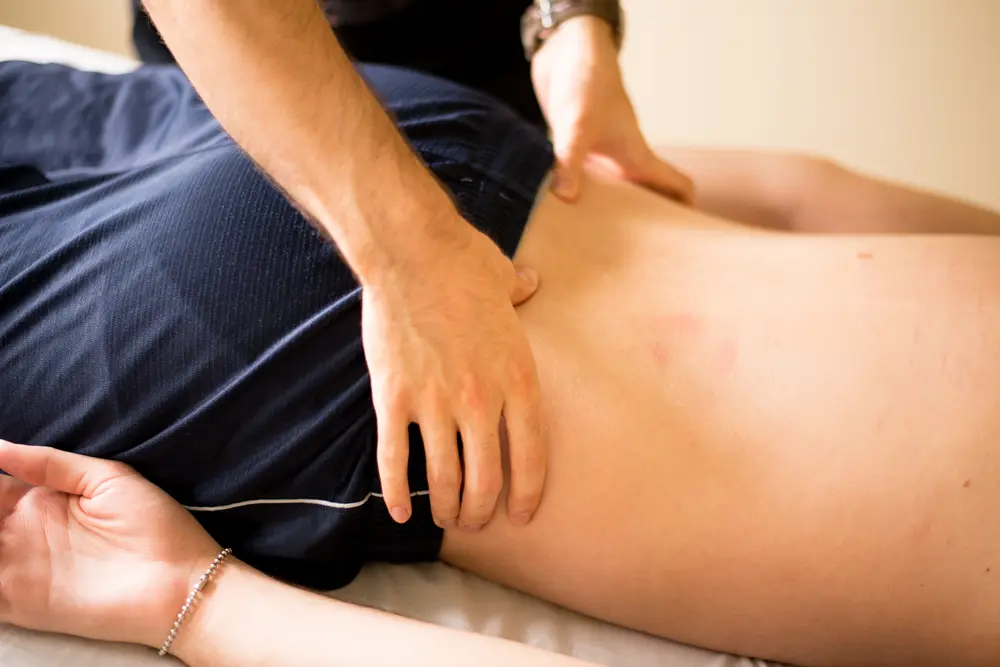
If you’ve been dealing with chronic pain, tight muscles, stiffness, or fatigue in East Setauket or surrounding Suffolk County communities, chances are you’ve looked into different treatment options. Two of the most common choices people consider are chiropractic care and medical massage therapy. They’re both hands-on treatments. They both help people feel better. They’re often recommended for similar issues. So it’s no surprise that many patients come into our clinic saying, “I’m not sure which one I need.”
At Messina Acupuncture, we see this all the time. Some patients are dealing with structural problems in the spine or joints. Others are dealing with muscle-driven pain that no amount of “cracking” will fix. And many people have a combination of both — which is why it can feel confusing when you’re trying to choose the right treatment path.
This guide breaks things down in a simple, human way. No jargon, no overcomplicated explanations — just clear, useful information so you can choose the approach that makes sense for your body and your health goals right here on Long Island.

What Exactly Is Medical Massage Therapy?
Medical massage therapy is not your typical spa massage. Yes, it feels good — but its purpose is much deeper. Medical massage is a focused, therapeutic treatment designed to address specific areas of pain, tension, and dysfunction in the muscles and fascia (the connective tissue that wraps around everything in your body).
Unlike general relaxation massage, medical massage uses targeted techniques such as deep tissue work, trigger point therapy, myofascial release, stretching, and acupressure. These approaches help:
- Release tight, overworked muscles
- Break up adhesions and “knots” that limit movement
- Improve circulation to injured or stiff areas, speeding up healing
- Promote better range of motion and flexibility
- Reduce inflammation and discomfort naturally
It’s especially helpful for people in our community dealing with:
- Chronic muscle tightness from daily stress
- Postural strain from sitting at a desk all day (“Text Neck”)
- Tension headaches that start in the shoulders
- Neck and shoulder stiffness
- Sports injuries from weekend activities
- Stress-related pain and fatigue
- Limited mobility or flexibility
If your pain feels like it’s coming from tight muscles, restricted movement, or a sense of constant tension, medical massage therapy is often the best first step — and one of the most naturally effective ways to get relief.
So What Does Chiropractic Care Do?
Chiropractic care focuses on the structure of the body—especially the spine. Chiropractors focus on identifying and correcting spinal or joint restrictions (sometimes called “misalignments” or subluxations), which can impact the nervous system and lead to pain, limited mobility, or stiffness.
Their primary tool is the spinal adjustment — a quick, controlled force applied to a specific joint to restore proper movement. Chiropractors may also use stretching, joint mobilization, and soft tissue work, but their main focus is the skeletal and nervous systems.
Chiropractic care is especially effective for people dealing with:
- Sciatica or nerve-related pain radiating down the leg
- Joint stiffness and reduced spinal mobility (feeling “locked up”)
- Acute back or neck pain from lifting or twisting
- Certain types of headaches originating from the neck
- Structural or alignment issues following an accident
When the root of the pain is a joint that is physically stuck — not just muscle tension — chiropractic care often provides quick relief by restoring proper movement and reducing nerve irritation.
Massage vs. Chiropractic: What’s the Actual Difference?
Here’s the simplest way to understand it:
Massage therapy focuses on muscles (soft tissue).
Chiropractic care focuses on joints (bones).
If your pain is coming from muscle tension, knots, stress, or overuse — massage therapy is usually the right choice. If your pain is coming from a stuck joint or nerve irritation — chiropractic adjustments may be more effective.
Side-by-Side Comparison
| Category | Medical Massage Therapy | Chiropractic Care |
|---|---|---|
| Main Focus | Muscles, fascia, soft tissue | Spinal and joint alignment |
| Best For | Muscle tension, stress pain, soft tissue injuries, postural issues | Joint restrictions, nerve-related pain (sciatica), acute structural issues |
| Primary Technique | Deep tissue, trigger point, myofascial release, acupressure | Spinal adjustments (HVLA thrusts), joint manipulation |
| What It Feels Like | Deep pressure, sustained holds, gradual release of tension. Relaxing. | Quick, controlled thrusts. Often involves a “popping” sound. Can be intense. |
| Good For Stress? | Yes, highly effective for reducing nervous system wind-up. | Indirectly, by reducing pain, but not a primary focus. |
| Session Length | Typically 30–60 minutes of hands-on time. | Often 5–15 minutes of active treatment time. |
How to Know Which Treatment You Actually Need
Here’s a helpful breakdown based on what you’re feeling:
- If your pain feels tight, stiff, achy, or like a dull throb: Start with medical massage therapy.
- If your pain shoots, tingles, burns, or radiates down an arm or leg: A chiropractic or orthopedic evaluation might be appropriate first to rule out nerve impingement.
- If you feel physically “stuck” or have limited range of motion in a specific joint: Chiropractic may help restore that movement quickly.
- If stress makes your pain worse: Massage is usually more effective at calming the nervous system.
- If your body feels imbalanced from poor posture at work: Massage offers the best reset for overworked muscles.
- If both muscles and joints feel off: A combination approach can be extremely effective.
Most patients in the real world fall into the “combination” category — sore muscles from daily life plus occasional joint stiffness. But as a starting point (and often the most natural first step), medical massage therapy is the gentler, more accessible option with fewer contraindications.

Why Many Patients Benefit More From Medical Massage First
Here’s something we see constantly at Messina Acupuncture: patients book chiropractic appointments when the real issue is muscular — not structural. When muscles are tight, overactive, or inflamed, adjustments often don’t “hold” because the soft tissue keeps pulling things back out of place.
Think of your muscles as the rigging on a sailboat mast. If the ropes on one side are too tight, the mast will lean. You can try to push the mast straight, but until you loosen the ropes, it will just lean back over.
This is why medical massage therapy is often the best foundation for lasting improvement. It helps calm the soft tissues down so the body can move better on its own.
- Soft tissues relax and lengthen
- Circulation improves, flushing out inflammation
- Trigger points release
- Range of motion increases naturally
- Pain decreases without force
From there, if needed, chiropractic adjustments tend to work more smoothly and maintain their benefits longer. But many patients achieve complete relief using soft-tissue therapy alone.
Massage vs. Chiropractic: Frequently Asked Questions
Can massage therapy fix spinal alignment?
Massage does not “adjust” bones, but it can reduce the muscular tension that pulls the spine out of alignment. Many alignment issues improve naturally once tight muscles are released and balanced.
Is chiropractic care painful?
Most adjustments are quick and generally painless, though some patients feel mild soreness afterward. If the idea of “cracking” makes you uncomfortable, medical massage or acupuncture are excellent, gentler alternatives.
Can I receive both massage and chiropractic care?
Yes — in fact, combining both therapies often produces excellent results. We often recommend getting a massage *before* a chiropractic adjustment to loosen the muscles, making the adjustment easier and longer-lasting.
Is massage therapy enough for chronic pain?
Often, yes. Many people experience major improvements from regular medical massage alone, especially when pain is muscle-driven, stress-related, or tied to posture.
How do I know if my pain is muscular or structural?
A general rule of thumb: If your pain changes when you press on a specific spot, it’s likely muscular and massage will help. If it changes based on body position or movement (like bending forward vs. backward), chiropractic may play a role. For most people, the first session makes this clear right away.
Can massage help with headaches?
Absolutely. Tension headaches are often triggered by tight neck and shoulder muscles that refer pain to the head. Medical massage is one of the most effective natural treatments for breaking this cycle.
If You’re Unsure Where to Start, Massage Is Usually the Best First Step
If you feel tight, sore, or tense — massage will almost always help. If your pain feels sharp, shooting, or nerve-like, then a chiropractic evaluation may also be worth exploring. But for most people in East Setauket, Port Jefferson, Stony Brook, and surrounding Long Island communities, the safest, most comfortable, and most relaxing first treatment is medical massage therapy.
It’s gentle, effective, deeply relaxing, and carries virtually no downtime. And unlike some other treatments, you’ll often feel improvement immediately after getting off the table.
Schedule a Medical Massage in East Setauket, NY
If you’re struggling with tension, stiffness, postural discomfort, or muscular pain, we’d be happy to help. Medical massage therapy offers natural relief and is an excellent starting point for anyone unsure which treatment their body needs.
At Messina Acupuncture, located at 100 N Country Road, Setauket, NY 11733, our licensed therapists specialize in clinical soft-tissue work designed to get you moving freely again.
To book a medical massage appointment, call us at 631-403-0504 or schedule online through our contact page.
Your body will feel the difference — often sooner than you expect.