
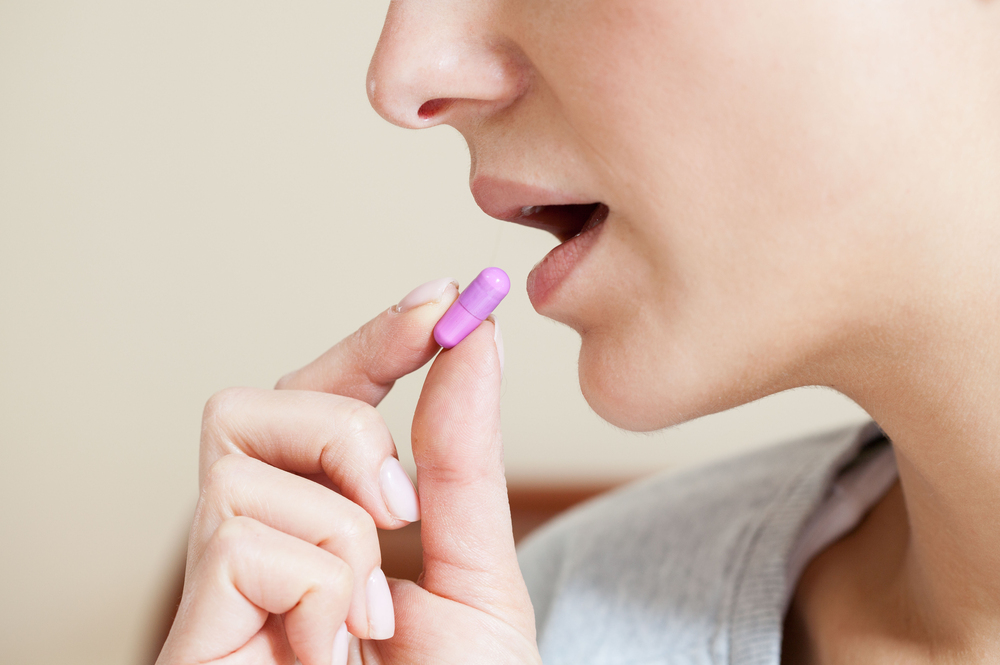
Picture this scenario: You woke up this morning with a migraine that feels like a vice grip, or maybe your lower back seized up while shoveling snow in your driveway in Setauket. You have an acupuncture appointment scheduled for 2:00 PM. You are in agony, and the bottle of Ibuprofen is staring at you from the bathroom counter.
The temptation to take a pill is overwhelming. You just want to take the edge off so you can drive to the clinic safely. But then, a question pops into your head: “If I take this, will it ruin my treatment?”
This is one of the most common questions we hear at Messina Acupuncture. It touches on the fundamental difference between Western pharmacology (which blocks signals) and Eastern medicine (which stimulates them). The answer isn’t a simple “yes” or “no”—it depends entirely on what you are taking, why you are taking it, and what we are trying to treat.
In this comprehensive, deep-dive guide, we will explore the complex interaction between painkillers and acupuncture. We will cover the specific effects of NSAIDs versus opioids, the critical safety risks regarding blood thinners, and the optimal “pre-game” protocol to ensure you get the maximum benefit from your session.
The Core Conflict: Blocking vs. Stimulating
To understand why painkillers can be problematic, you first need to understand the physiological mechanism of acupuncture. Acupuncture is not magic; it is a form of targeted sensory stimulation. When we insert a needle, we are intentionally creating a “micro-trauma” or a specific neurological signal.
This signal travels up the spinal cord to the brain, triggering a cascade of healing responses:
- Vasodilation: Opening blood vessels to flush the area with oxygen.
- Immune Response: Sending white blood cells and fibroblasts to repair tissue.
- Endorphin Release: The brain releases its own natural painkillers (enkephalins and dynorphins).
Here is the problem: Most painkillers work by blocking these exact signals. If you chemically dampen the nervous system’s ability to “feel” the needle, the brain may not receive the full message to start the healing process. It’s like trying to make a phone call when the line has been cut.
Deep Dive: How Different Drugs Affect Treatment
Not all painkillers are created equal. Depending on what is in your medicine cabinet, the interaction varies significantly. We have broken down the four major drug classes below.
1. NSAIDs (Ibuprofen, Naproxen, Aspirin)
Brand Names: Advil, Motrin, Aleve, Bayer. How They Work: They inhibit enzymes (COX-1 and COX-2) that produce prostaglandins—the chemicals responsible for inflammation and pain signaling. The Acupuncture Conflict: Acupuncture relies on a controlled inflammatory response to heal tendonitis and muscle tears. By suppressing inflammation chemically, NSAIDs can blunt the “repair” signal we are trying to trigger. While it won’t make the treatment useless, it may render it less potent for orthopedic injuries like tennis elbow or rotator cuff strains.
2. Acetaminophen
Brand Names: Tylenol, Excedrin. How It Works: It reduces pain perception in the brain but does not significantly reduce inflammation. The Acupuncture Conflict: This is generally less disruptive than NSAIDs because it doesn’t stop the anti-inflammatory healing cascade. However, it still dulls your sensory feedback. This makes it harder for you to tell us exactly where the pain is located, potentially leading to a less precise diagnosis.
3. Opioids
Brand Names: Vicodin, Percocet, OxyContin, Tramadol. How They Work: These bind to opioid receptors in the brain and spinal cord, powerfully depressing the central nervous system. The Acupuncture Conflict: High doses of opioids can make the nervous system sluggish. Since acupuncture requires a responsive nervous system to work, heavy sedation can act as a barrier. Additionally, if you are “loopy” or heavily sedated, you cannot give informed consent or accurate feedback, which is a major safety issue.
4. Muscle Relaxers
Brand Names: Flexeril, Soma, Baclofen. The Acupuncture Conflict: If you are coming in for dry needling, muscle relaxers can be counterproductive. Dry needling aims to elicit a “twitch response” to release a trigger point. If the muscle is chemically forced to relax, it may not twitch, and the mechanical release may not be as complete.
The Diagnostic Problem: The “Masking” Effect
In Traditional Chinese Medicine (TCM), diagnosis is tactile. We don’t have MRI machines or X-rays in the treatment room; we have our hands. We rely on finding Ashi Points—tender spots that indicate where the blockage is.
Imagine your body is a car making a rattling noise. You take it to the mechanic.
- Scenario A: You let the mechanic listen to the rattle. He finds the loose bolt immediately and tightens it.
- Scenario B: You put heavy insulation around the engine so the noise is muffled. The mechanic can’t hear the rattle, so he has to guess which bolt is loose.
Taking painkillers before your session is Scenario B. You might tell us, “It feels fine right now,” or “I can’t really find the spot.” This robs us of the roadmap we need to treat you effectively. We might treat the general area, but we could miss the specific trigger point causing 80% of your misery.
Safety Critical: Blood Thinners and Bruising
Beyond the effectiveness of the treatment, there is a very real safety concern regarding bleeding. Acupuncture involves breaking the skin with needles. While the needles are hair-thin, they can still nick surface capillaries.
Many common painkillers act as anticoagulants (blood thinners):
- Aspirin: This is a potent blood thinner. It irreversibly affects platelets for their entire lifespan (7–10 days). Even one baby aspirin can increase bruising.
- NSAIDs (Ibuprofen/Naproxen): These temporarily thin the blood while they are active in your system.
- Prescription Thinners (Warfarin/Eliquis): These significantly increase bleeding risk.
If your blood is thinned, you are significantly more likely to develop hematomas (large bruises) or experience bleeding that takes longer to stop after the needle is removed.
The Protocol: If you are on prescription blood thinners, you must tell us during your intake. We can still treat you safely, but we will modify our technique:
- We use thinner gauge needles (0.16mm or smaller).
- We avoid deep, aggressive needling in highly vascular areas.
- We apply pressure for 30–60 seconds upon removal to ensure hemostasis (clotting).
The Danger of “Needle Shock”
There is a specific physiological reaction called Needle Shock (Vasovagal Response) where a patient faints or feels extremely nauseous during treatment. This is rare, but taking painkillers on an empty stomach significantly increases the risk.
Here is why: NSAIDs and opioids can irritate the stomach lining. Acupuncture naturally lowers blood pressure and blood sugar slightly. If you combine an irritated stomach, low blood sugar (from not eating), and the nervous system shift from the needles, your body may “reboot” by fainting.
To prevent this: Always eat a small snack before coming in, especially if you have taken medication.
The 24-Hour Pre-Appointment Protocol
To get the absolute best results at our Setauket clinic, we recommend following this timeline before your visit.
4 to 6 Hours Before: The Cutoff
Try to stop taking short-acting painkillers (like Ibuprofen or Tylenol) at least 4 hours before your appointment. This allows the peak effect to wear off, so your nervous system is responsive and you can give us accurate feedback on pain location.
2 Hours Before: Hydrate
Hydration is Key: Your body is an electrical system. Water helps conduct the signals through the fascia. Dehydrated tissue is sticky and tight, which can make needle insertion more uncomfortable. Drink a large glass of water before you head to the clinic.
The “Exception” Rule: When You SHOULD Take Them
We are realists. We know that sometimes, pain is simply unbearable. There is a specific scenario where we actually recommend taking medication.
The 10/10 Pain Rule: If your pain is so severe (acute spasms, thrown-out back) that you literally cannot walk into the office, or you cannot lie still on the table for 15 minutes, please take your medication.
If you are writhing in agony, your muscles will be locked in a protective spasm. You will be in a state of high Sympathetic arousal (Fight or Flight). In this state, your body will fight the needles. A lower dose of pain medication can help you settle enough to lie still, breathe, and let us do our work. Just be sure to tell us exactly what you took and when.
What About Alcohol and Recreational Substances?
It’s not just pills. Patients sometimes ask if a “glass of wine” or marijuana helps relax them before treatment.
The Answer is a Hard NO.
- Alcohol: It dilates blood vessels, increasing the risk of bleeding. It also impairs your judgment and sensory feedback. We cannot legally or ethically treat an intoxicated patient.
- Marijuana (THC): While it can reduce pain, it alters your perception. Some patients find that THC actually makes them hyper-aware of the sensation of the needles, leading to paranoia or anxiety during the session.
Post-Appointment: Can I Take a Pill Now?
You just finished your session. You feel floaty, relaxed (“Acu-Stoned”), and your pain is down significantly. But you are worried it will come back tonight. Should you take a pill “just in case”?
We recommend waiting at least 2–3 hours.
Acupuncture continues to work for hours after the needles are removed. Your body is currently flooding the area with endorphins and fresh blood. If you introduce a chemical anti-inflammatory immediately, you might blunt this “after-effect.”
Managing the “Healing Crisis”
Occasionally, especially after deep dry needling, you may feel sore later that night. This is not “bad” pain; it is the feeling of your muscles remodeling. Instead of reaching for pills immediately, try:
- Moist Heat: A hot shower or Epsom salt bath improves circulation.
- Topical Analgesics: BioFreeze, Tiger Balm, or Arnica gel can numb the surface sensation without affecting the internal healing process.
- Movement: Gentle walking prevents the muscles from stiffening up.
Alternatives for “Needle Anxiety”
We find that about 50% of patients who want to take painkillers before acupuncture aren’t doing it for physical pain—they are doing it for anxiety. They are afraid the needles will hurt.
If this is you, taking an opioid or heavy sedative is overkill. We have better, drug-free ways to handle needle phobia:
- Guide Tubes: We use plastic tubes to tap the needle in. The tap distracts the nerves, so you rarely feel the insertion.
- Deep Breathing: We coach you to exhale on insertion. This prevents your muscles from tensing up.
- Acupressure First: We can start with non-insertive acupressure to build your trust before moving to needles.
Communication: What to Tell Your Acupuncturist
If you do take medication before coming in, don’t hide it. We aren’t going to judge you. We just need to know so we can adjust the treatment. Tell us:
- “I took 400mg of Ibuprofen at 10:00 AM.”
- “My pain is usually an 8/10, but right now it feels like a 4/10 because of the meds.”
- “I am on a daily blood thinner for my heart condition.”
Why Setauket Residents Trust Messina Acupuncture
We pride ourselves on being a partner in your health, not just a service provider. We treat patients from Stony Brook University Hospital, local athletes, and retirees, and we take the time to look at your full list of medications to ensure your treatment plan is safe.
We believe that pain relief shouldn’t require a prescription pad. By working with your body’s natural rhythms, we can help you reduce your reliance on medication over time.
Read Our 5-Star Reviews on Google
Frequently Asked Questions (FAQ)
What if I take prescription medication daily?
Do not skip prescribed maintenance medications (like blood pressure meds, antidepressants, or daily pain management for chronic conditions). Just inform us during your intake. Acupuncture works wonderfully alongside these treatments.
Will acupuncture help me get off painkillers?
Yes. Systematic reviews show that acupuncture is associated with reduced opioid consumption and delayed need for analgesics. We can work with your doctor to create a tapering plan.
Is it okay to use CBD cream before coming in?
Topical CBD or analgesic creams are fine, but please let us know. If your skin is slippery from lotions or oils, we may need to clean the area more thoroughly with alcohol to ensure the adhesive for tapes or needles sticks properly.
Start Your Drug-Free Recovery Today
You don’t have to carry a bottle of pills in your purse to get through the day. Acupuncture offers a natural path to pain relief that works with your physiology, not against it.
We are conveniently located to serve Setauket, Port Jefferson, and Stony Brook:
Messina Acupuncture 100 N Country Road, Setauket, NY 11733
Ready to feel better? Contact us today or call (631) 403-0504 to schedule your consultation.