
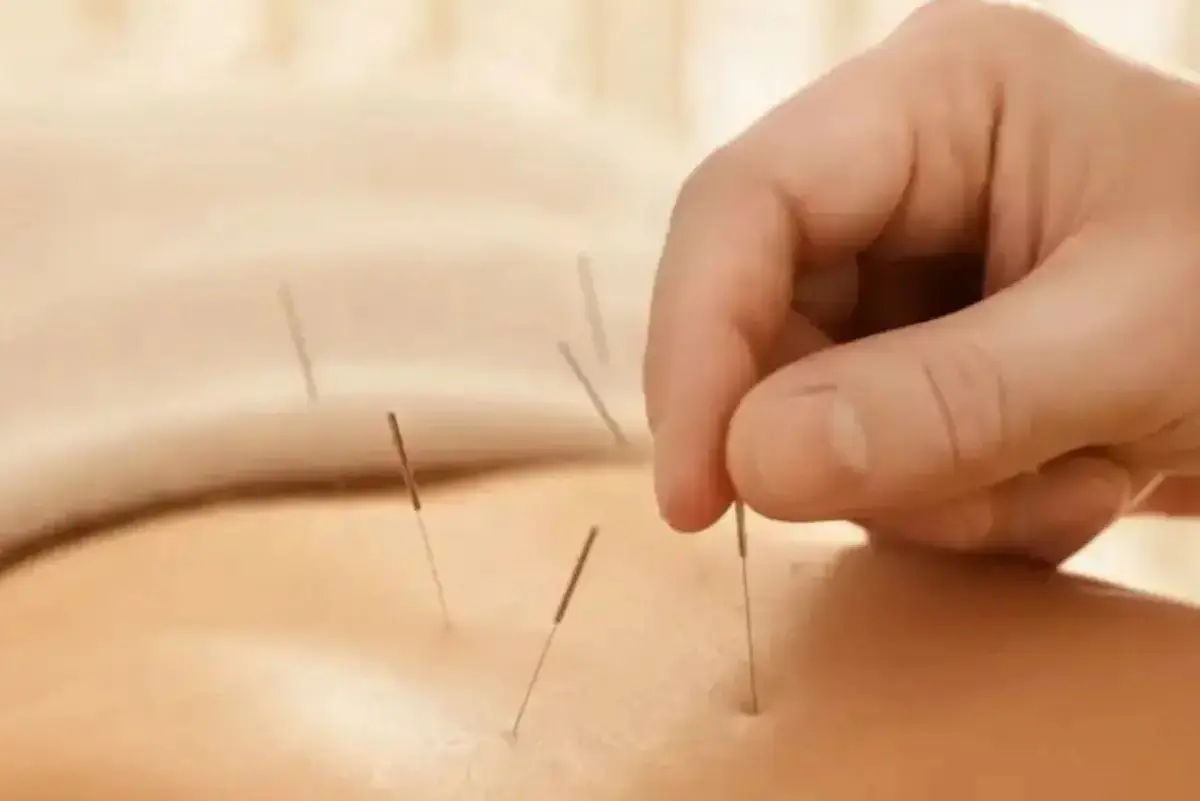
Post-Acupuncture: It’s common to notice mild, short-lived reactions after an acupuncture session—sometimes called “detox” or adjustment symptoms. Acupuncture supports the body’s natural healing, and you may feel temporary sensations as it rebalances. This guide explains typical post-acupuncture symptoms, how long they usually last, practical ways to feel better (hydration, food, rest, and simple self-care), and when to reach out to your practitioner. Our goal is to help you recover comfortably and get the most from your care.
What Are Common Post-Acupuncture Symptoms?
Post-Acupuncture, people often experience gentle, temporary responses as the body shifts and begins to heal. These reactions vary from person to person but are usually brief and a normal part of recovery. Knowing what to expect can ease worry and help you respond appropriately.
Which Post-Acupuncture Symptoms Should You Expect?
- Fatigue: Feeling tired or unusually relaxed is common. It often means your energy is rebalancing and your body is consolidating the treatment—rest when you need to.
- Headaches: Mild, tension-type headaches can happen as circulation and muscle tone change. They’re usually short-lived and resolve on their own.
- Dizziness: Lightheadedness may occur, especially if you haven’t eaten or if you stand up quickly. It’s typically a brief shift in blood pressure or circulation.
- Emotional Release: Acupuncture can bring up emotions—momentary sadness or sensitivity as the body releases stored tension is a normal part of processing.
- Soreness or Minor Bruising at Needle Sites: Slight tenderness, small red marks, or minor bruising can appear where needles were placed; these usually fade within a day or two.
Most of these mild effects clear within a few hours to a couple of days and reflect your body settling into a healthier balance.
Why Do Post-Acupuncture Symptoms Like Fatigue and Headaches Occur?
Fatigue and headaches after a session come from the body’s natural response to treatment:
- Energy Shifts: Acupuncture helps rebalance vital energy (Qi). That internal reorganization can temporarily tire you as your system finds a new equilibrium—like a gentle reboot.
- Physiological Responses: Mild headaches may follow changes in blood flow, muscle tone, or nervous system regulation. Activating the parasympathetic nervous system promotes deep relaxation, which can feel heavy or tiring.
Traditional practitioners sometimes describe a “healing crisis” or brief detox phase, where symptoms temporarily shift before improving. Framing these changes as part of the therapeutic process — rather than something to fear — can help you stay calm and attentive to your recovery.
Understanding the “Detox” Concept in Post-Acupuncture: A Holistic Perspective
When people say “detox symptoms” in acupuncture, they mean the body’s energetic and physiological rebalancing—not medical detoxification in the conventional sense. From a Traditional Chinese Medicine (TCM) viewpoint, these short-lived sensations signal the body responding and working toward deeper healing.
Even within biomedical frameworks, acupuncture produces measurable effects: it influences the nervous system, alters blood flow, reduces inflammation, and releases endorphins. Those changes can show up as mild, temporary symptoms while your system shifts toward better balance. Skilled practitioners recognize these responses as part of the healing journey and monitor them closely.
How Long Does the Post-Acupuncture Healing Process Last?
The length of any post-treatment response depends on your overall health, the condition treated, and how your body reacts. In most cases, symptoms are short-lived and manageable.
What Is a Post-Acupuncture Healing Crisis and How Does it Relate to Post-Acupuncture Symptoms?
Sometimes called a healing crisis or Herxheimer reaction, this describes a temporary increase in symptoms after treatment. Practitioners who use this term view it as a sign the body is clearing imbalances before improvement. While this can be uncomfortable, it’s usually short-term.
Be mindful: mild fluctuations are often normal, but you should distinguish them from worrying signs. If symptoms are severe, persistent, or troubling, contact your practitioner or a healthcare professional. They can determine whether what you’re experiencing fits an expected healing pattern or needs further attention.
When Do Post-Acupuncture Symptoms Usually Resolve?
Most mild post-acupuncture symptoms ease within a few hours to 48 hours as the body adjusts. If symptoms persist longer than a few days, worsen significantly, or new concerning issues develop, reach out to your acupuncturist so they can reassess and suggest adjustments.
What Are the Best Strategies to Manage Post-Acupuncture Symptoms?
Supporting your body after a session helps you recover more comfortably and makes the treatment effects easier to integrate. Simple, proactive steps can reduce discomfort and promote deeper healing. Key recommendations include:
- Stay Hydrated: Water and mild herbal teas support circulation and help the body clear metabolic byproducts.
- Make Thoughtful Food Choices: A balanced, whole-foods diet supplies nutrients for repair; limiting inflammatory or sugary foods reduces stress on the system.
- Prioritize Rest and Gentle Self-Care: Allowing time to rest and using calming practices helps conserve energy for healing and prevents unnecessary strain.
How Does Hydration Support Post-Acupuncture Recovery?
Hydration is a foundational, practical step after treatment. Adequate fluids help to:
- Support Kidney Function: Proper hydration aids natural filtering and the removal of metabolic byproducts.
- Prevent Dehydration: Even mild dehydration can worsen headaches, fatigue, or muscle cramps—drinking water reduces those risks.
- Enhance Cellular Function: Water helps transport nutrients and clear waste, enabling cells to carry out repair and recovery.
Which Nutritional Choices Aid Post-Acupuncture Recovery and Which Foods to Avoid?
Eating nutrient-dense foods supports healing and lowers inflammation. The table below shows helpful choices and what to limit:
| Food Type | Helpful Choices (Why) | Foods to Limit (Why) |
|---|---|---|
| Fruits | Berries, oranges, apples (antioxidants, vitamins, gentle energy) | Dried fruits with added sugar (can spike blood sugar) |
| Vegetables | Leafy greens, carrots, beets (vitamins, minerals, fiber) | Canned veggies high in sodium or preservatives (lower nutrient quality) |
| Grains | Quinoa, brown rice, oats (steady, complex carbohydrates) | White bread, pastries (refined carbs, promote inflammation) |
| Proteins | Lean meats, legumes, nuts, seeds (amino acids for repair) | Processed meats, fried foods (inflammatory, hard to digest) |
| Herbal Teas | Ginger, chamomile, peppermint (soothing, anti-inflammatory) | Excessive caffeine (can dehydrate, overstimulate) |
| Spices | Turmeric, ginger, cinnamon (anti-inflammatory, antioxidant) | Artificial sweeteners, very salty foods (can disrupt gut balance) |
Choosing nourishing foods while limiting highly processed or inflammatory items supports steady energy and can reduce post-treatment discomfort.
How Can Rest and Self-Care Enhance Your Post-Acupuncture Recovery?
Rest and gentle self-care aren’t passive; they actively help the body integrate treatment, heal, and restore balance. Making space for recovery amplifies acupuncture’s benefits and eases transitional symptoms.
Why Is Sleep and Gentle Movement Important After Post-Acupuncture?
Both quality sleep and light movement play distinct, complementary roles:
- Sleep: Deep rest is when the body repairs tissue, consolidates energy, and supports immune function. Extra sleep after a session helps your system process the changes.
- Gentle Movement: Low-impact activity—walking, gentle stretching—encourages circulation and helps move stagnant energy without taxing your reserves.

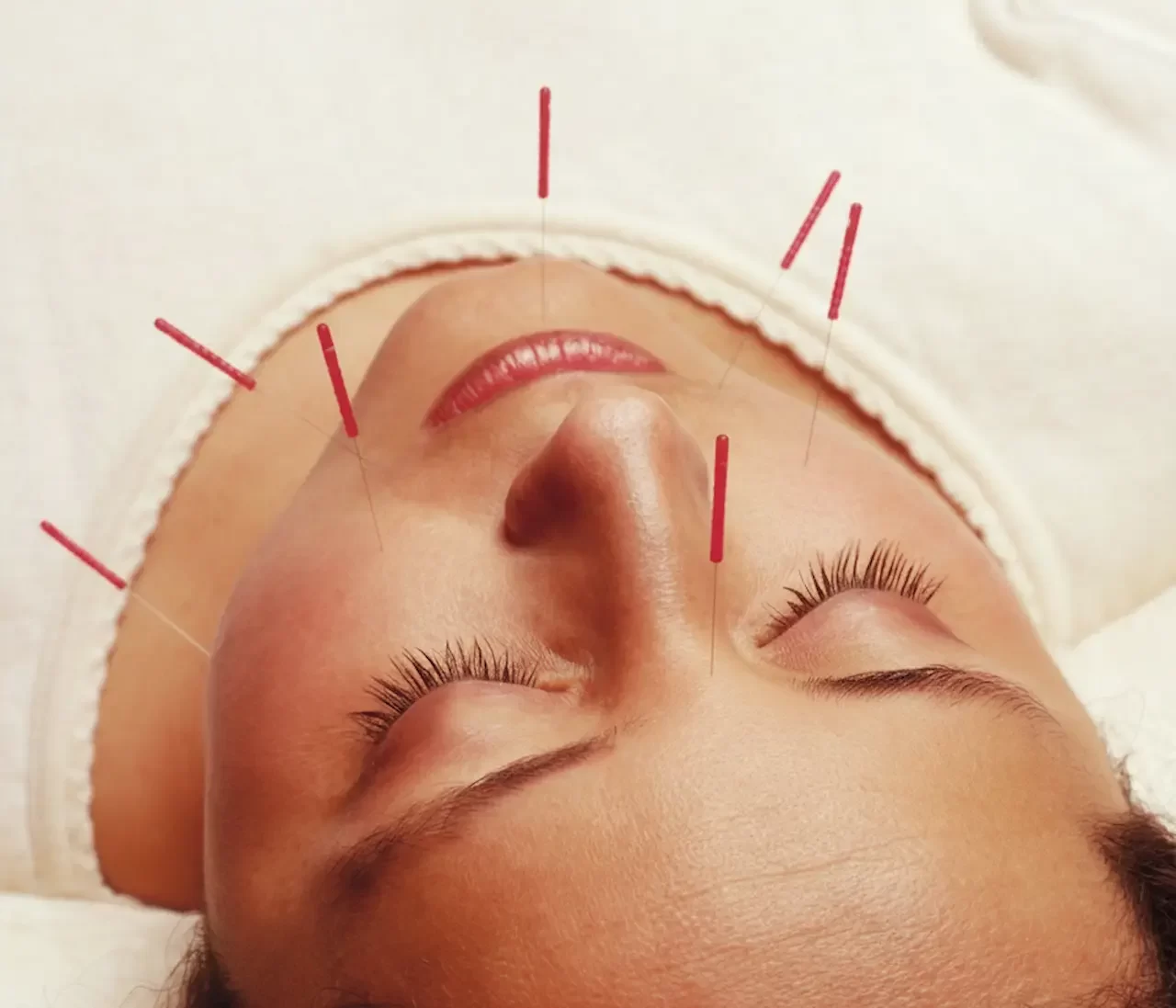
What Self-Care Techniques Like Acupressure and Epsom Salt Baths Help Post-Acupuncture Recovery?
Simple self-care can soothe symptoms and reinforce treatment effects:
- Acupressure: Light pressure on points such as LI4 (for headaches) or PC6 (for nausea) can ease symptoms—ask your practitioner for personalized guidance.
- Epsom Salt Baths: A warm soak with Epsom salts relaxes muscles and encourages calm; magnesium in the salts often helps with tension.
- Mindfulness and Meditation: Short breathing exercises or guided meditation (10–15 minutes) calm the nervous system and support recovery.
- Warm Compresses: Applying a warm, moist compress to sore areas increases circulation and relieves stiffness.
| Self-Care Technique | Benefit | Quick Tip |
|---|---|---|
| Acupressure | Relieves tension, eases pain, promotes relaxation | Apply gentle pressure to LI4 (headaches) or PC6 (nausea). |
| Epsom Salt Baths | Soothes muscles, reduces tension, promotes relaxation | Soak for about 20 minutes with 1–2 cups of Epsom salts. |
| Mindfulness/Meditation | Calms the nervous system, reduces stress | Try 10–15 minutes of focused breathing daily. |
| Warm Compresses | Increases blood flow, relaxes tight muscles | Use a warm, damp towel on sore spots for 10–15 minutes. |
When Should You Contact Your Practitioner About Post-Acupuncture Symptoms?
Although most post-treatment reactions are mild and pass quickly, certain signs warrant prompt professional advice to keep you safe and on track with recovery.
What Are Warning Signs of Concerning Post-Acupuncture Symptoms That Need Medical Attention?
Call your acupuncturist right away if you notice any of the following:
- Severe or Worsening Headaches: Intense, persistent pain that doesn’t improve with rest or usual remedies—especially if you have vision changes, numbness, or extreme light sensitivity.
- Prolonged or Debilitating Fatigue: Marked exhaustion that lasts several days and prevents normal activity.
- Unusual or Concerning Symptoms: High fever, severe localized pain, signs of infection at needle sites (increasing redness, swelling, pus), or allergic reactions (hives, trouble breathing).
- Significant Bruising or Bleeding: Excessive bleeding or a rapidly expanding bruise at a needle site.
- Increased Pain or Worsening of the Original Problem: If your symptoms clearly worsen instead of improving or fluctuating mildly.
Important Note: When in doubt, reach out. If you have severe, persistent, or worrying symptoms, contact your acupuncture practitioner or a medical provider right away. Acupuncture complements medical care but should not replace urgent medical attention for serious issues.
How Can Messina Acupuncture Support Your Post-Acupuncture Care?
At Messina Acupuncture, your comfort and recovery matter to us. Our practitioners offer tailored guidance after each session and are available to answer questions about post-treatment symptoms. We focus on musculoskeletal and orthopedic concerns and adjust care plans to minimize discomfort and speed recovery. If something doesn’t feel right, contact us—we’ll help you understand what to expect and how to move forward.
Ready to Experience Holistic Healing?
Schedule a consultation with our team to discuss your health goals and how acupuncture can support lasting well-being.
Frequently Asked Questions About Post-Acupuncture and Its Symptoms
Answers to common questions can ease worries and help you navigate recovery with confidence.
Can Post-Acupuncture Cause Tiredness or Emotional Shifts?
Yes. Feeling tired or experiencing brief emotional changes are common. Fatigue often reflects deep relaxation and energy rebalancing; emotional releases—temporary sadness or heightened sensitivity—can occur as stored tension is released. These reactions usually pass within a day or two and indicate your body is adjusting.
What Should You Not Do After Post-Acupuncture to Avoid Worsening Symptoms?
To support recovery and reduce the chance of worsening mild symptoms, avoid the following immediately after your session:
- Intense Exercise: Heavy workouts can divert energy away from healing—choose gentle movement instead.
- Alcohol: Alcohol dehydrates and can blunt recovery—avoid for at least 24 hours.
- Skipping Meals or Eating Highly Processed Foods: Not eating or choosing poor-quality foods can increase dizziness and fatigue—opt for nourishing meals.
- Over-scheduling and Stress: Rushing back into a hectic day undermines the calming effects of treatment—allow time to rest.
- Excessive Caffeine: Too much caffeine can dehydrate and overstimulate the nervous system, counteracting relaxation.
Following these simple precautions helps your body integrate the benefits of acupuncture more smoothly.
Take the Next Step Towards Wellness
If you’re ready to explore how acupuncture can support your health, our team at Messina Acupuncture is here to help. We look forward to partnering with you on your path to comfort and better function.