
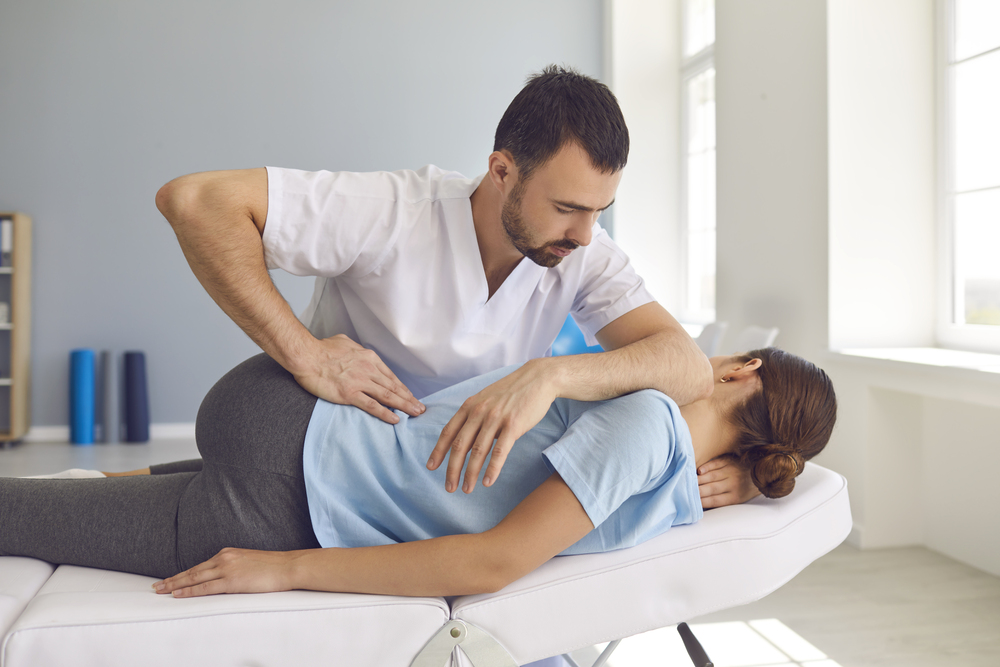
The growing use of massage for inflammation comes from its potential to reduce swelling, ease muscle tightness, and improve comfort before problems become long-term. While massage is not a cure for inflammatory conditions, it can be a valuable part of a supportive, whole-body approach to feeling better and moving more easily.
Inflammation plays a role in many health issues, including arthritis, musculoskeletal pain, cardiovascular concerns, and autoimmune conditions. Instead of waiting until symptoms become severe, many people in East Setauket and across Suffolk County are turning to therapeutic massage as a way to manage tension, support circulation, and complement their existing care plans.
Understanding Inflammation and the Body’s Response
Inflammation itself is not “bad.” In fact, it’s one of the body’s natural defense and repair processes. When you experience an injury, strain, or irritation, the immune system increases blood flow and sends chemical signals to the affected area. This can cause warmth, swelling, and tenderness as the body begins to protect and repair tissue.
Acute inflammation is short-term and usually tied to a specific event, such as a sprain or muscle strain. It tends to resolve as healing progresses. Chronic, low-grade inflammation, however, can quietly persist over time, especially when there is ongoing stress, poor movement patterns, or underlying health conditions. This prolonged inflammation may contribute to stiffness, discomfort, and fatigue.
Massage does not replace medical treatment for inflammatory diseases, but it can support the body by improving circulation, reducing muscular tension, and helping the nervous system shift out of a constant “high alert” state. For many people, these changes translate into less day-to-day discomfort and better overall function.
How Massage Supports Circulation and Fluid Movement
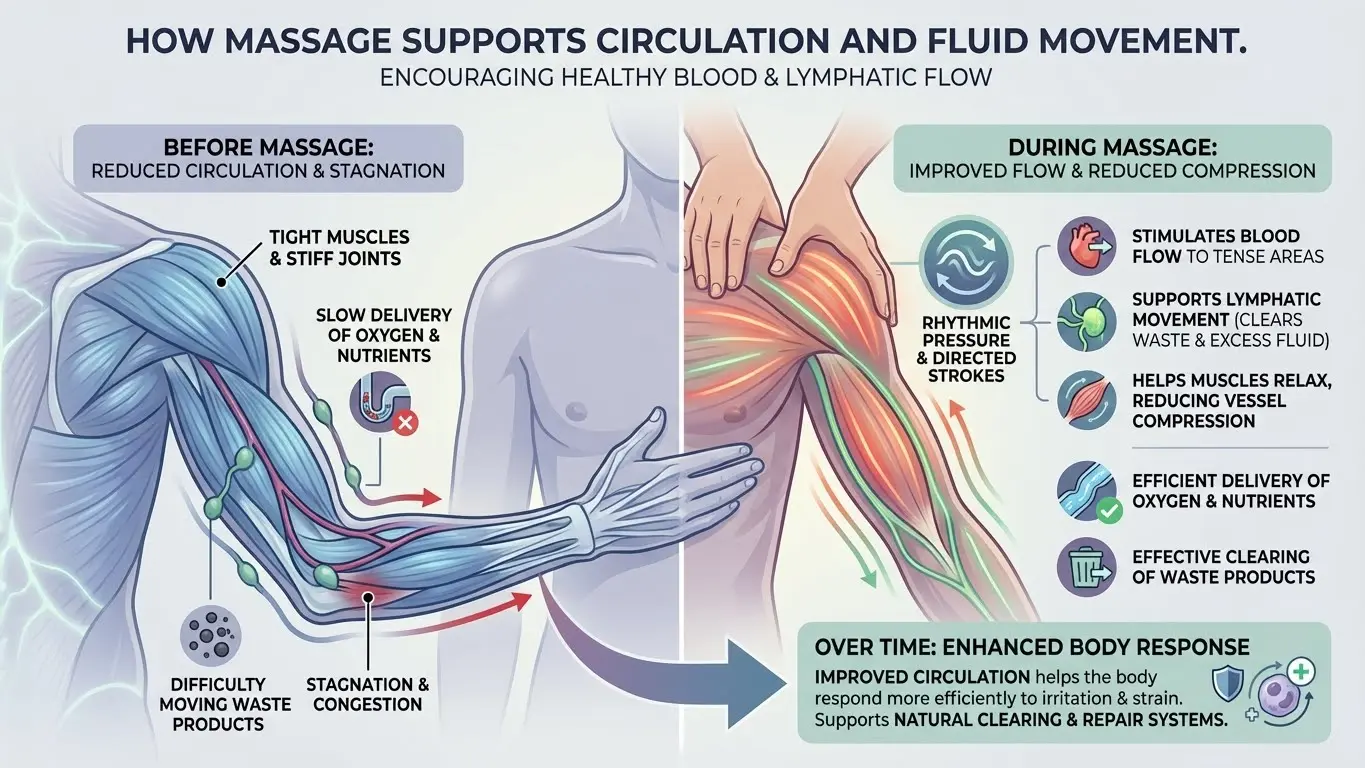
One of the primary ways massage can help with inflammation is by encouraging healthy blood and lymphatic flow. When muscles are tight or joints are stiff, circulation may be reduced in those regions. This can slow down the delivery of oxygen and nutrients needed for healing, and make it harder for the body to move waste products out of the tissues.
Through rhythmic pressure and carefully directed strokes, massage:
- Stimulates blood flow to tense or overworked areas
- Supports lymphatic movement, which helps clear cellular waste and excess fluid
- Reduces areas of stagnation where tissues feel heavy or congested
- Helps tight muscles relax so vessels are less compressed
Over time, this improved circulation can help the body respond more efficiently to irritation and strain. While massage is not a “detox” in the trendy sense, it does support the body’s natural clearing and repair systems so they can do their job more effectively.
How Massage Helps Prevent Chronic Swelling
When areas of the body experience repeated stress, poor posture, or overuse, low-grade inflammation can become part of the landscape. Tissues may hold extra fluid, feel thick or puffy, and move with less ease. Left unaddressed, this can contribute to chronic discomfort and reduced mobility.
Massage techniques help interrupt that pattern. By releasing tight muscle fibers, gently mobilizing soft tissue, and encouraging fluid movement, massage may:
- Reduce mild swelling related to tension or inactivity
- Limit the buildup of inflammatory byproducts in overused areas
- Support healthier tissue texture and flexibility
- Lower the risk that minor irritation becomes a chronic issue
For some people, especially those who sit for long periods or repeat the same movements at work, this kind of maintenance can make the difference between feeling generally “puffy and sore” and feeling relatively light and mobile.
The Nervous System Connection
Inflammation is not only a tissue-level process; it’s closely tied to the nervous system and stress response. When the body feels threatened or overloaded, the nervous system can amplify pain signals and keep muscles in a guarded, tight state. This constant tension may fuel ongoing inflammation.
Therapeutic massage sends calming input through the skin and muscles back to the brain. When performed with intention and awareness, it helps shift the body from a fight-or-flight state toward a more regulated, rest-and-digest mode. This shift may:
- Decrease overall muscle guarding and tightness
- Reduce the intensity of pain signals
- Support more regular breathing and heart rate
- Help the immune system function in a more balanced way
While this does not “turn off” inflammation by itself, a calmer nervous system tends to respond more appropriately, rather than constantly amplifying discomfort.
Chronic Tension, Joint Pain, and Inflammation
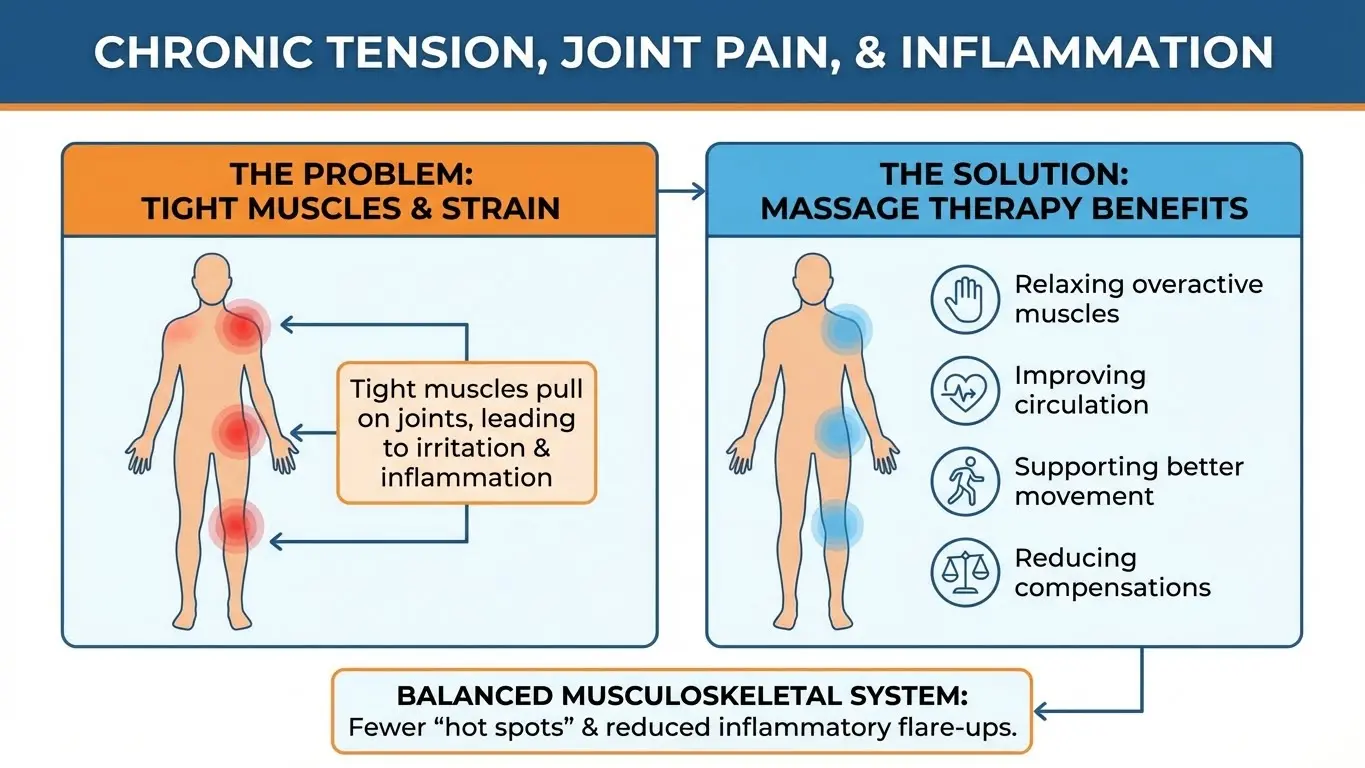
Tight muscles often pull on the structures around them, including joints. Over time, this can change how a joint tracks or bears weight, leading to irritation, strain, and, in some cases, inflammation around that joint.
People dealing with joint pain frequently notice that regular massage helps reduce muscle tension around the joint, which may in turn ease pressure and improve range of motion.
Massage therapy may help by:
- Relaxing overactive muscles that are compressing or pulling on the joint
- Improving circulation to the surrounding tissues
- Supporting better movement patterns in the hip, knee, shoulder, or spine
- Reducing compensations that can spread strain from one area to another
A more balanced musculoskeletal system has fewer “hot spots” where stress accumulates, which may help reduce inflammatory flare-ups related to posture and movement.
Massage, Stress, and Inflammatory Load
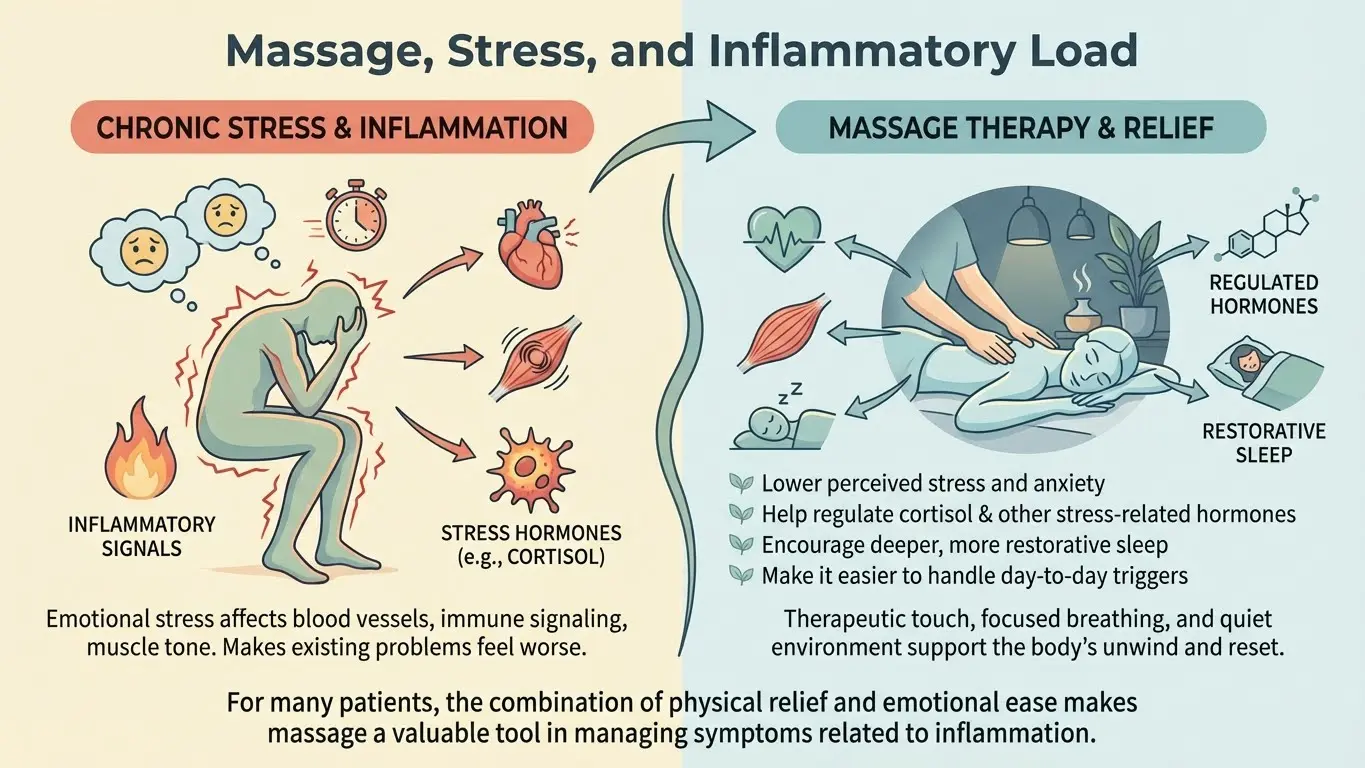
Inflammation is influenced not just by physical strain but also by emotional stress. The body’s stress hormones affect blood vessels, immune signaling, and muscle tone. Over time, chronic stress can make existing inflammatory problems feel worse and harder to manage.
Massage therapy helps counter this by supporting the body’s ability to unwind and reset. The steady rhythm of therapeutic touch, combined with focused breathing and a quiet environment, may:
- Lower perceived stress and anxiety
- Help regulate cortisol and other stress-related hormones
- Encourage deeper, more restorative sleep
- Make it easier for the body to handle day-to-day triggers
For many patients, the combination of physical relief and emotional ease is what makes massage such a valuable tool in managing symptoms related to inflammation.
Blending Acupressure and Massage Techniques
Some therapies combine traditional massage with acupressure, using specific points along the body’s meridians to support circulation, relaxation, and whole-body balance.
When acupressure is integrated into a massage session, potential benefits may include:
- Deeper relaxation in stubborn or hard-to-release areas
- Improved awareness of how different parts of the body connect
- Support for energy and mood, especially in those feeling run down
- A sense of “lightness” or reduced heaviness in areas that tend to swell
Many clients report that this blended approach helps them feel both physically looser and more internally balanced after a session, which can be especially valuable when working with chronic or recurring inflammation.
Soft Tissue Work as Preventive Maintenance
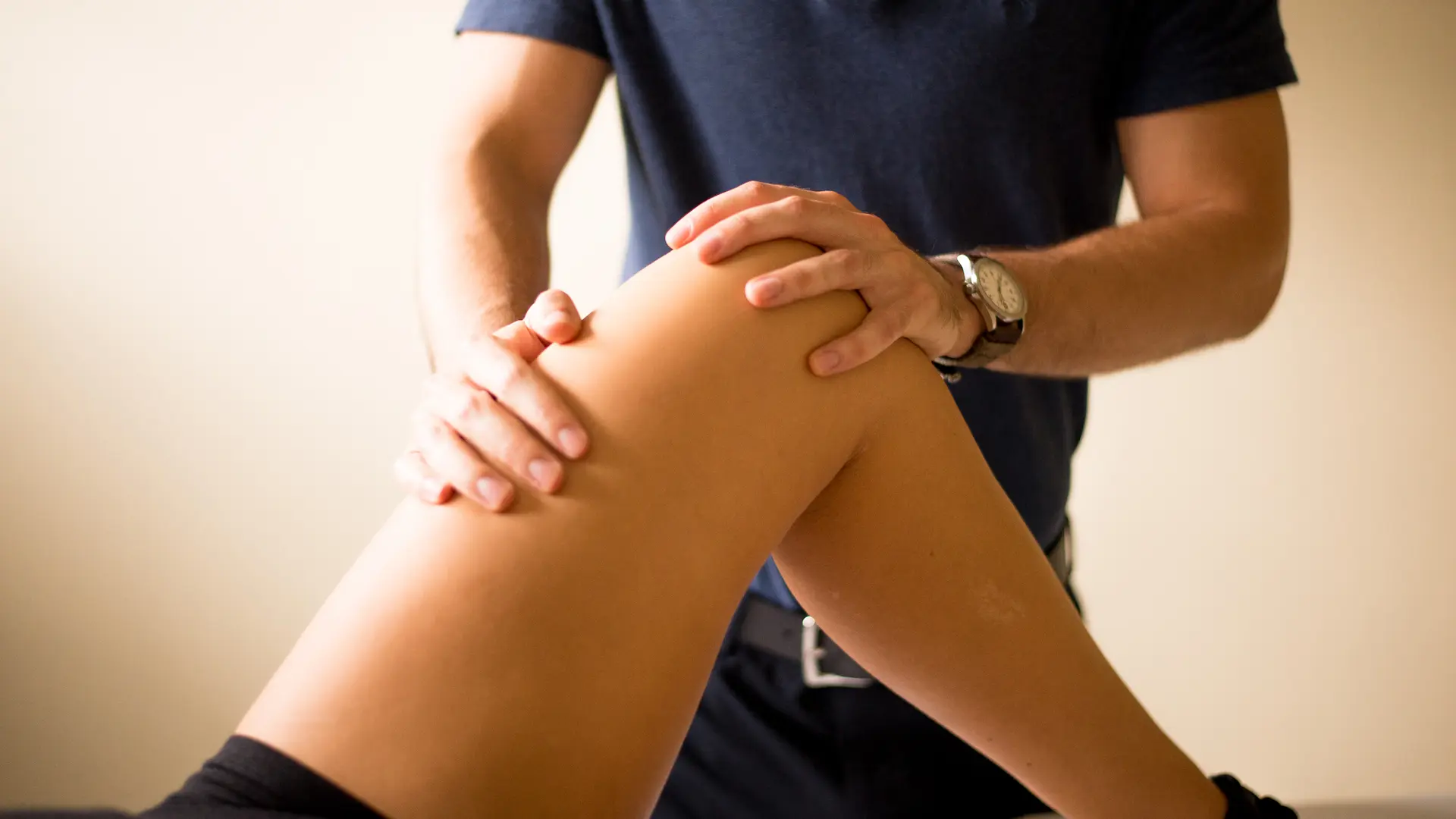
Medical massage can be viewed as maintenance for the muscular and fascial systems. Just as you might schedule regular tune-ups for your car to prevent breakdowns, massage helps keep tissues moving well so small issues are addressed before they grow.
Regular soft tissue work may:
- Prevent mild stiffness from turning into persistent pain
- Support joint health by keeping surrounding muscles supple
- Reduce the frequency of tension-related headaches or back pain
- Help you stay active with fewer inflammatory flares from overuse
For those managing chronic inflammatory conditions under medical care, massage becomes one more supportive tool in an overall strategy aimed at staying as functional and comfortable as possible.
Inflammation and Sedentary Lifestyles
Long hours of sitting, whether at a desk, in the car, or on the couch, are a common driver of low-grade inflammation. Limited movement can lead to sluggish circulation, swelling in the legs and feet, and stiffness in the hips and lower back.
Massage helps counteract the effects of sitting by:
- Stimulating blood and lymphatic flow in the lower body
- Releasing tight hip flexors, hamstrings, and lower back muscles
- Encouraging more upright posture and easier movement
- Helping the body feel more willing to move instead of staying in one position
Paired with simple movement breaks and stretching, massage can be an effective way to keep a sedentary lifestyle from turning into another source of inflammation.
Targeted Support for Athletes and Active Lifestyles
On the other end of the spectrum, athletes and very active individuals often face inflammation related to overuse, repetitive motion, and micro-injuries from training. While some inflammation is part of normal adaptation, too much can slow recovery and increase injury risk.
Sports-focused massage techniques can:
- Release tight muscle groups that are working overtime
- Support recovery between practices, games, or workouts
- Help identify areas of compensation before they cause pain
- Reduce the likelihood that small strains turn into chronic inflammatory problems
For runners, lifters, weekend warriors, and recreational athletes on Long Island, this kind of targeted support can help them stay active longer and with fewer setbacks.
Gentle Techniques for Sensitive or Chronically Inflamed Tissues
Not all massage work for inflammation needs to be deep or intense. In fact, for people with highly sensitive tissues, autoimmune conditions, or chronic pain, lighter methods are often more appropriate.
Gentle, rhythmic strokes and light lymphatic-focused work can:
- Move fluid without compressing irritated areas
- Calm the nervous system without triggering a pain response
- Support circulation in fragile or easily aggravated tissues
- Provide relief for those who cannot tolerate heavy pressure
This softer approach still supports inflammation management; it simply does so in a way that respects the body’s current limits.
Working with a Skilled Practitioner
Because inflammation can be complex, it is important to work with a therapist who understands how to adapt techniques to your condition and comfort level. This is especially true if you are living with arthritis, autoimmune disease, or other medical concerns.
A skilled practitioner will:
- Ask about your medical history, medications, and current symptoms
- Adjust pressure and technique based on how your body responds
- Avoid aggressive work over actively inflamed or unstable areas
- Encourage open communication throughout the session
This partnership ensures that massage remains supportive, not stressful, for your tissues and nervous system.
Massage as Ongoing Support, Not Just a Luxury
For individuals managing inflammatory issues, massage is less about “pampering” and more about practical maintenance. The real value often comes from consistent, well-paced sessions that help the body stay more balanced over time.
Many people find that a series of moderate, inflammation-sensitive treatments provides more benefit than an occasional, very intense massage. Frequency can be tailored to your needs, your schedule, and what your body can comfortably handle.
How We Support Inflammation Management at Messina Acupuncture
At Messina Acupuncture in East Setauket, we view massage as a meaningful way to support patients who are dealing with pain, stiffness, and inflammation-related discomfort. Our approach is careful, collaborative, and grounded in your real-world experience.
We use medical massage, acupressure, and acupuncture to:
- Support circulation without overwhelming sensitive tissues
- Reduce tension that contributes to joint and muscle pain
- Help regulate the stress response and promote deeper rest
- Complement the medical care you are already receiving
Our founder, Daniel Messina, built this practice on his own journey through orthopedic pain and recovery. That experience shapes how we listen, how we treat, and how we advocate for each patient’s comfort and function.
If you’re curious about how massage for inflammation might fit into your care plan, we invite you to contact us. We are happy to answer questions, discuss your goals, and help you decide whether inflammation-focused massage therapy is a good next step.
Frequently Asked Questions (FAQ)
Can massage cure inflammation?
No. Massage does not cure inflammatory diseases, but it can help manage symptoms such as stiffness, mild swelling related to tension, and muscle pain. It is best used as a complement to medical care, not a replacement.
Is massage safe if I have an inflammatory condition like arthritis or an autoimmune disease?
In many cases, yes — especially when the therapist tailors pressure and technique to your needs. It is important to discuss your diagnosis with both your healthcare provider and your massage therapist so your sessions can be planned safely.
What kind of massage is best for inflammation?
Gentle, inflammation-sensitive techniques that focus on circulation, relaxation, and soft tissue balance are often best. Deep, aggressive work over actively inflamed areas is usually not recommended.
How often should I get massage for inflammation support?
Frequency depends on your symptoms, lifestyle, and medical advice. Some people benefit from weekly sessions during flare-prone periods, while others maintain results with biweekly or monthly visits.
Do I need a referral from my doctor?
A referral is not always required, but if you have a diagnosed inflammatory or autoimmune condition, it is helpful to keep your healthcare provider informed so all aspects of your care work together.