

Acupuncture Safety in East Setauket, NY
If needles make you nervous, asking about safety before scheduling acupuncture is completely reasonable. Acupuncture is generally considered a relatively safe procedure when appropriately performed by a qualified practitioner, but “safe” does not mean risk-free. Understanding training, sterile needle standards, medical screening, common reactions and rare complications can help you make a more informed decision.
Is Acupuncture Safe?
Acupuncture has a generally favorable safety profile when performed appropriately by a trained practitioner using sterile, single-use needles.
Most reported adverse events are minor, such as brief soreness, small bruises, minor bleeding, tiredness or dizziness.
Serious complications are rare, but they can include pneumothorax, infection, nerve injury, organ injury and needle breakage. Appropriate training, anatomical knowledge, screening and technique are therefore important.
How Rare Are Serious Acupuncture Complications?
Large safety studies and reviews consistently suggest that serious adverse events occur much less frequently than minor reactions.
Rare Risk Still Deserves Honest Discussion
A 2024 review of acupuncture safety estimated serious acupuncture-related adverse events at approximately 0.04 to 0.08 per 10,000 treatments.
The important rare complications described in the literature include pneumothorax, central and peripheral nerve injury, cardiac or abdominal organ injury, infection and needle breakage.
The review identified factors such as excessive needle depth, incorrect location, improper manipulation and infection-control problems among contributors to serious adverse events.
We Would Not Compare This Risk to Driving on Nicolls Road
Risk comparisons only help when two numbers measure comparable exposures and outcomes.
The probability of a traffic injury on one particular road cannot meaningfully be compared with an acupuncture adverse-event rate from clinical studies.
The more useful information is straightforward: serious acupuncture complications are uncommon, but patients should understand what they are and how appropriate professional practice reduces avoidable risk.
What Are the Most Common Minor Side Effects?
The most frequently reported effects are much less serious than pneumothorax or infection.
Mild Soreness
A treated point or muscle may feel temporarily tender after the needle is removed.
Small Bruise or Minor Bleeding
A needle can occasionally contact a small blood vessel, producing a small bruise or tiny amount of bleeding.
Dizziness or Faintness
Some patients can experience a vasovagal response involving light-headedness, sweating, nausea or faintness.
Temporary Tiredness
Tiredness is among the reported minor reactions. It does not prove that the body is detoxing or has entered a specific physiological state.
We cover these reactions in much more detail, including what is usually mild and what warrants medical attention, in our acupuncture side effects and safety guide .
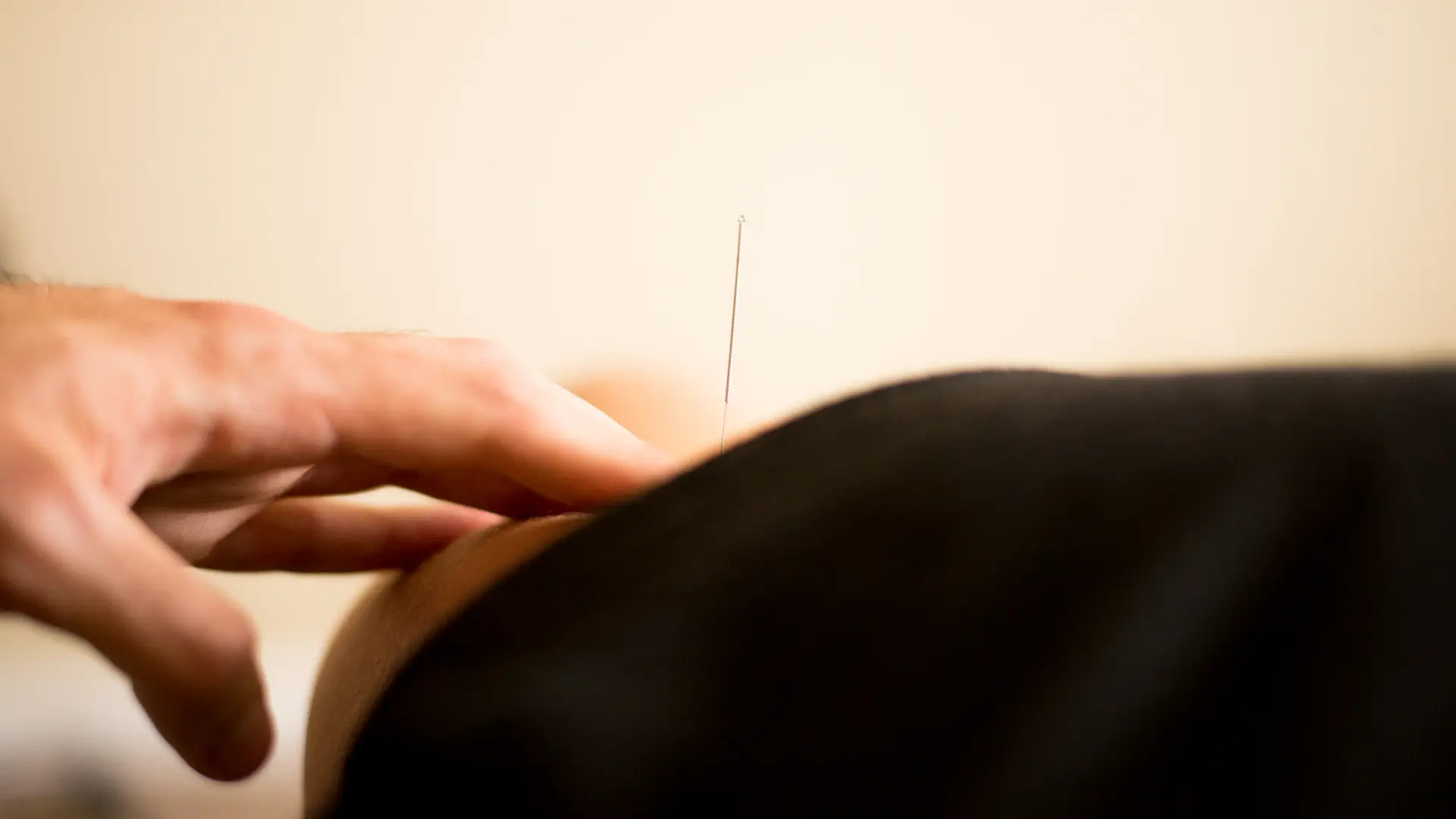
Are Acupuncture Needles Sterile?
Acupuncture needles marketed for routine use in the United States are regulated by the FDA as Class II medical devices.
NCCIH notes that the FDA requires acupuncture needles to be sterile and labeled for single use. A needle used for one patient should not be cleaned and used again on another patient or saved for a future appointment.
Messina Acupuncture PC uses sterile, single-use acupuncture needles that are disposed of after treatment in an appropriate sharps container.
View the FDA classification for single-use acupuncture needles
Single-Use Needles Reduce Risk, but Do Not Make Infection Impossible
Sterile, disposable needles are a major infection-control safeguard. Proper hand hygiene, appropriate skin preparation, clean equipment handling and clinical judgment also matter.
NCCIH specifically notes that serious infections have occurred when acupuncture was improperly delivered. No procedure that penetrates the skin should be advertised as having absolutely zero infection risk.
How Much Training Does a New York Acupuncturist Need?
Acupuncture Is a State-Licensed Healthcare Profession
New York State requires a person using the title Licensed Acupuncturist, or L.Ac., to meet the state’s education, examination and licensure requirements.
Professional acupuncture education must come from a New York-registered licensure-qualifying program, an appropriately accredited program accepted by the state, or an equivalent program meeting state requirements.
For education evaluated as an equivalent program, New York specifies a minimum educational structure of 4,050 hours of classroom instruction, supervised clinical experience and required study assignments. Within that structure are at least 600 classroom hours of acupuncture instruction and 650 hours of supervised clinical acupuncture experience.
The required curriculum includes areas such as anatomy, physiology, pathology, acupuncture technique, sterilization and precautions, contraindications, treatment of emergencies and when to refer patients to other healthcare professionals.
Can You Verify an Acupuncturist’s License?
Yes, and patients should feel comfortable doing so.
The New York State Education Department’s Office of the Professions provides an online license-verification system for regulated professionals. Consumers also have the right to know the name and professional title of the licensed professional providing their care.
Visit the New York State acupuncture licensing portal
Why Your Medical History Is Part of Acupuncture Safety
Safety is not only about where a needle is placed. The practitioner also needs to know who is receiving the treatment.
Medication, pregnancy, previous surgery, implanted devices, bleeding disorders, infection risk, fainting history and other medical conditions can affect treatment planning.
Tell Your Practitioner If You Are Pregnant
Pregnancy does not automatically make acupuncture unsafe. A systematic review found relatively few acupuncture-related adverse events when treatment was correctly applied.
Pregnancy still changes clinical decision-making. Point selection, positioning, treatment technique and the condition being addressed should all be considered appropriately.
We would not rely on a universal internet list of “forbidden acupuncture points” as the entire pregnancy safety protocol.
Manual Acupuncture and Electroacupuncture Are Different
Tell your practitioner if you have a pacemaker, implanted defibrillator, neurostimulator or another implanted electronic device.
This is especially important before electroacupuncture, because electrical current is applied through selected needles.
Mayo Clinic notes that electrical stimulation through acupuncture needles may potentially interfere with a pacemaker.
Anticoagulants May Change Bruising and Bleeding Risk
A systematic review involving anticoagulated patients suggested acupuncture can often be performed safely when appropriate location and needle depth are used.
Minor bleeding and bruising can still occur. Tell the practitioner about warfarin, apixaban, rivaroxaban, heparin, antiplatelet medication or another medication affecting clotting.
Do not stop a prescribed blood thinner because you are having acupuncture unless the clinician managing that medication specifically tells you to.
Previous Needle Reactions Matter
Tell the practitioner if you have fainted during blood draws, injections or previous acupuncture.
Treatment position, number of needles and other aspects of the session can be adjusted when vasovagal reactions or significant needle anxiety are a concern.
Recent Procedures Should Be Disclosed
Recent surgery, wounds, implants, post-operative restrictions and surgical complications may affect where and whether needling is appropriate.
Acupuncture should not override restrictions from the surgeon or rehabilitation team.
Skin and Systemic Infection Matter
Active skin infection, significant redness, draining wounds, fever or another infection concern should be discussed before treatment.
Needles should not simply be placed through an infected area.
Is Acupuncture Safe for Children and Teenagers?
Acupuncture can be used in pediatric populations, but age alone is not enough to answer whether it is appropriate for a particular child or teenager.
The condition, age and development, comfort with needles, ability to remain still, medical history, parental or guardian consent and availability of other appropriate treatment should all be considered.
For young athletes, significant trauma, persistent weakness, focal bone pain, worsening symptoms or suspected structural injury deserves appropriate medical evaluation.
Is Dry Needling Safer or Riskier Than Acupuncture?
It is not useful to declare one technique universally safer than the other.
Dry needling generally focuses on myofascial trigger points and local muscle tissue, while acupuncture may involve local and distal point selection depending on the treatment approach.
Either technique can involve deeper or more superficial needling depending on the anatomical target. Safety depends on location, depth, direction, patient factors, practitioner training and technique.
Acupuncture Is Not Always “Shallow and Gentle”
The previous version described dry needling as an aggressive deep technique while portraying acupuncture as generally shallow.
That oversimplifies both. Acupuncture depth varies substantially by point, anatomy, technique and clinical goal.
What matters most is appropriate anatomical knowledge and technique for the area being treated.
What Should a Safe Acupuncture Visit Include?
A Real Health History
The practitioner should ask about the condition bringing you in, relevant diagnoses, medications, surgeries, pregnancy, bleeding concerns, implanted devices and other factors affecting treatment.
An Explanation of the Treatment
You should understand what is being recommended, which type of needling is being used and what common reactions or relevant risks have been discussed.
Sterile, Single-Use Needles
Acupuncture needles should be sterile and intended for one use. Used needles belong in an appropriate sharps-disposal container.
Appropriate Anatomical Technique
Needle depth and direction should reflect the anatomy of the treatment area and the individual patient.
Reassessment and Referral When Needed
A responsible practitioner should recognize when symptoms warrant medical evaluation, imaging, physical therapy, orthopedics, emergency care or another healthcare pathway.
How to Choose an Acupuncture Practice Safely
Verify Licensure
Confirm the practitioner holds the license or authorization required to provide acupuncture in New York.
Ask About Single-Use Needles
A clinic should be able to answer clearly that its acupuncture needles are sterile and single use.
Expect Health Questions
Medication, pregnancy, implants, recent procedures and relevant medical history should not be ignored.
You Should Be Able to Ask Questions
Patients should receive understandable explanations of what is being done and why it is being recommended.
Should Acupuncture Be Compared Directly With NSAIDs?
Not with a simple “acupuncture is safer” comparison table.
Acupuncture and medications have different benefits, indications, adverse-effect profiles and levels of evidence depending on the condition being treated.
NSAIDs can carry gastrointestinal, kidney, cardiovascular and other risks, particularly with certain patients, doses and durations. Acupuncture has a different set of risks, including needling-related complications.
Those risks are not directly interchangeable percentages. A patient should not stop an appropriately prescribed medication because an acupuncture article describes one treatment as safer.
When Acupuncture Should Not Be Your First Stop
Some Symptoms Need a Different Level of Care
Acupuncture should not delay appropriate emergency, medical or orthopedic evaluation.
- Chest pain or difficulty breathing.
- Signs of stroke, including sudden facial droop, weakness, speech difficulty or another major neurological change.
- Major trauma with deformity or inability to use the injured limb.
- Sudden severe weakness or progressive numbness.
- Loss of bowel or bladder control with new back or neurological symptoms.
- Fever with increasing redness, swelling, warmth or another sign of significant infection.
- Suspected fracture, tendon rupture or serious joint injury.
- A new or unusually severe headache with neurological symptoms.
What If Something Feels Wrong After Acupuncture?
Minor tenderness, small bruises or brief tiredness can occur. More concerning symptoms should not be dismissed as a “healing crisis,” detox reaction or proof that treatment is working.
New chest pain, shortness of breath, difficulty breathing, severe progressive weakness, significant neurological symptoms or signs of infection deserve prompt medical evaluation.
Safety at Messina Acupuncture PC
Messina Acupuncture PC is an orthopedic-focused acupuncture practice in East Setauket serving Stony Brook, Port Jefferson, Three Village and communities throughout Long Island’s North Shore.
Care is led by Daniel Messina, MSOM, L.Ac., a New York State Licensed Acupuncturist and NCCAOM Board-Certified Diplomate. The practice has served the local community since 2016.
Messina Acupuncture PC uses sterile, single-use acupuncture needles and takes an evaluation-first approach to determining whether acupuncture, dry needling, acupressure, medical massage or another care pathway fits the patient’s presentation.
You can also meet the Messina Acupuncture team .
Frequently Asked Questions About Acupuncture Safety
Is acupuncture generally safe?
Acupuncture is generally considered relatively safe when appropriately performed by a qualified practitioner using sterile, single-use needles. Most reported adverse effects are minor, while serious complications are rare but possible.
What are the most common acupuncture side effects?
Common minor reactions can include temporary needle-site soreness, small bruises, minor bleeding, tiredness, dizziness or vasovagal symptoms.
What are the serious risks of acupuncture?
Rare serious complications reported in the medical literature include pneumothorax, infection, nerve injury, organ injury and needle breakage. Appropriate depth, location, technique and infection control are important risk-reduction measures.
Are acupuncture needles sterile?
Acupuncture needles marketed for routine use in the United States are regulated medical devices and are required to be sterile and labeled for single use. Messina Acupuncture PC uses sterile, single-use needles.
Is acupuncture safe during pregnancy?
Research suggests acupuncture during pregnancy is associated with relatively few adverse events when correctly performed. Pregnancy should always be disclosed so treatment, point selection, positioning and the clinical indication can be considered appropriately.
Is acupuncture safe if I have a pacemaker?
Tell the practitioner about any pacemaker or implanted electronic device. This is especially important for electroacupuncture, because electrical stimulation applied through the needles may potentially interfere with a pacemaker.
Is acupuncture safe while taking blood thinners?
Research suggests acupuncture can often be performed safely in anticoagulated patients when appropriate needling location and depth are used, although bruising and minor bleeding can occur. Tell the practitioner what you take and do not stop prescribed medication without medical guidance.
How do I know if an acupuncturist is licensed in New York?
The New York State Education Department Office of the Professions provides an online professional license-verification system. Patients can use it to verify the credentials of a New York Licensed Acupuncturist.
Is dry needling more dangerous than acupuncture?
Neither technique can be declared universally safer. Safety depends on the anatomical area, needle depth and direction, patient factors, practitioner training and technique.
Have a Safety Question Before Your First Visit?
If you are considering acupuncture and have questions about medications, pregnancy, blood thinners, implanted devices, a recent procedure, needle anxiety or another medical concern, contact Messina Acupuncture PC before your appointment.
Sources and Further Reading
- National Center for Complementary and Integrative Health: Acupuncture Effectiveness and Safety
- 2024 Review: Acupuncture Safety, Adverse Events and Risk Prevention
- U.S. Food and Drug Administration: Single-Use Acupuncture Needle Classification
- New York State Education Department: Acupuncture License Requirements
- New York State Education Department: Acupuncture Licensing and License Verification
- Mayo Clinic: Acupuncture Risks and Special Precautions
- Systematic Review: Acupuncture Safety in Patients Receiving Anticoagulants
- Systematic Review: Acupuncture Safety During Pregnancy