
Acupuncture · Arthritis · East Setauket, NY
Arthritis pain can make stairs, gardening, and even opening a jar feel like negotiations. Many people look for options beyond daily painkillers. Acupuncture will not cure arthritis or rebuild a joint, but research suggests it may reduce pain and improve function as part of a broader plan.
She has gardened the same Setauket yard for 30 years, and for the last three her knees have decided how long she can stay out there. She takes an anti-inflammatory most days and does not love the idea. Her rheumatologist said acupuncture is reasonable to try, and she wants to know what the evidence actually says.
That is exactly the right question. At Messina Acupuncture we treat arthritis pain as a management problem, not a cure story. Here is the honest picture.
- What it may do: reduce pain and improve joint function. The strongest evidence is for knee osteoarthritis.
- What it cannot do: cure arthritis, reverse joint damage, or replace your rheumatologist’s plan.
- Key trial: Berman et al. (2004), with 570 patients, found true acupuncture improved pain and function more than sham or education over 26 weeks.
- How it may work: by encouraging endorphin release and modulating pain signaling; the traditional framework describes it as balancing energy flow.
- Safety: low-risk with a licensed practitioner. Tell us about blood thinners, joint replacements, and any active infections.
How Acupuncture May Ease Arthritis Pain
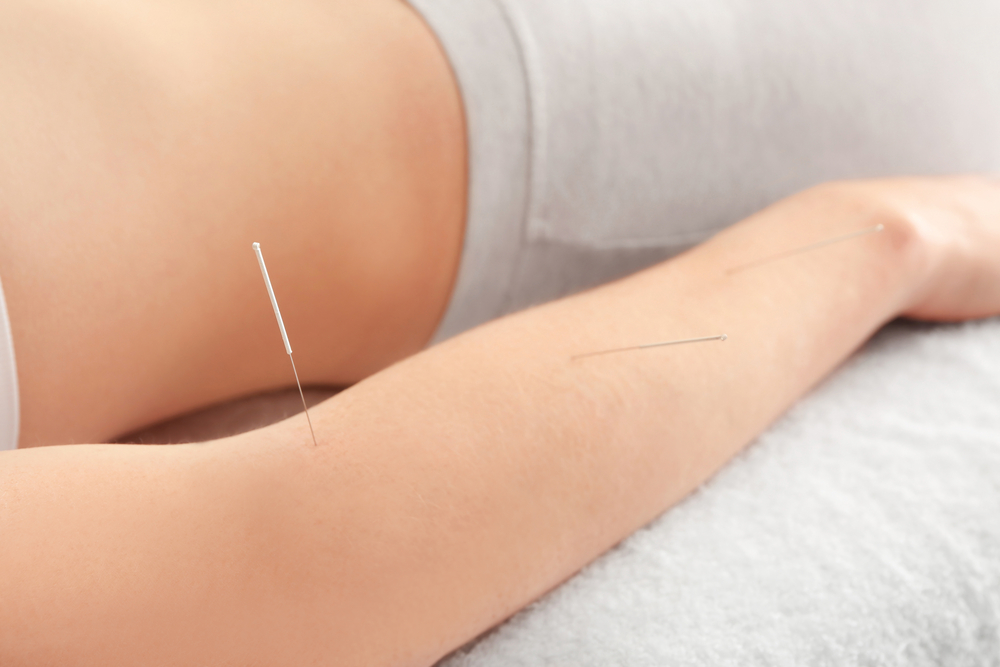
Acupuncture involves inserting thin, sterile needles at specific points on the body. In Western terms, it is thought to help reduce arthritis pain by stimulating nerves and muscles and encouraging the body to release natural pain-relieving chemicals such as endorphins and serotonin.
Traditional Chinese medicine explains it differently: the body circulates energy (Qi) along pathways called meridians, and pain and illness reflect blockages or imbalances in that flow. Inserting needles at precise points is said to restore balance. Whichever framework you prefer, acupuncture is a low-risk option worth considering for joint pain when done by a licensed professional.
What the Research Shows
The most rigorous trial of acupuncture for arthritis was published in 2004 by Berman and colleagues in the Annals of Internal Medicine. It enrolled 570 patients with osteoarthritis of the knee and randomized them to true acupuncture (23 sessions over 26 weeks), sham acupuncture, or education sessions alone.
At the end of 26 weeks, the true acupuncture group had greater improvement in pain and physical function scores than both control groups. Patients also showed better outcomes on several secondary measures, including the patient global assessment. The findings supported acupuncture as an effective adjunctive therapy: that is, added to conventional care, not replacing it.
Two honest caveats. The benefits were modest rather than dramatic, and not everyone responds. And acupuncture does not change joint structure: it manages pain and function, which for many people is exactly what matters most.
What to Expect During a Session
Your practitioner begins with a detailed intake about your symptoms, medical history, and current medications. Depending on your specific condition, needles may be placed near the painful joint, at distal points on the hands and feet, or a combination. The needles are hair-thin, and most people feel little more than a brief prick, if anything.
Sessions typically last 45 to 60 minutes. Many patients feel deeply relaxed during treatment and notice reduced pain or easier movement afterward. Some need a few sessions before the benefit becomes clear.
Building Acupuncture Into Your Arthritis Plan
Acupuncture works best as part of a complete approach. Medication prescribed by your rheumatologist or primary care doctor, appropriate exercise, physical therapy, and weight management all remain central. Acupuncture slots in alongside them as a pain-management tool.
A realistic timeline is 8 to 12 sessions before judging the full effect. Track function, not just pain: stairs, walking distance, getting up from a chair. Those are the measures that tell you whether the investment is paying off. Keep your prescribing doctor informed throughout.
The evidence: modest but real benefit for knee osteoarthritis
The most rigorous trial (Berman et al., Annals of Internal Medicine, 2004; 570 patients with knee osteoarthritis) found that 23 acupuncture sessions over 26 weeks improved pain and function more than sham acupuncture or education sessions. The effects were modest and adjunctive: acupuncture added to conventional care, not replacing it. Evidence for other arthritis types, such as rheumatoid arthritis or hand osteoarthritis, is thinner, which is why honest goal-setting at the first visit matters.
What to Expect at Messina Acupuncture
Assessment and first treatment (60 to 75 minutes)
We review your arthritis history, medications, and affected joints, assess movement and pain patterns, and perform your first acupuncture treatment matched to your condition.
Follow-up sessions (30 to 45 minutes)
A typical starting course is 8 to 12 visits. We track pain scores and functional measures and adjust point selection as your response becomes clear.
After each visit
Many patients feel relaxed and notice easier movement for a day or more. Keep your rheumatologist or primary care doctor in the loop, and tell us about any medication changes.
Licensed and coordinated care. Before booking needling or acupuncture anywhere, confirm three things: the practitioner is licensed in New York State, they use single-use sterile needles, and they will communicate with your physician or physical therapist if needed. Messina Acupuncture meets all three, and we coordinate with your physician, physical therapist, or other providers as needed.
Coordinate with your rheumatologist before starting if you have rheumatoid arthritis with active flares, since acupuncture does not replace disease-modifying drugs or biologics. Tell us if you take blood thinners or anticoagulants, have a joint prosthesis, or have a skin infection over the area to be treated. Seek prompt medical care for a hot, swollen, red joint with fever, which may indicate infection rather than a routine arthritis flare.
Frequently Asked Questions
Does acupuncture cure arthritis?
No. Acupuncture can help manage pain and improve function, but it does not reverse joint damage or cure arthritis of any type.
How many sessions will I need for arthritis?
The landmark trial used about 23 sessions over 26 weeks. Many patients start feeling change within 6 to 8 sessions; we reassess regularly and set honest goals.
Is acupuncture safe with arthritis medications?
Generally yes. Tell us about blood thinners, biologics, and steroids so we can plan safely, and keep your prescribing doctor informed.
Does acupuncture hurt?
The needles are hair-thin. Most people feel little more than a brief prick, and many feel deeply relaxed during the session.
Which types of arthritis does it help most?
The best evidence is for knee osteoarthritis. It may help other musculoskeletal pain, but rheumatoid arthritis always needs medical co-management.
Can acupuncture reduce my need for painkillers?
Some patients report using less pain medication, but never change your prescriptions without talking to your prescriber first.
Move Easier With Arthritis?
If arthritis is shrinking your world, one joint at a time, acupuncture may help you reclaim some of it. Dr. Daniel Messina will assess your joints, review your medical plan, and tell you honestly whether acupuncture fits.
Messina Acupuncture PC
100 N Country Road, East Setauket, NY 11733
Sources and Further Reading
- Berman BM et al. Effectiveness of acupuncture as adjunctive therapy in osteoarthritis of the knee: a randomized, controlled trial. Annals of Internal Medicine, 2004;141:901-910.
- National Center for Complementary and Integrative Health: Acupuncture effectiveness and safety.
- New York State Office of the Professions: Acupuncture consumer information.