

Acupuncture is one of the oldest continuously practiced healing methods in the world. Originating within the framework of Traditional Chinese Medicine (TCM), it has been used for thousands of years to address pain, regulate physiological function, and support whole-body health. Today, it is recognized globally — including within major hospital systems — as a clinically effective, evidence-supported therapy for a wide range of conditions.
At Messina Acupuncture in East Setauket, we utilize acupuncture as part of a comprehensive, patient-centered clinical approach. For individuals seeking a non-pharmaceutical, minimally invasive therapy with measurable therapeutic effects, acupuncture can play an important role in restoring balance, reducing pain, and improving quality of life.
What Acupuncture Is: Foundations of Traditional Chinese Medicine
Acupuncture is based on the principle that the body’s physiological processes are regulated by the flow of Qi (pronounced “chee”) through a network of channels called meridians. When Qi becomes disrupted — due to stress, injury, overuse, emotional strain, poor sleep, illness, or other internal/external factors — symptoms such as pain, tightness, fatigue, digestive issues, and systemic imbalance may arise.
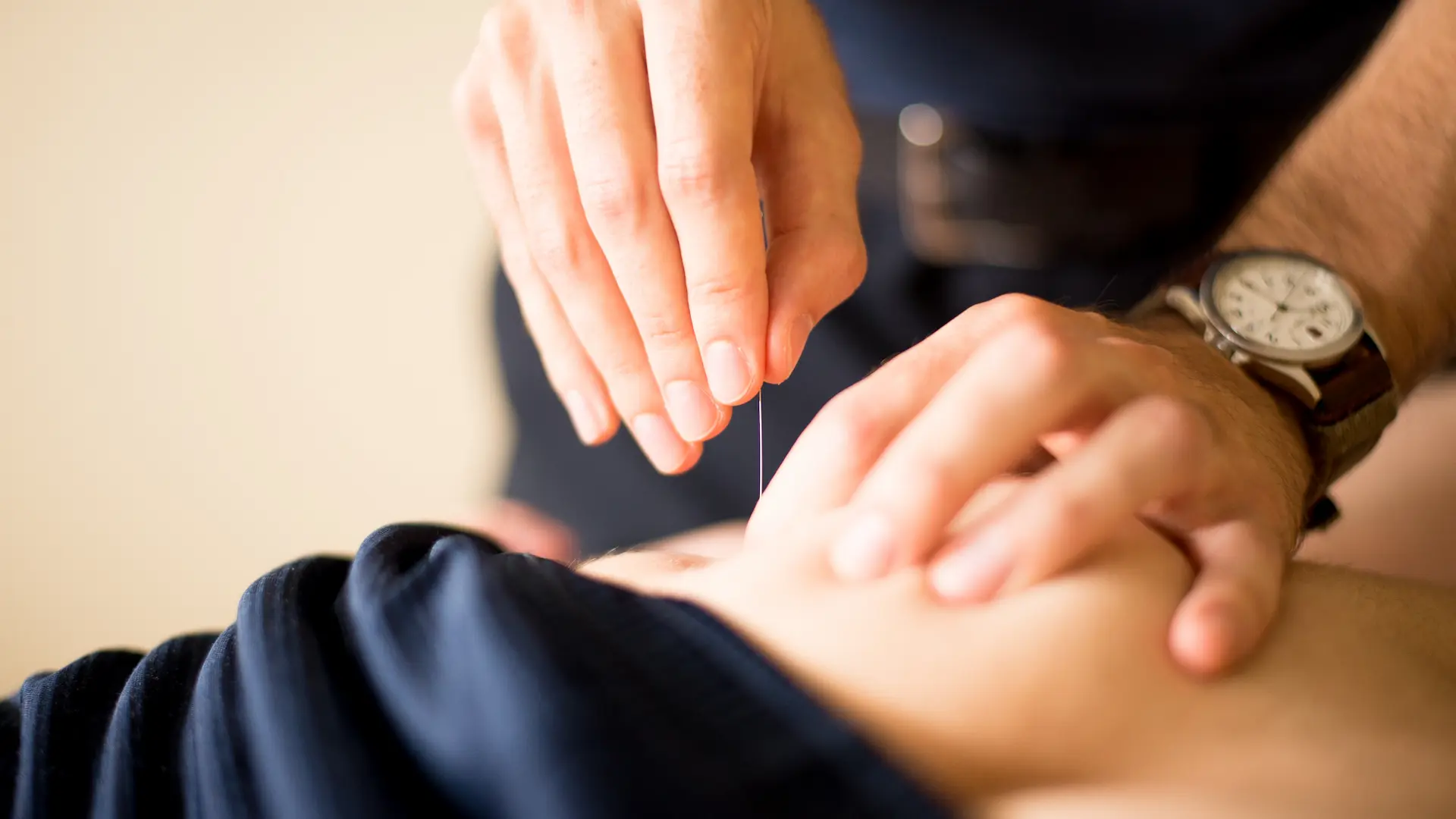
Acupuncture seeks to restore this balance by inserting extremely thin, sterile, single-use needles into points that influence circulation, muscle tension, nerve signaling, and organ function. These acupuncture points are located along meridians, which traditionally describe patterns of physiological interaction in the body.
The Modern Scientific Understanding of Acupuncture
While acupuncture originates from TCM, research has identified multiple physiological mechanisms through which acupuncture produces therapeutic effects. These include:
- Neuromodulation: Acupuncture stimulates sensory nerves, influencing the spinal cord and brainstem and altering pain signaling pathways.
- Endorphin release: Needle stimulation activates endogenous opioid systems that reduce pain perception.
- Autonomic regulation: Acupuncture modulates sympathetic and parasympathetic activity, helping regulate stress response, heart rate, digestion, and sleep.
- Circulation enhancement: Needling targeted points increases local microcirculation, oxygenation, and tissue repair.
- Musculoskeletal effects: Acupuncture reduces myofascial tension, decreases trigger point irritability, and improves joint mobility.
- Immune modulation: Studies show measurable changes in inflammatory markers and immune cell activity following acupuncture treatment.
These mechanisms explain why acupuncture is effective not only for pain conditions but also for stress, sleep disorders, and systemic imbalances.
Clinical Conditions Acupuncture Commonly Addresses
At Messina Acupuncture, acupuncture is frequently incorporated into treatment plans for patients presenting with:
- Musculoskeletal Pain: neck pain, low back pain, sciatica, shoulder pain, hip dysfunction, knee pain, plantar fasciitis
- Headaches and Neurological Conditions: migraines, tension headaches, trigeminal irritation, TMJ-related pain
- Stress and Autonomic Dysregulation: anxiety, irritability, burnout, difficulty focusing
- Sleep Disorders: difficulty falling asleep, frequent waking, poor sleep quality
- Digestive Disorders: IBS symptoms, reflux sensitivity, sluggish digestion
- Hormonal and Women’s Health: cycle irregularity, PMS-related tension
- Postural Tension & Overuse Syndromes: occupational strain, forward-head posture, repetitive stress injuries
Acupuncture is adaptable and can be customized based on each patient’s presentation, medical history, and functional goals.
What Happens During a Clinical Acupuncture Session
Before inserting any needles, a licensed acupuncturist performs a focused clinical evaluation, including:
- Review of your health history
- Discussion of your symptoms, onset, and aggravating factors
- Assessment of posture, muscle tension patterns, and movement mechanics
- Evaluation of sleep, digestion, stress, hydration, and lifestyle factors that influence recovery
Based on this assessment, the practitioner selects acupuncture points appropriate for your presentation. During the session, you may feel minimal sensation — often described as a light tap or subtle heaviness — but acupuncture should not be painful. Most patients feel calm and deeply relaxed during treatment.
A typical session lasts 30–45 minutes, depending on the condition being treated. Adjunctive therapies such as cupping, acupressure, gait/functional movement recommendations, or dry needling may also be included if clinically appropriate.
Why Acupuncture Supports Whole-Body Health
Unlike symptom-focused approaches, acupuncture views the body as an interconnected system. Pain, stress, digestive issues, and sleep disturbances rarely exist in isolation — they influence one another. By working through the nervous system and regulating internal processes, acupuncture supports:
- Improved systemic balance
- Reduced chronic inflammation
- Better autonomic regulation (stress response)
- Enhanced circulation and tissue repair
- More efficient neuromuscular function
Patients often report secondary improvements such as increased energy, clearer thinking, better mood regulation, and reduced baseline tension.
How Many Acupuncture Sessions Are Needed?
The number of recommended sessions depends on several factors:
- Severity and duration of the condition
- Whether symptoms are acute, chronic, or recurring
- Overall health, sleep quality, and stress levels
- How the body responds to the initial sessions
Acute conditions may respond within a small number of treatments. Chronic or long-standing conditions typically require a series of sessions to achieve stable, lasting improvement. During your initial visit, we will discuss a clear treatment plan based on your clinical findings.
Frequently Asked Questions (Clinical FAQ)
Is acupuncture safe?
Yes. When performed by a licensed professional using sterile, single-use needles, acupuncture is considered extremely safe with a very low risk profile.
What does acupuncture feel like?
Most patients describe sensations such as a light tap, mild pressure, warmth, or heaviness. Acupuncture should not feel sharp or uncomfortable.
Will acupuncture help my specific condition?
Acupuncture can support a wide range of musculoskeletal, neurological, and systemic conditions. During your first visit, we evaluate whether acupuncture is clinically appropriate for your symptoms.
Can acupuncture be combined with other therapies?
Yes. At Messina Acupuncture, acupuncture is often integrated with cupping, acupressure, stretching, dry needling, or lifestyle recommendations.
How quickly will I notice improvement?
Some patients notice changes within the first session. Others experience gradual improvement as treatments progress. Chronic conditions may require ongoing care for optimal results.
Can acupuncture help if I’m already receiving physical therapy or chiropractic care?
Yes. Acupuncture is frequently used in conjunction with other therapeutic modalities to enhance outcomes and reduce pain during rehabilitation.
Is acupuncture covered by insurance?
Coverage varies. We can verify your benefits and discuss available options before treatment.
Are there patients who should not receive acupuncture?
Individuals with bleeding disorders, severe needle phobia, or certain medical conditions may require modified treatment. A clinical assessment determines suitability.
Professional Acupuncture Care in East Setauket, NY
Acupuncture is a well-researched, clinically validated therapy used worldwide for pain, stress, neurological symptoms, sleep disturbances, and whole-body regulation. If you live in East Setauket, Port Jefferson, Stony Brook, Mt. Sinai, or the surrounding Long Island communities and want a professional, evidence-informed approach to acupuncture, we are here to help.
To schedule an appointment, call us at 631-403-0504 or use our online contact form.