
Medical Massage · Traditional Massage · East Setauket, NY
Traditional massage and medical massage share a table and some techniques, but they are different services with different goals. Traditional massage is built for relaxation and comfort; medical massage is clinical, assessment-driven care for diagnosed musculoskeletal problems. Confusing the two can delay recovery. This guide explains each approach, who benefits, and how to match your symptoms to the right therapy.
He plays golf at Mill Pond twice a week and loves the spa massage he books after a tough round. But the shoulder ache that flares on his backswing keeps coming back, no matter how relaxed he feels leaving the spa. A playing partner suggested medical massage, and he is wondering whether it is just a deeper spa massage or something genuinely different, and whether insurance might even cover it.
It is genuinely different, and the distinction matters. At Messina Acupuncture our work is on the clinical side: assessment, documented treatment plans, and targeted techniques for pain and dysfunction, often integrated with acupuncture and dry needling. Here is how the two worlds compare, in practical terms.
- Traditional massage: relaxation-focused: rhythmic strokes, lighter pressure, comfort and stress relief. The classic spa session.
- Medical massage: outcome-focused: clinical assessment, targeted techniques like trigger point therapy and myofascial release, measurable goals.
- Settings differ: medical massage happens in clinical settings with documentation and coordination; traditional massage happens in spas and wellness centers.
- Insurance: medical massage is sometimes covered with a documented treatment plan and sometimes a referral; traditional massage is generally self-pay.
- The decision rule: persistent pain or lost function points to medical massage; stress and general tightness point to traditional.
What Is Traditional Massage and What Does It Do Best?
Traditional massage, often called relaxation or spa massage, uses rhythmic strokes and light-to-moderate pressure to ease muscle tension and activate the body’s rest-and-digest response. It improves circulation, lowers arousal, and promotes calm. People commonly book traditional massage to unwind, relieve general tightness, support sleep and mood, and ease tension headaches. Technique selection follows client preference and the desired relaxing effect, not a diagnostic examination, and sessions typically run 30 to 90 minutes with the atmosphere tuned for comfort.
What Is Medical Massage and What Are Its Therapeutic Benefits?
Medical massage is an outcome-focused manual therapy designed to support people with diagnosed musculoskeletal issues, functional limitations, and chronic pain. It starts with a clinical assessment: history, movement tests, and palpation to find trigger points and fascial restrictions. Then the clinician sets measurable goals, like lower pain scores or improved lumbar flexion, and chooses techniques aimed at the identified dysfunction: deep tissue work to address adhesions, trigger point therapy for hyperirritable spots that refer pain, myofascial release to restore glide across fascial planes, and neuromuscular techniques to normalize tone. Progress is documented and the plan is adjusted over a course of visits.
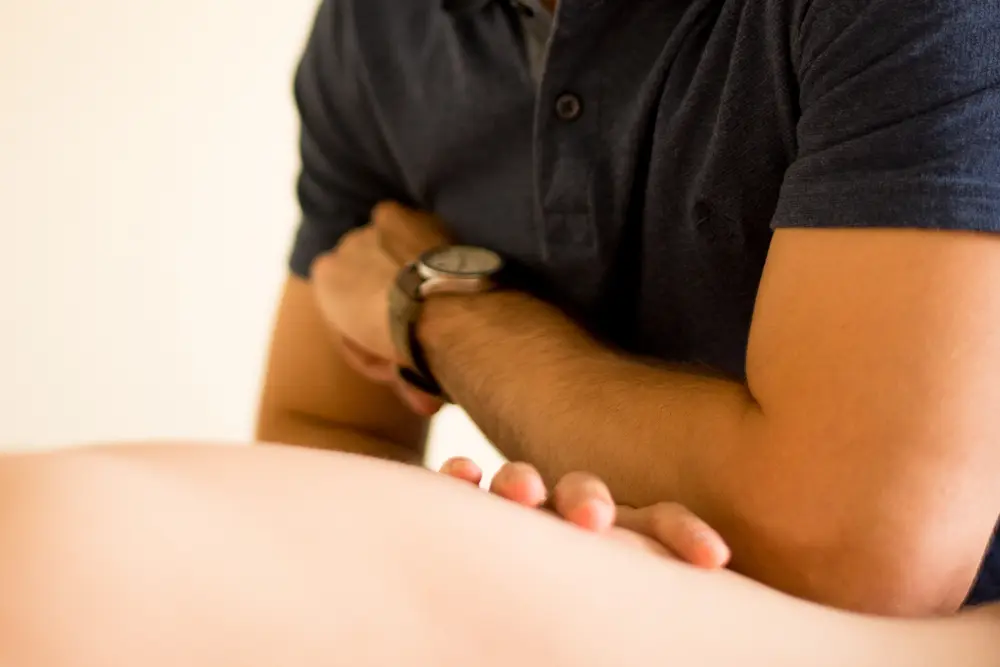
Key Differences: Goals, Techniques, Settings, and Insurance
Goals and approach
Medical massage aims to restore function, reduce pain signaling, and support rehabilitation, using objective measures like range of motion tests and pain scales to track progress. Traditional massage prioritizes comfort, atmosphere, and sensory experience, guided by subjective feedback. Medical sessions often include pre- and post-treatment assessments; traditional sessions protect uninterrupted relaxation.
Settings, prescriptions, and insurance
Medical massage is commonly offered in clinical settings where documentation and coordination with referring clinicians support medical necessity. Some plans require a physician referral or documented clinical notes to reimburse it. Traditional massage usually takes place in spas or wellness centers and is generally self-pay. Coverage for medical massage is possible within a documented treatment plan, but policies differ, so verify your benefits before booking. Our team helps with insurance paperwork and authorization.
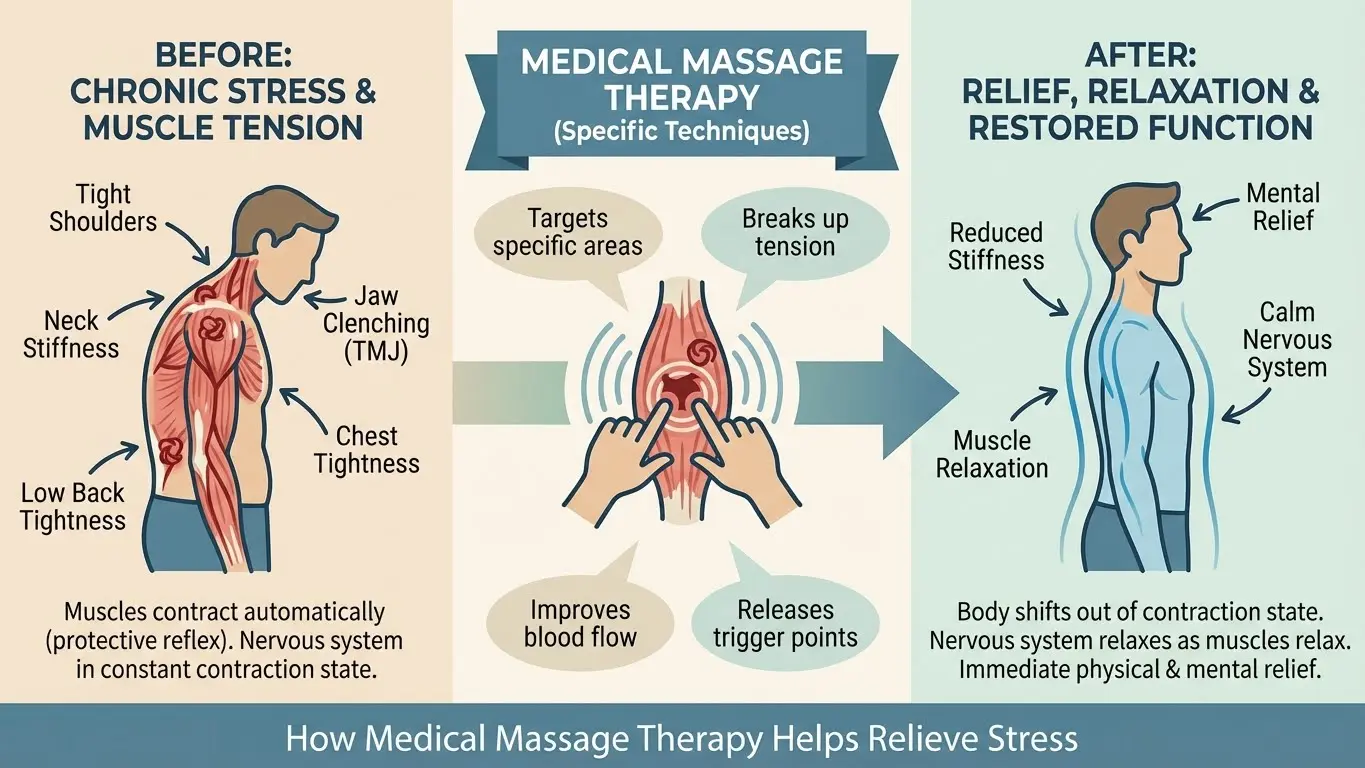
How Medical Massage Helps Chronic Back, Neck, and Joint Pain
For chronic back, neck, and joint pain, medical massage targets the persistent muscle guarding, trigger points, and connective tissue restrictions that sustain pain and limit movement. By reducing chronic hypertonicity, supporting local blood flow, and helping the nervous system perceive pain differently, it may lower pain scores and improve range of motion, especially combined with exercise and ergonomic changes. Expect gradual improvement across multiple visits rather than a single fix.
The evidence: real but modest, best inside a broader plan
Systematic reviews find that massage therapy provides meaningful pain relief compared with sham or no treatment, which supports its use as part of multimodal care. The National Center for Complementary and Integrative Health adds the honest caveats: evidence suggests massage may help some pain conditions like low back pain and chronic neck pain, but in many cases the evidence is not strong and benefits may be short term. That matches our clinical experience: medical massage earns its place inside a coordinated plan with movement, home care, and sometimes acupuncture or dry needling, not as a standalone cure.
Medical Massage in Post-Surgical Recovery
After surgery, medical massage may support recovery by addressing scar adhesions, reducing stiffness around the incision area, and restoring soft tissue glide to recover mobility. Early work focuses on gentle swelling control; later stages emphasize scar mobilization and myofascial release. Timing and technique must match healing stages, so this work is always coordinated with your surgeon and rehab team. If you are post-surgical, bring your discharge instructions to your assessment.
When to Choose Medical Massage Instead of Traditional
Choose medical massage when pain is persistent, progressive, or limits function: a diagnosed musculoskeletal issue, post-surgical stiffness, recurring referral pain, restricted range of motion, or pain unresponsive to general relaxation. Choose traditional massage for wellness maintenance, stress management, and mild, stable tightness with no underlying structural condition. And watch for red flags, unexplained weight loss, signs of infection, or rapidly worsening neurological symptoms, which need medical evaluation before any manual therapy. Not sure which camp you fall in? Compare with dry needling vs. massage therapy for another decision lens.
How Messina Acupuncture Integrates Medical Massage With Other Therapies
At Messina Acupuncture PC we combine medical massage with acupuncture, acupressure, and dry needling in individualized plans. A typical sequence might begin with acupuncture to calm sensitized pain processing, continue with targeted medical massage to mobilize restricted tissues, and include dry needling on persistent trigger points. Acupressure is often taught as a home-care tool to maintain gains. Plans are reviewed on a structured schedule and adjusted based on objective progress toward your goals.
What to Expect at Messina Acupuncture
Assessment and first session (60 to 75 minutes)
We take your history, test movement, and palpate the involved tissues to identify the structures driving your symptoms. You will leave with a clear plan: medical massage, a combination approach, or a referral if another specialty fits better.
Follow-up sessions (30 to 45 minutes)
Clinical plans typically run 4 to 6 visits with documented goals. Sessions may integrate acupuncture, acupressure, and dry needling, sequenced to your response, plus home strategies for posture and movement.
After each visit
Mild soreness for a day or two is normal after targeted work. Hydration, gentle movement, and heat help. We review progress at set intervals and adjust the plan based on measurable gains.
Licensed and coordinated care. Medical massage at our clinic is provided within a clinical framework: assessment, documentation, and coordination with your physician, surgeon, or physical therapist when relevant. We assist with insurance authorization and will tell you directly if your case needs a different specialty first. See the New York State Office of the Professions for acupuncture licensing information.
Unexplained weight loss, fever or signs of infection, severe pain after trauma, rapidly worsening numbness or weakness, or loss of bladder or bowel control all need prompt medical evaluation before massage of any kind. If you take blood thinners, have a bleeding disorder, or have had recent surgery, tell your clinician so techniques can be adapted. Massage should never delay diagnosis of a serious condition.
Frequently Asked Questions
What should I expect during a medical massage session?
Expect a focused assessment first: history, symptom discussion, and targeted palpation. Treatment uses techniques chosen for your needs, such as deep tissue work, trigger point release, or myofascial mobilization. Sessions commonly run 30 to 90 minutes, and findings are documented to guide follow-up care.
Can medical massage be covered by insurance?
Possibly. Coverage depends on your plan and medical necessity, and many insurers require a physician referral or documented treatment notes. Verify benefits with your provider; our team often assists with the paperwork. Call (631) 403-0504 and we will check for you.
How often should I receive medical massage for chronic pain?
Early in care, weekly sessions are common. As you improve, visits often space to every two weeks or monthly. Your clinician will recommend a schedule tailored to your progress.
Are there risks with medical massage?
Medical massage is generally safe, but some people notice temporary soreness or a short-term symptom increase. Certain conditions or recent surgeries change what is appropriate, so always share your health history, medications, and recent procedures with your therapist.
How does medical massage differ from physical therapy?
Both aim to reduce pain and restore function. Medical massage concentrates on manual treatment of soft tissue dysfunction and pain modulation, while physical therapy typically combines manual therapy with structured exercise and movement retraining. They are complementary, and your clinician can help determine the right mix.
Can I combine medical massage with acupuncture or dry needling?
Yes. Combining medical massage with acupuncture, dry needling, and exercise often yields better results than any single modality. At Messina Acupuncture PC we build coordinated plans around your goals; discuss them with our team at your assessment.
Is Medical Massage Right for You?
If pain keeps returning, movement feels limited, or relaxation-only massage has not solved the problem, a clinical assessment is the next step. We will identify what is driving your symptoms and build a targeted plan, or tell you honestly if another specialty fits better.
Messina Acupuncture PC
100 N Country Road, East Setauket, NY 11733