
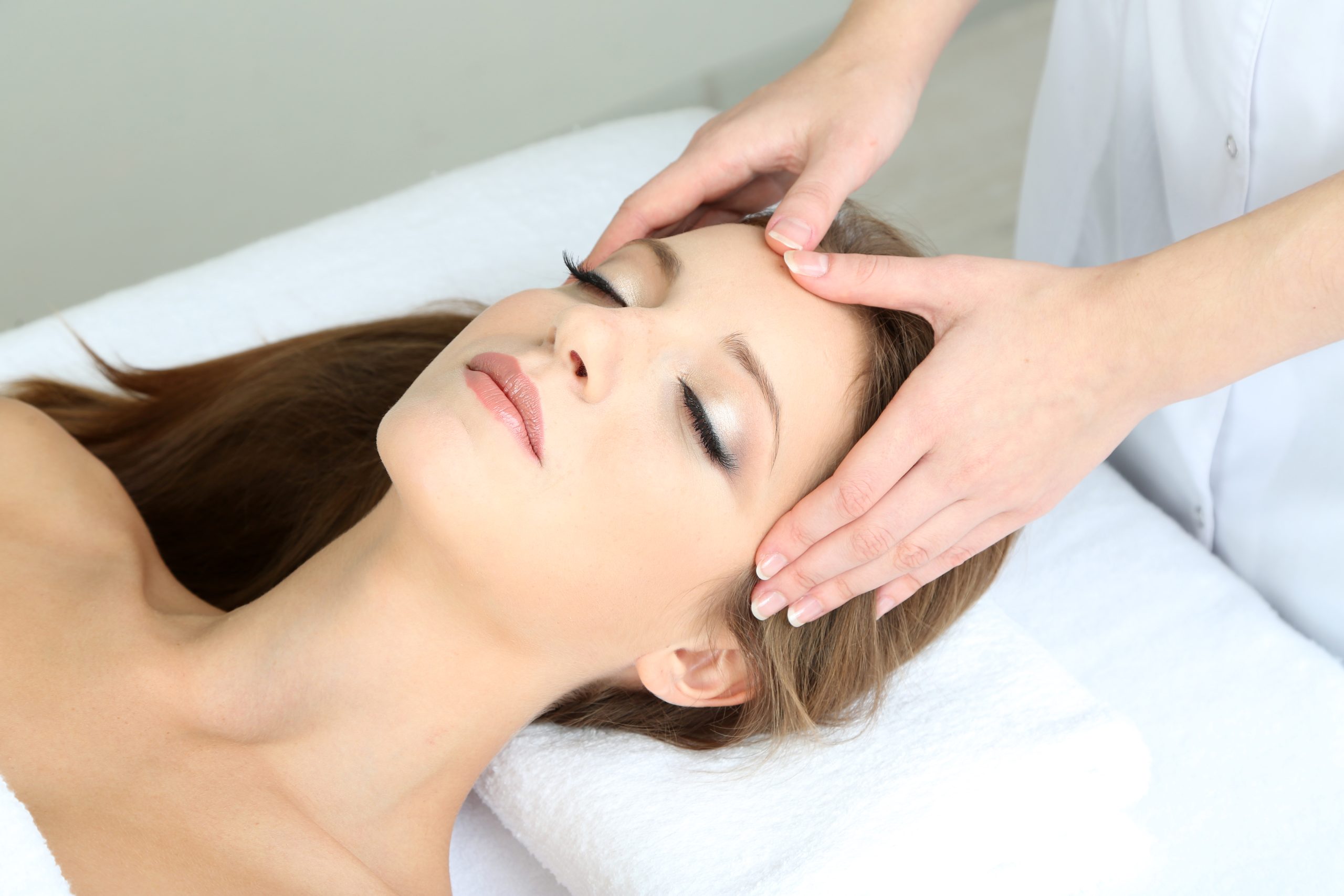
Acupressure · Wellness · East Setauket, NY
Acupressure applies the point system of acupuncture without needles: firm finger pressure instead of fine filaments. People try it for pain, stress, sleep, and more. Here are the seven most talked-about benefits, what practitioners aim for with each, and an honest look at where the evidence stands.
The patient who asks about acupressure is often someone who wants the benefits of point-based therapy without needles: a parent who is curious but needle-shy, a professional who wants a self-care routine for the office, someone managing everyday tension who prefers the gentlest option first. We hear all three every week in Setauket, and acupressure gives us an answer for each of them.
At Messina Acupuncture in East Setauket, acupressure is both an in-office treatment and a skill we teach. Below are the seven benefits people ask about most, described the way we describe them in the clinic: with the tradition, the plausible mechanism, and the evidence caveats all on the table.
- Needle-free: acupressure uses the same point map as acupuncture but with manual pressure, so it can also be learned for self-care
- Common uses: pain, stress, sleep, digestive comfort, mood, skin, and general energy are the seven benefits discussed below
- Evidence varies widely: some uses have plausible mechanisms and patient experience behind them; others rest on tradition with little trial data
- Best as a complement: acupressure supports wellness and comfort; it is not a treatment for disease, depression, or immune disorders
- Learn it properly: a qualified practitioner can teach correct point location and pressure, which makes self-care far more effective
1. Natural Pain Relief
Pain relief is the most established traditional use of acupressure. Pressing points associated with tense or painful areas may ease muscular aches, tension headaches, and everyday soreness for some people, possibly by calming local muscle tension and engaging the body’s own pain-modulating responses. It is best viewed as a comfort measure for musculoskeletal pain, not as a treatment for the underlying causes of chronic pain conditions, which need proper diagnosis.
2. Stress Reduction and Relaxation
This is the benefit patients report most consistently. Slow, deliberate pressure combined with focused breathing activates the body’s calming responses, and many people feel measurably more relaxed after a session. Regular practice may help with the perceived stress of a demanding week. Framing matters: acupressure supports relaxation; claims about lowering cortisol come from small studies and should not be overstated.
3. Enhancing Sleep Quality
A calming acupressure routine before bed may help some people wind down, particularly when racing thoughts or physical tension delay sleep. Points traditionally associated with calm are often included in bedtime routines. The evidence here is limited: acupressure may support the relaxation that precedes sleep, but it is not an insomnia treatment, and persistent sleep problems deserve medical evaluation.
4. Boosting Digestive Comfort
Points on the abdomen, legs, and wrists are traditionally used for bloating, sluggish digestion, and nausea. Some people find gentle abdominal pressure comforting after heavy meals. The honest framing: digestive symptoms have many causes, from diet to medical conditions, and persistent issues like ongoing bloating or constipation should be evaluated by a physician rather than managed with pressure points alone.
5. Elevating Mood
Relaxation tends to lift mood, and a calming acupressure session can leave people feeling brighter. That is a real and pleasant effect. What acupressure is not: a treatment for depression or anxiety disorders. Mood disorders are medical conditions that deserve professional care, and positioning pressure points as an alternative would be irresponsible. We present this benefit strictly as the mood lift that comes with deep relaxation.
6. Improving the Skin’s Appearance
Facial acupressure is sometimes credited with improving circulation to the skin and promoting a rested appearance. Relaxation itself shows on the face: less tension, better rest, and reduced stress all affect how skin looks. Claims about detoxification or clearing acne through pressure points go beyond what evidence supports, so we keep this benefit to what is plausible: the visible effects of relaxation and improved local circulation.
7. Enhancing Energy and General Wellness
People often describe feeling more energized after acupressure, likely because releasing tension and calming the nervous system removes the drain of chronic bracing. Traditional claims go further, suggesting effects on immunity such as increased white blood cell production, but there is no strong evidence that acupressure meaningfully changes immune function. We frame this benefit as it is experienced: a restored sense of vitality that comes from deep relaxation, not an immune treatment.
Acupressure vs. Other Healing Techniques
It helps to place acupressure among its neighbors. Acupuncture uses the same point system with needles, generally providing deeper stimulation; many patients use both. Dry needling targets myofascial trigger points anatomically rather than through the meridian system, making it a different tool for muscular pain. Massage works the soft tissue broadly, and combining massage-like touch with point pressure can be particularly relaxing. None of these replaces medical care for diagnosed conditions; they are complementary approaches chosen for comfort, function, and stress relief.
What to Expect at Messina Acupuncture
A conversation about your goals
We discuss what you hope acupressure will help with and give you an honest assessment of whether it fits, including when a different approach would serve you better.
Hands-on treatment and teaching
Your session includes practitioner-applied acupressure, and we teach you the points relevant to your goals so you can continue at home.
A self-care routine to take with you
You leave with a short, specific routine: which points, how long, how often. The skill is the real takeaway.
Frequently Asked Questions
What is the difference between acupressure and acupuncture?
Both use the same traditional point system. Acupuncture uses fine needles placed by a licensed practitioner for deeper stimulation; acupressure uses finger pressure, which is gentler and can be learned for self-care. Many patients use both.
Does acupressure hurt?
It should not. Correct pressure feels like a firm, satisfying ache at the point, sometimes called a ‘good hurt.’ Sharp pain means too much pressure. A practitioner can calibrate the right level for you.
How many sessions are usually needed?
For learning self-care, one or two teaching sessions are often enough. For practitioner-applied treatment of an ongoing issue, a short series is typical, reassessed as you go.
Can I do acupressure on myself effectively?
Yes, for many common uses. Point location and pressure take a little coaching, which is why we teach them in person. A short daily routine is more useful than an occasional long one.
Is acupressure safe during pregnancy?
Gentle acupressure is generally considered low risk, but certain points, notably LI4, are traditionally contraindicated in pregnancy. Discuss your situation with your practitioner and your obstetric provider.
What conditions is acupressure used for?
Most commonly for muscular pain, tension headaches, stress, and nausea, as a complement to other care. Evidence is strongest for comfort and relaxation uses; it is not a treatment for disease.
Curious About Needle-Free Relief?
If you want the benefits of point-based therapy without needles, acupressure is a gentle place to start. Book a visit and learn the routine from our East Setauket practitioners.
Messina Acupuncture PC
100 N Country Road, East Setauket, NY 11733