
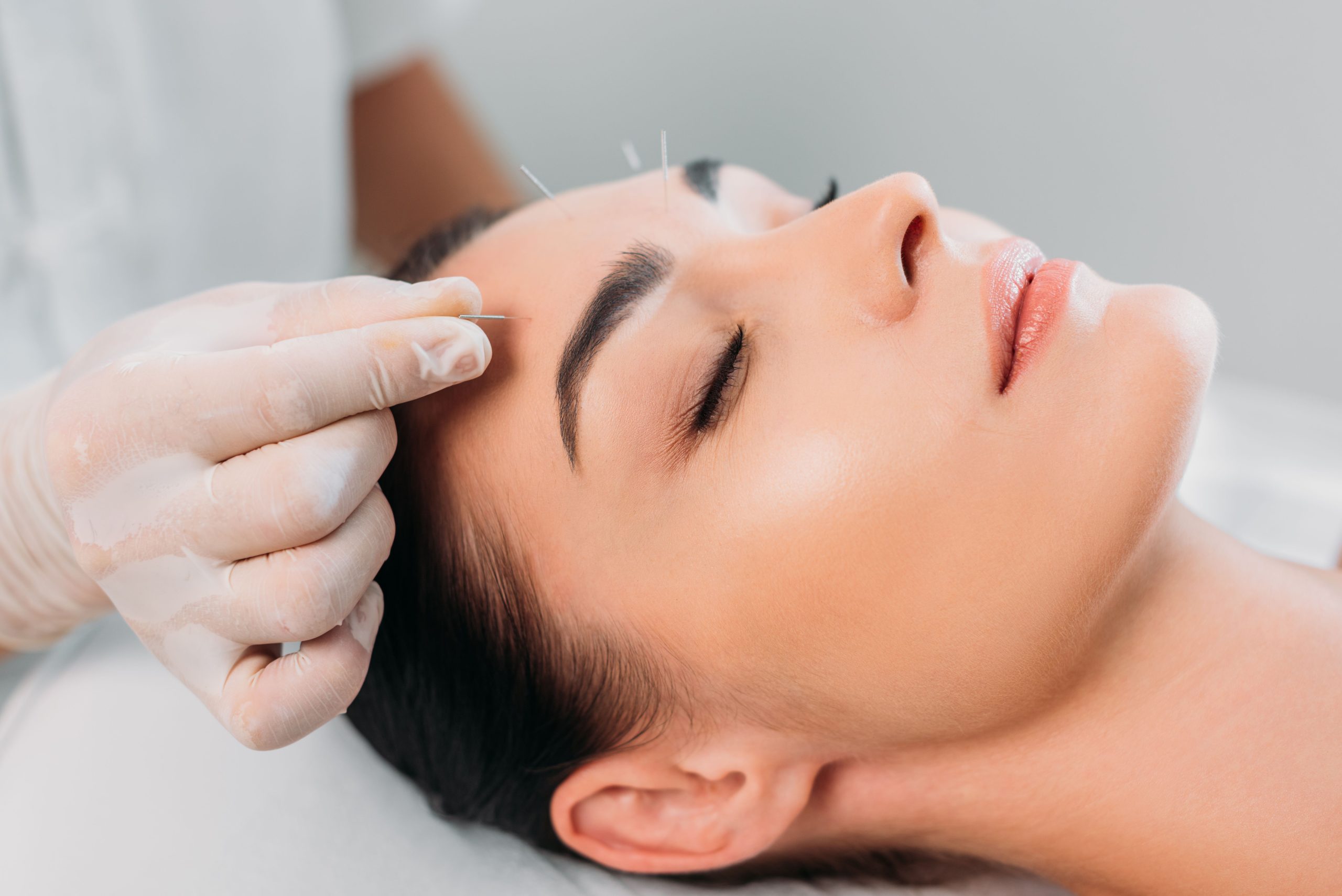
Migraines and chronic headaches send more Long Islanders to urgent care than almost any other pain condition, and many patients are frustrated with medications that either do not work well enough or come with side effects. This guide answers the question in the title directly: what the Cochrane review found, how acupuncture is thought to work for head pain, and what to expect at Messina Acupuncture in East Setauket.
She had her migraines timed to the minute: aura at hour one, the pounding by hour two, the nausea that made her cancel the afternoon. Triptans helped sometimes but left her foggy, and the preventive medication her neurologist prescribed made her too tired to function. A friend suggested acupuncture, and her first question was the one everyone asks: do they really help?
Here is the direct answer. A Cochrane systematic review of 22 trials and 4,985 participants found that acupuncture reduced migraine frequency compared with no acupuncture, with a small effect over sham and effects comparable to prophylactic drugs. That is a real, modest effect, not a miracle. At Messina Acupuncture in Setauket, we treat migraines, tension-type headaches, and cluster headaches with individualized plans, and we will tell you which category your headaches fall into before we begin.
Key Takeaways
- What the research says: the Cochrane review found acupuncture reduced migraine frequency versus no acupuncture, with a small effect over sham and no serious adverse effects reported. Effects were comparable to prophylactic drugs in the few direct comparisons.
- Not all headaches are the same: migraine, tension-type headache, and cluster headache have different mechanisms. Acupuncture protocols differ for each, and cluster headache responds least reliably.
- How it may work: needling is thought to modulate pain signaling through endorphin and serotonin pathways, reduce muscle tension in the neck and scalp, and regulate vascular and nervous system activity.
- Typical course: most plans run 6 to 12 sessions over 8 to 12 weeks. Acute migraine treatment during an attack is possible for some patients, but prevention is where the evidence is strongest.
- Safety: acupuncture is a reasonable option for migraine prevention with a favorable safety profile, but sudden severe headache (thunderclap), new neurological symptoms, or headache after head injury needs emergency care, not acupuncture.
How Acupuncture Works for Migraines and Headaches
The mechanism is not fully settled, which is worth saying plainly. The leading explanations: acupuncture stimulates the release of endorphins and other neurochemicals that modulate pain, influences serotonin pathways involved in migraine generation, reduces the cervical and pericranial muscle tension that drives tension-type headaches, and helps regulate the autonomic and vascular responses implicated in migraine. Practitioners commonly use points such as GB20 at the base of the skull, LI4 on the hand, and LV3 on the foot, selected according to your headache pattern and TCM diagnosis.
Migraine, Tension Headache, and Cluster Headache Are Different
Migraine involves throbbing pain, often one-sided, with nausea and sensitivity to light and sound, sometimes preceded by aura. Tension-type headaches feel like a band around the head, driven by muscle tension and stress, and are the most common type we see. Cluster headaches are brief, excruciating, one-sided attacks around the eye that occur in bouts; acupuncture has the least evidence for these, and we say so at intake. Getting the diagnosis right determines the protocol, which is why new or changed headache patterns warrant a medical evaluation first.
The Treatment Process
Your first visit includes a detailed headache history: frequency, triggers, aura, medications, and what has helped or failed. Sessions last 30 to 45 minutes, with needles retained while you rest. For prevention, plans typically run 6 to 12 sessions over 8 to 12 weeks. Some patients also come during an acute attack and find the session eases it, though the evidence base is strongest for prevention. We track headache frequency, intensity, and medication use with a diary so both of us can see what is changing.
Tailoring and Combining With Conventional Treatment
Acupuncture does not require you to abandon your current treatment. Many patients continue their abortive medications while adding acupuncture for prevention, and some reduce medication frequency over time with their neurologist’s guidance. Never change a prescription without your prescriber. We coordinate with neurologists and primary care providers across Long Island, because the best headache care is usually team care.
Evidence Note: fewer migraines than no treatment, modest edge over sham
The key synthesis is Linde et al. (Cochrane Database of Systematic Reviews, 2016: 22 trials, 4,985 participants). Compared with no acupuncture or routine care, acupuncture reduced migraine frequency. Compared with sham acupuncture, there was a small but statistically significant effect. In the few trials comparing acupuncture directly with prophylactic drugs, effects were comparable, with no serious adverse events reported. Limitations: effects are modest, and few studies followed patients beyond one year, so long-term durability is uncertain. The NCCIH describes acupuncture as a reasonable option for migraine prevention. Our take: a worthwhile preventive option with low risk, especially for patients who tolerate medications poorly, but not a cure.
Your First Visits, Step by Step
Assessment and first treatment (60 to 75 minutes)
We take a detailed headache history: frequency, triggers, aura, medications, and prior treatments. If your headache pattern is new or changed, we will ask about your medical workup first. Treatment begins the same day when appropriate.
Follow-up sessions (30 to 45 minutes)
Prevention plans typically run 6 to 12 sessions over 8 to 12 weeks. We track headache frequency, intensity, and medication use in a diary so progress is measurable, not anecdotal.
After each visit
Most patients feel relaxed after sessions. Some notice a mild headache the first time, which usually settles quickly. Continue your prescribed medications unless your neurologist advises otherwise.
Why Choose Licensed Care
Licensed and coordinated care. Before booking acupuncture anywhere, confirm three things: the practitioner is licensed in New York State, they use sterile single-use needles, and they will communicate with your neurologist or primary care provider. Messina Acupuncture meets all three, and we coordinate with providers across Long Island.
Some headaches signal emergencies. Go to urgent care or the emergency department for a sudden severe headache that peaks within seconds (thunderclap), new weakness, vision loss, slurred speech, or confusion, headache with fever and stiff neck, headache after head injury, or a headache pattern that is new, different, or steadily worsening, especially after age 50. Acupuncture is for diagnosed, stable headache disorders, not for evaluating new neurological symptoms.
Frequently Asked Questions
Do acupuncture treatments really help migraines?
The Cochrane review of 22 trials and 4,985 participants found acupuncture reduced migraine frequency versus no acupuncture, with a small effect over sham and effects comparable to prophylactic drugs. It is a reasonable preventive option, not a cure.
How many sessions will I need?
Most prevention plans run 6 to 12 sessions over 8 to 12 weeks. We track headache frequency, intensity, and medication use in a diary and reassess along the way.
Can acupuncture help tension headaches too?
Yes. Tension-type headaches, often driven by cervical and pericranial muscle tension, are among the most responsive types we see. The protocol differs from the migraine protocol.
Should I keep taking my migraine medication?
Yes. Continue your prescribed medications and never change a prescription without your prescriber. Many patients continue abortive medications while using acupuncture for prevention.
Is acupuncture painful?
Most patients describe a brief pinch or dull ache at the point, then deep relaxation. Tell us if you are needle-sensitive and we will adjust the approach.
Does insurance cover acupuncture for migraines in New York?
Some commercial plans cover acupuncture for chronic pain conditions including migraines. Medicare currently covers acupuncture only for chronic low back pain. Call our front desk at 631-403-0504 and we will verify your benefits before your first visit.
Ready to Try a Different Approach to Head Pain?
If migraines or chronic headaches are costing you afternoons, weekends, and peace of mind, a preventive plan may be worth an honest conversation. We will assess your headache type, review what has worked and what has not, and tell you plainly whether acupuncture fits. Call to schedule your initial evaluation.
Messina Acupuncture PC
100 N Country Road, East Setauket, NY 11733